SIXTH SUNDAY OF EASTER – MOTHER’S DAY
ACTS 8:5–8, 14–17; 1 PETER 3:15–18; JOHN 14:15–21
“I WILL NOT LEAVE YOU ORPHANS”
Brothers and sisters, Today, as we celebrate Mother’s Day together with the Sixth Sunday of Easter, the words of Jesus in the Gospel touch us deeply: “I will not leave you orphans.” These words speak directly to one of the deepest human fears: being abandoned, forgotten, or left alone. Many people today carry that hidden pain: elderly people forgotten, young people struggling with anxiety, families divided, immigrants missing loved ones far away, people surrounded by crowds in Queens yet feeling isolated internally. Jesus speaks into that loneliness: “I will not leave you orphaned.” That is the heart of today’s Gospel.
Christianity Is About Relationship
Jesus says: “If you love me, you will keep my commandments.” Notice, he does not say, “If you fear me.” He says, “If you love me.” For Jesus, faith is not slavery or external rule-keeping. Christianity is first about relationship and communion with God. Many people think commandments are restrictions, but God’s commandments are pathways to life. A musician follows discipline to create harmony; an athlete follows discipline to gain strength. In the same way, when we live according to Christ’s word, the soul enters harmony with God. St. Augustine once said, “Love God and do what you will.” When we truly love God, our hearts begin to change. The tragedy of modern life is that many seek freedom without truth. We have more communication but less communion, more entertainment but less peace. Jesus teaches that true freedom comes from living in loving alignment with God.
The Holy Spirit Is God Beside Us
Jesus promises: “The Father will give you another Advocate.” The word Advocate means comforter, counsellor, helper, defender; one who stands beside another. Jesus knew the disciples would face fear and confusion, so He promised not only teachings but His continuing presence through the Holy Spirit. The Holy Spirit is not an abstract force. The Holy Spirit is God dwelling within us. That is why in the Acts of the Apostles, when the Samaritans received the Holy Spirit, there was “great joy” in the city. Christianity is not merely accepting ideas about Christ; it is allowing the Spirit to transform our lives. Without the Spirit, religion becomes dry ritual, prayer becomes routine, and morality becomes a burden. But where the Spirit is welcomed, fear becomes courage, division becomes communion, sorrow becomes joy.
Mothers Reflect the Presence of God
Today, we also thank God for mothers, whose love often reflects God's faithful and comforting presence. Mother’s Day itself began through the efforts of Ann Jarvis-Reeves, a Methodist woman from West Virginia who suffered the loss of many children in early childhood. Out of that suffering, she worked to improve sanitation and healthcare for mothers and children, and she founded Mother’s Day Work Clubs to support struggling families. Her daughter Anna later campaigned for a national Mother’s Day to honour the sacrifice and care of ordinary mothers. Behind this celebration is not simply flowers or cards, but gratitude for sacrificial love. Many mothers quietly live the spirit of today’s Gospel: staying beside their children in difficult times, sacrificing without recognition, carrying burdens silently, loving even when exhausted. St. Thérèse of Lisieux once said: “The loveliest masterpiece of the heart of God is the heart of a mother.”
The World Needs Christians Who Radiate Hope
St. Peter says today: “Always be ready to give a reason for your hope.” Notice that Peter says hope. The early Christians changed the world not because they were powerful, but because they radiated hope even during suffering. They forgave enemies, cared for the sick, and faced difficulties with peace. The world still asks the same question today: “What gives you hope?” When Christians live with bitterness, anger, and despair, the Gospel loses credibility. But when believers radiate peace, compassion, and hope even in difficulty, they become witnesses of the Holy Spirit.
We Must Make Space for God
Jesus says: “The world cannot receive the Spirit because it neither sees him nor knows him.” The modern world is full of noise and distraction. We are constantly busy, constantly connected, yet spiritually exhausted. A lake reflects the sky only when its waters are still. Likewise, the soul perceives God in silence. That is why prayer is essential. Prayer is not informing God about our needs; it is creating space for His presence. Many ask: “Why don’t I experience God?” But perhaps the deeper question is: “Have I made room for Him?” Even in the busy life of Queens, Christians must protect moments of silence, prayer, Scripture, and worship.
Conclusion
Today, Jesus assures us: “I will not leave you orphans.” He continues to guide and strengthen us through the Holy Spirit. And today we thank God for all mothers, especially those who continue to love, sacrifice, and pray quietly for their families. We remember also Mother Mary, who stood faithfully beside Jesus at the Cross and continues to accompany the Church as our spiritual mother. May the Holy Spirit help us not only to know about Christ, but to live in communion with Him truly. Amen.
FIFTH SUNDAY OF EASTER
Readings: Acts 6:1-7; 1 Peter 2:4-9; John 14: 1-12
“JESUS THE WAY: FROM TROUBLED HEARTS TO A LIVING HOME”
Life can often feel like a whirlwind of uncertainty and confusion, much like the moment captured in today’s Gospel. The disciples find themselves in a state of turmoil, grappling with the reality that Jesus is about to depart. Their hearts are heavy with questions about the future. It’s in this moment of vulnerability that Jesus offers a gentle yet firm reassurance: “Do not let your hearts be troubled. Believe in God; believe also in me.” [John 14:1]. Before we delve deeper, let’s take a moment for introspection: What troubles my heart today? What fears or burdens am I carrying into this moment? Jesus acknowledges these realities; He doesn’t shy away from our struggles but speaks directly into them.
From Troubled Hearts to Trust: A Call to Action
Jesus isn’t asking the disciples to put on a brave face and pretend everything's okay. Instead, He invites them—and us—to embrace a profound trust. In Scripture, the heart represents the core of our being, encompassing our thoughts, choices, and identities. When Jesus speaks to the heart, He addresses our entire selves. In our search for understanding, we often realise that what we truly need isn’t just explanations but a steadfast presence we can rely on. St. Augustine poignantly captures this: “Our hearts are restless until they rest in You.” However, this trust isn’t a passive act; it compels us to action. Jesus continues, “Whoever believes in me will do the works that I do.” [John 14:12]. Here, faith in Jesus doesn’t merely soothe our troubled hearts; it propels us into a life of purpose and mission. He entrusts us with His work, transforming our doubts into opportunities for action.
Navigating the Human Search: Jesus’ Response
Thomas articulates a question that resonates with many of us: “Lord, we do not know where you are going. How can we know the way?” [John 14:5]. We might phrase it differently: What path should I take? Where is my life headed? Jesus’ response is simple yet profoundly transformative: “I am the way and the truth and the life.” [John 14:6]. He doesn’t provide a roadmap; instead, He offers Himself:
- “I am the Way”: It’s not about adhering to a set of rules; it’s about cultivating a relationship. St. Augustine wisely advises, “Walk by the man, and you will arrive at God.”
- “I am the Truth”: This isn’t merely a collection of facts but the ultimate meaning of life unveiled. St. Thomas Aquinas reminds us that “Truth is not only spoken, but it is also lived.”
- “I am the Life”: This is not simply about existing; it’s about participating in God’s divine life. As St. Irenaeus beautifully puts it: “The glory of God is man fully alive.”
A Home with Many Rooms
Jesus assures us, “In my Father’s house, there are many dwelling places.” [John 14:2]. This statement speaks deeply to our innate desire for belonging—a yearning to come home to God. Yet, this “house” isn’t just a distant promise; it begins here and now, within the vibrant life of the Church. As we reflect on these truths, let us embrace the call to trust, to act, and to find our home in the love of God and community.
The Way Becomes a Community (Acts 6)
In the dynamic narrative of the Acts of the Apostles, we witness a powerful transformation that occurs when faith in Jesus translates into tangible action. A genuine issue emerges: the Hellenist widows find themselves overlooked. Even within a Spirit-filled community, human struggle and disparities can surface. The early Church, though not without its flaws, proved to be responsive and adaptive. The Apostles take a pivotal step; they listen to the concerns raised and involve the entire community in the solution. By appointing seven men, many of whom carry Greek names, they respond to the very voices of those who felt marginalised. This act not only restores dignity to the overlooked but also fosters greater harmony within the community. Here’s the important takeaway: challenges within the Church aren't markers of failure; they can become springboards for growth, catalysing new ministries, such as the diaconate. This creates a structured approach to service and organised charity, ultimately strengthening unity. As St. John Chrysostom remarked, “The Church is not a place of spectators, but a place of service.”
Living Stones in God’s House (1 Peter 2)
St. Peter beautifully invites us to become “living stones” in a spiritual house [1 Peter 2:5]. We are not mere visitors; we are integral to the very structure of this community. Each of us possesses a unique place and purpose.
Many Rooms—Are Some Still Empty?
If the Church is truly God’s house, we must ask ourselves: Are there needs in our parish that are going unmet? Are there ministries longing for someone to step in and fill the gap? Are there individuals feeling invisible or unheard? In a vibrant community like Our Lady of Light, many “rooms” exist, yet not all are occupied.
From Visitor to Living Stone
It’s all too easy to slip in and out of Mass as a mere visitor. However, Jesus beckons us to belong. Following Him entails participation and investment in our community. St. Gregory the Great wisely teaches that “the proof of love is seen in the works.” Each of us is invited to contribute, no matter how small our offering may seem.
The Way of the Cross Leads Home
The pathway of Jesus often calls for self-sacrifice and giving of ourselves. It may not always be easy, but this journey is the ultimate route to genuine life. In a place like Queens, this could mean reaching out to someone who feels forgotten, dedicating time or talent to a cause, or choosing connection over isolation.
A Call to Our Parish Family
Today’s message resonates with clarity: Jesus walks with us through our struggles and invites us to trust; that trust urges us to take action and share responsibilities. The Church becomes a vibrant, living home where everyone belongs. So, let’s reflect on these questions: Am I bringing my struggles to Jesus or carrying them on my own? Am I merely attending, or am I actively helping to build our community? Is there a “room” within this parish that God is prompting me to fill?
“You are a chosen race, a royal priesthood…that you may proclaim the mighty acts of Him who called you out of darkness into His wonderful light.” [1 Peter 2:9]
May we transition from troubled hearts to trusting faith, from passive presence to dedicated service, and from being mere visitors to becoming living stones. In doing so, let’s work together to make our parish a true home where God dwells and where every individual can find their way to the Father.
GOOD SHEPHERD-VOCATION SUNDAY [4TH SUNDAY OF EASTER]
“ENTER THROUGH THE GATE”
Hearing the voice of Christ and choosing the life that leads to fire.
Gospel-John 10:1-10
Brothers and sisters, in today’s Gospel, Jesus presents a message that is both simple and demanding: “I am the gate. Whoever enters through me will be saved, and will come in and go out and find pasture.” [John 10:9] In a bustling city like New York, filled with movement, choices, and competing voices, this imagery resonates deeply. Every day, we encounter various gates: career decisions, relationships, personal identity, and our direction in life. Therefore, before anything else, we must ask ourselves two important questions: What am I doing with my life? Which gate am I truly choosing?
The Gate is the Shepherd
Here is the first truth: The Shepherd does not merely point to the gate; He becomes the gate Himself. In ancient times, a shepherd would lie across the entrance of the sheepfold at night, making his own body the gate. When Jesus says, “I am the gate,” He is conveying several important messages: 👉 Your life must pass through Me. 👉 Your safety rests in Me. 👉 Your future is secure in Me. This is not just advice; it is an invitation to trust your whole life to Him.
Vocation-Not Just a Choice, but a Door
On this Vocation Sunday, we often ask, “What should I do with my life?” However, Jesus reframes this question by saying, “I am the gate.” Our vocation is not primarily about what we do; it is about who we enter through. Entering through Christ means bringing our desires into prayer, allowing the Gospel to shape our decisions, choosing truth over comfort, and trusting that God knows us better than we know ourselves. Jesus states, “I know my own, and my own know me” [John 10:14].
St. Augustine provides us with a bold and liberating insight: “Love God, and do what you will.” This does not imply that anything goes. Rather, it signifies that if we truly enter through Christ and genuinely love Him, our desires will begin to align with His. Consequently, our vocation transforms from a burden into a path of freedom.
The Gate in the Midst of Many Voices
Now we understand the challenge. In New York, there are many other "gates": the pursuit of success at all costs, money as a source of security, endless options without commitment, and defining oneself without embracing truth. Jesus warns us, saying, “The thief comes only to steal and kill and destroy; I came that they may have life” [John 10:10]. Not every door leads to life. Some scatter us, some exhaust us, and some leave us feeling restless. This restlessness is not random. As St. Augustine said, “Our hearts are restless until they rest in You.” That nagging feeling that something is missing— even when life appears fine— is often the Shepherd calling you back to the right gate.
A Word to Young People: Dare to Enter
To the young people here: New York encourages you to keep every option open, but Jesus invites you to choose a path that leads to life. St. Catherine of Siena said, “Be who God meant you to be, and you will set the world on fire.” However, you cannot ignite that fire if you remain stuck in the hallway of endless options. At some point, you must: stop comparing, stop delaying, and stop listening to every voice around you. Instead, ask yourself: “Where is Christ inviting me to step through?” The deep desire within you, which brings peace, clarity, and quiet strength, may very well be the voice of the Shepherd.
Yes, it takes courage. Entering the gate requires commitment, trust, and surrender, but Jesus promises: “…they will come in and go out and find pasture.” This is not about restriction but about finding true freedom; it is not about loss but about embracing a full life.
A Word to Parents: Guard the Gate, Don’t Block It
And to parents: You want your children to succeed. To be secure. To be happy. But today, the Gospel invites you to something deeper: Help them recognise Christ as the gate. That means: encouraging prayer, not just performance; valuing vocation over status; being open, even if God’s plan surprises you. Because sometimes the hardest step is not the young person’s “yes”… but the parent’s trust in that “yes.” Jesus reminds us: “No one can take them out of my hand.” [John 10:28] Your child’s life is safest not in worldly success, but in God’s will.
Living as Sheep Who Enter Through the Gate
To all of us: Jesus does not say, “Admire the gate” or “Think about the gate.” He says, “Enter.” Living as His sheep means rejecting false voices, choosing truth even when it comes at a cost, making space for prayer in a noisy city, and trusting that God's way leads to life. In New York, this commitment stands out. A person who has entered through Christ experiences peace amid pressure and direction amid confusion.
In conclusion, brothers and sisters, in this city of endless doors, Jesus stands before us and declares, “I am the gate.” Not just one option among many, but the true way to life. So today, I urge you:
To young people: Dare to listen. Dare to choose. Dare to enter.
To parents: Trust the Shepherd’s voice in your children’s lives.
To all of us: Stop standing at the threshold.
Because on the other side of that gate lies the life you were made for. If you enter, if you trust, if you follow, then, like St. Catherine of Siena, you will not only find life, but you will also help ignite this city and the world. Amen.
DIVINE MERCY SUNDAY
Acts 2: 42-47; 1 Peter 1:3-9; John 20:19-31
“DIVINE MERCY: FROM LOCKED DOORS TO LIVING MERCY”
Opening Story: “When Doors Are Locked”
There is a story about a young man who made many mistakes in his life. Because of his failures, he stopped going to church. He felt ashamed, unworthy, and convinced that God wanted nothing to do with him. One day, after much inner struggle, he decided to return to the Church. However, when he reached the church, he did not go inside. He stood outside for a long time, thinking, “If I walk in, people will judge me. Maybe even God will reject me.” Finally, he entered and sat at the back, ready to leave at any moment. After Mass, an elderly priest approached him and said something simple yet powerful: “Son, God saw you long before you came in. He was the one who brought you here.” The young man later reflected, “I thought I had to open the door to God. I didn’t realise he had already opened the door to me.” This illustrates the essence of today’s Gospel.
Divine Mercy Enters Locked Doors
The Gospel begins with a powerful image: “The doors were locked where the disciples were, for fear…” [John 20:19]. The apostles were afraid: afraid of suffering and of the future, especially because they had failed Jesus. These locked doors not only represent physical barriers but also symbolise the locked places in the human heart: fear, guilt, shame, and doubt. The heart of Divine Mercy is that Jesus enters anyway. “Jesus came and stood among them, though the doors were locked.” Divine Mercy is this: God does not wait for us to open the door; He enters our brokenness to restore us. He does not accuse them or remind them of their failures; instead, He offers them peace: “Peace be with you.” This is mercy in action.
Divine Mercy as Re-Creation
After bringing peace, Jesus does something profound: “He breathed on them and said, ‘Receive the Holy Spirit’” [John 20:22]. This echoes the moment in Genesis when “the Lord God breathed into his nostrils the breath of life” [Genesis 2:7]. This act is not merely about forgiveness; it signifies re-creation. Divine Mercy not only pardons but also makes us new. Fear transforms into peace, sin into grace, and brokenness into mission. St. Augustine once said, “The first creation made us; the second restores us.” Divine Mercy is God recreating us, not as we were, but as we are meant to be.
Divine Mercy Revealed in the Resurrection
This is why St. John Paul II designated this Sunday as Divine Mercy Sunday. In the Resurrection, we see clearly that God’s mercy is stronger than sin and death. The first gift of the Risen Lord is not power; it is mercy: “Whose sins you forgive are forgiven them…” [John 20:23]. St. John Paul II taught, “Mercy is the second name of love.” Through St. Faustina, Jesus reminds us: “Mankind will not have peace until it turns to the source of My mercy.” Divine Mercy is not an abstract idea; it is the Risen Jesus standing among us, offering peace and forgiveness.
Divine Mercy Entrusted to the Church
Jesus then states, “As the Father has sent me, so I send you” [John 20:21], and, “Whose sins you forgive are forgiven them…” Divine Mercy is not meant to stop with us; it is meant to flow through us. This ties into “Whatever you bind on earth shall be bound in heaven” [Matthew 16:19]. The Church exists to continue what happened in that room: to enter people’s “locked doors” with mercy. The apostles received this mission, and St. Faustina reminds us not to forget it.
The Journey of Thomas: Divine Mercy Meets Doubt
Thomas grapples with his disbelief, stating, “Unless I see… I will not believe” [John 20:25]. What does Divine Mercy do in response? It returns for him. Jesus enters the locked room once more, meeting Thomas right where he is. He encourages, “Put your finger here… do not be unbelieving, but believe.” Divine Mercy does not reject doubt; it transforms it. Thomas then responds, “My Lord and my God!”
St. Anselm describes faith as “faith seeking understanding” [fides quaerens intellectum]. Even doubt can become a faith pathway when touched by mercy. As St. Gregory the Great noted, “The disbelief of Thomas has done more for our faith than the faith of the other disciples.” Divine Mercy encounters us in our questions and guides us toward faith.
The Early Church: Divine Mercy Builds Community
In the Book of Acts, we witness the fruits of Divine Mercy in action: “They devoted themselves to the apostles’ teaching, communal life, the breaking of bread, and the prayers” [Acts 2:42]. It is also stated, “There was no one in need among them” [Acts 2:45]. Why was this so? Because Divine Mercy had entered their lives and began to shape how they lived. They became generous, united, and loving. Tertullian reported that others observed, “See how they love one another.” This exemplifies what Divine Mercy looks like within a community, not just as something received, but as something shared.
Divine Mercy in Our Parish Life
At Our Lady of Light, we are called to embody that same community spirit. We are a parish where Divine Mercy is evident in how we pray, forgive, care, and give. The Diocesan Annual Appeal becomes an act of mercy, reflecting the early Church’s model: “They had everything in common… there was no one in need.” Our contributions ensure that mercy reaches those who are most vulnerable. St. John Chrysostom reminds us, “If you cannot find Christ in the beggar… you will not find Him in the chalice.” Divine Mercy must be made tangible.
Sent as Missionaries of Divine Mercy
Ultimately, Jesus sends us out: “As the Father has sent me, so I send you.” Divine Mercy is never intended to remain confined within locked rooms; it compels us to go forth. Peter reminds us, “By His great mercy we have been born anew to a living hope through the resurrection of Jesus Christ” [1 Peter 1:3]. We are called to enter the “locked doors” of others, bringing peace where there is fear, hope where there is despair, and mercy where there is brokenness.
Becoming Divine Mercy
Divine Mercy begins with Jesus entering our locked doors. It continues through the re-creation of our hearts, in our forgiveness, in the building of community, and reaches its fullness when we become agents of mercy for others. So today, let us ask ourselves: Where are my locked doors? Where do I need His mercy? And to whom is God sending me? May our parish be a place where people can say, “See how they love one another.” And like Thomas, may we boldly proclaim, “My Lord and my God.”
EASTER VIGIL
Romans 6:3–11; Matthew 28:1–10
“FROM DEATH TO NEW LIFE IN CHRIST”
The Night That Changes Everything
Tonight is unlike any other night. We began in darkness. We listened to the long story of salvation. And now, in the light of the Resurrection, the Church proclaims the greatest truth ever spoken: Christ is risen. Death is defeated. And we are not the same. St. Augustine once said: “We are an Easter people, and Alleluia is our song.” But what does that actually mean for us? Tonight’s readings give us the answer:
- St. Paul tells us who we have become [Romans 6]
- The Gospel shows us how we are sent [Matthew 28]
i] Baptised into His Death, Raised into His Life [Romans 6:3–11]
St. Paul speaks with astonishing boldness: “We were buried with Him through baptism into death… so that we too might live in newness of life.” This is not poetry. This is not symbolism alone. This is reality. What happened in baptism?
- Your old self died
- Your slavery to sin was broken
- You were united to Christ’s death and resurrection
St. Cyril of Jerusalem explained it this way: “You were led to the sacred pool… and as Christ was buried in the tomb, so you were buried in the water.” And then: “As Christ rose from the dead, so you also rise to walk in newness of life.” The key truth: You are not just forgiven. You are transformed.
- Sin is no longer your master
- Death no longer defines your future
- Your identity is now in Christ
St. Paul concludes: “Think of yourselves as dead to sin and living for God in Christ Jesus.” This is a command to see yourself differently.
ii] The Earthquake of Grace [Matthew 28:1–10]
The Gospel begins with something dramatic:
- A great earthquake
- The stone rolled away
- An angel sitting on it
This is not just a physical event. It is what the Fathers called an “earthquake of grace.” Everything is shaken: Death is undone, Fear is shattered, The impossible becomes real. St. John Chrysostom said: “The angel sat upon the stone to show that Christ had already risen—He did not need the stone removed.” The message to the women: “Do not be afraid… He is not here. He has been raised.” Fear is the language of the old world. Joy is the language of the Resurrection.
iii] From Encounter to Mission
The women do two things:
- They encounter the empty tomb
- They meet Jesus Himself
And what happens? “They approached, embraced His feet, and did Him homage.” This is the first response to the Resurrection: worship. But it doesn’t end there. Jesus tells them: “Go and tell my brothers… go to Galilee.” Encounter leads to mission. St. Gregory the Great said: “Those who have truly encountered the risen Lord cannot remain silent.” The women become the first evangelists of Easter.
iv] What This Means for Us
A. You are no longer a slave to sin
Paul is clear: “Our old self was crucified… we might no longer be slaves to sin.” This means: Sin may still tempt you, but it no longer defines you. You have real freedom. Stop identifying yourself by your past. Start living from your new identity in Christ.
B. Live the “newness of life” now
Easter is not just about heaven someday. It is about life today. Newness of life looks like: Forgiving when it’s hard; Choosing truth over convenience; Living with hope, not despair; Turning back to God again and again. St. Irenaeus said: “The glory of God is man fully alive.” And tonight, Christ makes you fully alive.
C. Move from fear to joy
The angel says, “Do not be afraid.” Jesus says: “Do not be afraid.” Fear keeps us stuck: Fear of failure, Fear of change, Fear of surrender, but the Resurrection declares: There is nothing left to fear, not even death.
D. Go and tell
Like the women, you are sent. You may not preach from a pulpit, but you proclaim Christ by: The way you love, The way you forgive, The way you live with hope. Ask yourself: Who needs to hear the good news through my life? Where is God sending me this week?
Conclusion-Living Easter Life
Tonight, everything changes. The tomb is empty, Christ is alive, and you have been raised with Him. So St. Paul’s words become personal: “Think of yourselves as dead to sin and living for God in Christ Jesus.” This is your identity. This is your calling. This is your life. And so we say, not just with our lips, but with our lives: Alleluia. Christ is risen. He is truly risen. Alleluia.
GOOD FRIDAY
Readings: Isaiah 52: 13-53:12; Hebrews 4:14-16, 5:7-9; John 18:1-19:42
BEHOLD THE OPEN HEART OF GOD: LOVE POURED OUT COMPLETELY
Today is not like any other day. There is no Mass, no consecration, only silence… and a Cross. Today, we do not remember a sacrifice; we stand within it. In the Gospel of John, something striking happens: Jesus is not a victim. He steps forward when they come to arrest Him, declaring, “I am he.” He does not resist His sentence, and from the Cross, He proclaims: “It is finished” [John 19:30]. This is not defeat; this is love fulfilled; love so complete and total that nothing is held back.
The Hidden God Is Revealed in Love
Isaiah foretold it: “He was despised and rejected… a man of sorrows” [Isaiah 53]. Yet, in John’s Gospel, Jesus is not crushed; He is offering Himself. Even in suffering, He remains in control. Why? Because what drives Him is not violence but love; a deep longing to give everything, to accomplish the Father’s will, and to return to the Father after having loved us to the end. On the Cross, God is not hidden in power; He is revealed in self-giving love.
The Veil Is Torn: God Comes Close
The temple veil is torn. There is no more distance, no more fear. Hebrews tells us: “Let us approach with confidence” [Hebrews 4:16]. God is no longer hidden behind a curtain; He is before us with arms open on the Cross—close enough to suffer with us.
Where Sin and Love Meet
Good Friday is where two realities intersect: the worst of human sin and cruelty, and the greatest act of divine love. There is betrayal, violence, rejection, and mockery, yet there is also forgiveness, mercy, surrender, and love. Sin does its worst, but love gives its all. The Cross stands at this intersection, revealing that we are loved more than we can ever imagine.
The Cross Is the School of Love
St. Maximilian Kolbe said, “The Cross is the school of love.” Here, we learn what love truly is, not just a feeling or mere words, but sacrifice. To love is to give, to remain faithful, to forgive when it hurts, and to give without expecting anything in return. Jesus does not merely endure the Cross; He embraces it and invites us into it.
The Invitation: Not Just to Watch, But to Follow
Good Friday is not a performance to observe; it is a call to respond. Jesus said, “Take up your cross and follow me.” The Cross shows us who God is, but it also reveals who we are meant to be. To be truly human means to love when it costs, to forgive when it is painful, to trust in suffering, and to give ourselves completely. The Way of the Cross is not the end; it leads to resurrection, new life, and union with God.
Christ Has Entered Every Human Suffering
The good news of Good Friday is not only that Jesus took away sin but also that He entered into everything we carry: fear, loneliness, anxiety, confusion, and even the feeling of abandonment. There is no place in your life where Christ has not already gone. “He offered prayers… with loud cries and tears” [Hebrews 5:7]. So when we suffer, we are not alone. When we unite our suffering with Him, we participate in redemptive love. Friends, there is no tear you cry that Christ does not recognise, no pain you carry that He has not already embraced. So do not run away from God in your suffering; run toward Him.
“It Is Finished”: Love Accomplished
When Jesus says, “It is finished,” He is not saying “It is over.” He is proclaiming: “It is accomplished.” The work of love is complete. Every drop of His blood is a love letter saying, “I love you.” His arms are stretched wide; not in defeat, but in a longing to embrace the whole world.
The Veneration of the Cross
Today, we come forward to venerate the Cross. We touch it, kiss it, and bow before it, because this is not just wood. This is the place of our salvation, the throne of love, the open heart of God.
Will You Come to This Love?
Today, the Heart of God is laid bare, and love is poured out completely. Nothing is held back. The question is not: “Do you understand it?” The real question is: Will you receive it? Will you come to this love? Will you trust it? Will you follow it? Will you allow it to transform you? Because on this Cross, Jesus shows you who God is, how much you are loved, and who you are meant to become. And He remains there, arms open, waiting; as ever and always. COME.
MAUNDY THURSDAY
Readings: Exodus 12: 1-8, 11-14; I Corinthians 11: 23-26; John 13:1-15
“BECOMING WHAT WE RECEIVE: FROM THE TABLE TO THE TOWEL”
What Is Maundy Thursday?
Tonight, we enter one of the most sacred nights of the Church. The term “Maundy” comes from the Latin word mandatum, meaning “commandment.” It refers to Jesus’ words: “I give you a new commandment: love one another as I have loved you” [John 13:34]. On this night, Jesus gives us three great gifts: The Eucharist, the Priesthood, and the Commandment of Love. This is not just a memory; it is a night that shapes how we live.
A Night of Love “To the End”
“He loved his own in the world, and he loved them to the end” [John 13:1]. Tonight is not just about remembering something Jesus did; it is about entering into how Jesus loves. This is not ordinary love. It is love that kneels, serves, and sacrifices.
The New Passover—Jesus, the Lamb Who Frees Us
In Exodus 12, God commanded each family of Israel to sacrifice a lamb and mark their doorposts with its blood. That night, the angel of death would “pass over” those homes, sparing them and leading them out of slavery in Egypt. In simple terms, the lamb’s blood meant protection, deliverance, and freedom. But this was only a sign pointing forward. Tonight, Jesus fulfils this completely. He does not offer another lamb; He becomes the Lamb. As St. Paul says, “Christ, our Passover lamb, has been sacrificed” [1 Corinthians 5:7]. Just as the blood of the lamb saved Israel from physical death, the blood of Christ saves us from sin and eternal death. And just as the Israelites had to eat the lamb (Exodus 12:8), we are invited to receive Jesus in the Eucharist. This is the new Passover: not from Egypt but from sin; not temporary but eternal. The Catechism reminds us: “The Eucharist is the memorial of Christ’s Passover… the work of salvation accomplished by his life, death, and resurrection” [CCC 1409].
“This Is My Body”: The Gift That Changes Us
St. Paul tells us, “This is my body that is for you… this cup is the new covenant in my blood” [1 Corinthians 11:24-25]. Jesus does not say, “This represents my body.” He says, “This IS my body.” St. Thomas Aquinas wrote, “O sacred banquet in which Christ is received… and a pledge of future glory is given to us.” But here is the deeper truth: The Eucharist is not only something we receive; it is something we are called to become. St. Augustine says, “Be what you see; receive what you are.” You receive the Body of Christ so that you may become the Body of Christ.
The Towel: The Other Side of the Eucharist
John’s Gospel does something surprising. Instead of presenting the institution of the Eucharist like the other Gospels, John focuses on Jesus washing the Apostles’ feet. Why? Because the Eucharist and service are one reality. Jesus takes off His garments, symbolising the Cross; He kneels, referring to the humility of Calvary; and He washes feet, demonstrating love in action. When Peter resists, Jesus says, “Unless I wash you, you have no inheritance with me” [John 13:8]. This means that before we serve, we must be cleansed by grace. Pope Francis reminds us, “The Eucharist is not a prize for the perfect, but medicine for the weak.”
Love Without Limits
Jesus washed everyone’s feet, even Judas, who would betray Him. St. John Chrysostom said, “Christ washed the feet of the traitor to teach us to love our enemies.” So tonight, we must ask ourselves: Who is difficult for me to love? Who have I excluded? Eucharistic love is indiscriminate, costly, and real.
From the Altar to Daily Life
“The Mass is ended”... but really, the mission begins. Johannes Hansen wrote, “Share the bread with others; it tastes better when broken.” To become “bread broken” means choosing patience instead of anger, forgiving within your family, giving time to the lonely, feeding the hungry, and listening even when it’s inconvenient. Here in New York, we see a parent working long hours yet still present with their child, a young person choosing kindness over bullying, visiting the elderly who are forgotten, helping migrants, the homeless, and those who are struggling. This is what living Eucharistically looks like.
A Wake-Up Call for Our Community
Our Lady of Light, this is our moment. Many receive Communion, but fewer truly understand its power. The Eucharist is not just a routine, a ritual, or a private devotion; it is a transformation. If we truly believed in its power, our families would look different, our homes would reflect Christ, and our parish would shine with love.
“Do This in Remembrance of Me”
This command has two meanings: At the altar, we celebrate the Eucharist, and in life, we strive to live like Jesus. So when you hear “The Body of Christ” during Communion, remember: it is both a gift and a mission.
Conclusion: Becoming the Eucharist
Jesus loved “to the end,” and now He invites us to love in the same way. St. Teresa of Calcutta said, “If you cannot feed a hundred people, then feed one.” Tonight, Jesus gives Himself to you. Tomorrow, He asks: Will you give yourself to others?
Final Prayer in a Song by Ross Parsley
Many hearts are hungry tonight, many trapped in darkness…yearn for the Light. So many who are far from Home, and many who are lost… oh Lord, Your wounded children need the power of Your Cross!
As Bread that is broken, use our lives,
As wine that is poured out, a willing sacrifice.
Empower us, Father, to share the love of Christ,
As bread that is broken, Lord, use our lives.
Help us begin where we are. Help us love the people near to our hearts. Then, given our faith a mission field, wherever You may call, Lord, love the world through each of us, until we’ve touched them all…
PALM SUNDAY- THE PASSION OF OUR LORD
Readings: Isaiah 50:4-7; Philippians 2:6-11; Matthew 26:14-27:66.
“FROM HOSANNA TO THE CROSS- ENTERING THE MYSTERY OF THE KING WHO SAVES”
Dear Brothers and Sisters, Palm Sunday stands at the dramatic threshold of Holy Week, marking the climax of our Lenten journey. The liturgy brings together two seemingly opposed movements: triumph and tragedy. We begin with palms, processions, and cries of “Hosanna!”: a plea meaning “Save us!”: and quickly move into the Passion narrative, where that same cry seems to dissolve into “Crucify him!” The Church, in her wisdom, does not allow us to remain at an emotional level. Instead, she invites us into the Paschal Mystery: the suffering, death, and resurrection of Christ: the very heart of our faith. What we begin today will only be fully revealed at Easter: the Cross is not the end, but the path to Resurrection and new life. As St. Augustine reminds us, “The Passion of our Lord and Saviour Jesus Christ is the hope of glory and a lesson in patience.”
The King Who Comes in Humility
Matthew presents Jesus’ entry into Jerusalem as the fulfilment of Scripture [Zech. 9:9]. Unlike earthly rulers who ride on war horses, Jesus enters on a donkey, which signifies peace and humility. This echoes the Davidic tradition [1 Kings 1:32–40], where true kingship is marked not by domination but by obedience to God’s will. The people proclaim Him “Son of David,” yet their expectations are shaped by a desire for political liberation. Jesus reveals a deeper kingship: not one of power, but of self-gift; not conquest, but surrender; not force, but love. Each of us carries our own “Hosanna”: our longing for healing, freedom, and salvation. Yet God often answers that prayer in surprising ways. As St. John Chrysostom writes, “He did not come to conquer cities, but to conquer hearts.”
The Tragedy of Misunderstood Salvation
The shift from “Hosanna” to “Crucify him” reveals a painful truth: we can welcome Christ while resisting the way He chooses to save us. The people longed for deliverance from oppression; Jesus brings deliverance from sin, fear, and death. The Passion exposes the human condition: Judas betrays knowingly, leaders act out of fear and self-interest, Pilate recognises innocence yet yields to pressure, and the disciples flee. We must ask ourselves: Where do I cry “Hosanna,” yet turn away when Christ does not meet my expectations? Even in this brokenness, God’s plan unfolds. The story of Jesus’ Passion is not outside salvation history; it is its fulfilment. As St. Leo the Great teaches, “The Cross of Christ is the source of all blessings, the cause of all graces.”
The Suffering Servant and the Silence of Love
Isaiah’s Suffering Servant [Isaiah 50:4–7] is fully revealed in Jesus. He does not resist violence with violence and does not defend himself. His silence is not a sign of weakness, but of authority—a complete entrusting of Himself to the Father. On the Cross, Jesus enters fully into our human condition: enduring physical suffering, emotional abandonment, and spiritual desolation: “My God, my God, why have you forsaken me?” Yet even here, love remains victorious: He forgives, He gives Himself, and He entrusts His spirit. Jesus does not suffer because the Father desires suffering, but because love in a wounded world inevitably meets rejection, and He remains faithful to love until the end. St. Gregory of Nazianzus reflects, “He who is without suffering suffers; He who is immortal dies… so that we might live.”
The Kenosis as the Path to True Victory
St. Paul tells us that Christ “emptied himself” [Phil. 2:6–11]. He clung to nothing, surrendered everything, and through this self-emptying, revealed the very essence of God’s life. Salvation is not merely about the suffering of Jesus; it is about His complete and unconditional love. His death is not a defeat but the ultimate act of love. As St. Athanasius teaches: “He became what we are so that we might become what He is.” Therefore, the Cross signifies the beginning of exaltation, a hidden victory that will be fully revealed in the Resurrection.
Mary and the Faithful Disciple
At the foot of the Cross stands Mary, our faithful disciple. While others flee, she remains. Despite not fully understanding the situation, she chooses to trust. Mary embodies the Church, called to stay with Christ even in times of darkness and silence. Through her, we learn that true discipleship is about both action and faithful presence.
Not Observers but Participants
Holy Week is not just a time for remembrance; it is a call to participation. In the liturgy, the Church does not merely reenact events; she enters into them. In the Eucharist, the sacrifice of the Cross becomes present. We are not distant spectators; we are drawn into Christ’s self-offering. As St. Cyril of Jerusalem taught: “Do not think of these things as mere history… You are made a sharer in Christ’s sufferings and glory.” As the Body of Christ, the Church continues this mystery in the world, bearing both the wounds of suffering and the hope of resurrection.
Living the Paschal Mystery: Concrete Steps for Holy Week
As we begin this sacred week, the Church invites us to respond:
1. Enter the Liturgy Fully: Make time for the Triduum: Holy Thursday, Good Friday, and the Easter Vigil. These are the heart of our faith.
2. Return to the Sacraments: In Confession, we experience our own “Passover” from sin to grace. In the Eucharist, we receive the very life poured out on the Cross.
3. Practice Silence and Prayer: Stay with Christ in Gethsemane. Create space for quiet reflection and deeper trust.
4. Choose Love and Forgiveness: Imitate Christ by forgiving others, especially in difficult situations.
5. Let Go [Kenosis]: Release your attachments to pride, control, and resentment, allowing God to fill that space.
6. Walk with Christ in Suffering: Bring your own crosses to Him, trusting that they can become sources of transformation and grace.
Walking with the King
Today, we carry palms in our hands, but we are also invited to carry the Cross in our lives. We follow a King who reigns not from a throne, but from the Cross. This is a King whose power is love, whose victory comes through self-giving, and whose glory is revealed in the Resurrection. Let us not remain mere spectators; let us walk with Him. In following Christ through His Passion, we discover the path to our own resurrection and the fulfilment of every Hosanna we carry in our hearts.
Our Lady of Light family, may the Lord bless us with a deeply prayerful Passion Sunday and Holy Week, guiding our hearts toward reflection and renewal!
Fr. Erick Balderas Vega M.Afr and Fr. Henry Byamukama M.Afr
FIFTH SUNDAY OF LENT
Readings: Ezekiel 37:12-14; Romans 8:8-11; John 11:1-45
CALLED FROM DEATH TO LIFE: “COME OUT… AND LET HIM GO FREE”
Introduction
My brothers and sisters, today, all the readings proclaim one powerful truth: God raises the dead. Through the prophet Ezekiel, God speaks to a people who feel buried and without hope: “I will open your graves… and put my Spirit in you, that you may live.” St. Paul tells us that this promise is now alive in us: “The Spirit of the one who raised Jesus from the dead dwells in you.” In the Gospel, we witness this promise fulfilled when Jesus calls Lazarus out of the tomb. But this is more than just a miracle; it is a revelation. At the heart of this Gospel is not only what Jesus does, but who He reveals Himself to be: “I am the resurrection and the life.” This is not simply a promise about the future: it is a person standing before us. Jesus does not only give life: He is life.
This moment is also a preview of Jesus’ own death and resurrection, and a sign of what God desires to accomplish in each of us. Therefore, the message today is this: to be a disciple means allowing Jesus to lead us from death to life; from fear to trust, from doubt to faith, from isolation to community, and from sin to new life.
The Journey of Discipleship: From Fear to Faith
The Gospel begins with fear. When Jesus says, “Let us go back to Judea,” the disciples resist, remembering the danger. Thomas says, “Let us also go to die with him.” There is courage here, but also fear and misunderstanding. This is where discipleship often begins: we believe, yet we hesitate; we follow, but we are afraid. Here in Queens, many of us carry real burdens: fear caused by wars affecting our families, rising costs, financial pressure, and a sense that the vulnerable are being forgotten. Like the disciples, we can feel overwhelmed. But Jesus still says: “Let us go.” Discipleship is not about being free from fear: it is about following Jesus despite our fears.
Martha and Mary: Two Paths, One Journey of Faith
At the centre of this Gospel are Martha and Mary, each revealing a path of faith.
I. Martha: Faith That Grows Step by Step
Martha meets Jesus and says, “Lord, if you had been here, my brother would not have died.” Her faith is real, but wounded by grief. Yet she adds, “Even now, I know that whatever you ask of God, God will give you.” Jesus leads her deeper: not just to believe in an idea, but to believe in Him. And she makes a profound confession: “I believe that you are the Christ, the Son of God.” In this moment, Martha becomes a model of the Church’s faith. She moves from believing that Jesus can do something to trusting in who He is. But her journey is not finished. When Jesus says, “Remove the stone,” she hesitates: “Lord… there will be a stench.” Even strong faith can struggle when it meets reality. So Jesus calls her deeper: “If you believe, you will see the glory of God.”
II. Mary: Faith That Loves and Trusts
Mary approaches Jesus differently. She falls at His feet. Her faith is expressed not in words, but in love and surrender. And Jesus responds in a way that reveals His heart: He weeps. St. Augustine says, “He wept as man, but raised Lazarus as God.” Jesus enters their pain. He shares their grief. He stands with them before the tomb.
The Fulfilment of Ezekiel: God Opens the Grave
What God promised through Ezekiel is happening right before their eyes: “I will open your graves… and put my Spirit in you, that you may live.” When Jesus cries out, “Lazarus, come out!” He is doing what only God can do. This is not just about raising a man: it reveals that Jesus is the Lord of life.
“Remove the Stone”: What Holds Us Bound?
Before Lazarus is raised, Jesus commands, “Take away the stone.” So we must ask: what are the stones in our lives here in Queens? Fear about the future… anxiety from war and instability… economic stress… isolation… sin… addiction… broken relationships… spiritual dryness. We may say, like Martha: “Lord… It’s too far gone.” But Jesus responds: “If you believe, you will see the glory of God.” And we must remember: we do not remove the stone alone. Even the desire to change, the courage to face what is buried, is already the work of God’s grace within us. This Lent, He asks each of us: What stone do you need to remove?
“Come Out”: The Word That Gives Life
Then Jesus cries out: “Lazarus, come out!” This is the voice of God: the same voice that created the world. And that voice still speaks today: Come out of fear. Come out of sin. Come out of hopelessness. Come out of whatever holds you bound. This call is not just symbolic: it becomes real in the sacraments. In Baptism, we were called out of death into life. In Reconciliation, Christ calls us out again whenever sin binds us. In the Eucharist, He nourishes the very life He has given us. As St. Paul reminds us: “The Spirit… will give life to your mortal bodies.”
“Untie Him”: Discipleship in Community
When Lazarus comes out, he is still bound. And Jesus says: “Untie him and let him go free.” Notice this: Jesus does not remove the bindings Himself. He entrusts that mission to the community. This is the Church. We are not saved alone, and we are not freed alone. God uses us as instruments of healing for one another. But here in Queens, we often struggle: we are busy, independent, and focused on our own lives. So how do we “untie” others? Reach out to someone who is struggling. Reconcile with family. Help someone in need. Be present to the lonely. Pray with and for others. As St. Teresa of Calcutta said: “We belong to each other.”
A Call Before Holy Week: Real Discipleship
As we approach Holy Week, this Gospel becomes even more powerful. Because this miracle comes at a cost. From this moment on, the leaders begin to plot Jesus’ death. In giving life to Lazarus, Jesus sets in motion His own death. This is the mystery we are about to enter: that through His death, He will destroy death itself. Jesus is not only freeing us from eternal death: He is freeing us now from fear, isolation, hopelessness, and spiritual death so that we may truly live. So we must ask: Do I truly believe He is the resurrection and the life? What stone must I remove? Who am I called to help “untie”?
Conclusion: A People Who Rise Together
At Our Lady of Light, we are called to be a people who believe like Martha, love like Mary, listen to His voice, remove stones, and untie one another. And the life Jesus gives is not only for now, but it is eternal. Just as Lazarus was called from the tomb, so too will we be called one day. The voice that cried out, “Come out,” will call each of us by name. When we live this way, God’s promise is fulfilled in us. The Spirit is given, and we rise together. So today, hear His voice: “Come out.” And respond: “Yes, Lord, I believe.” Amen.
THE FOURTH SUNDAY OF LENT
1 Samuel 16:1,6–7,10–13 ; Ephesians 5:8–14; John 9:1–41.
LAETARE SUNDAY, REJOICE, THE LIGHT IS NEAR!
Dear Brothers and Sisters, This Fourth Sunday of Lent is known as Laetare Sunday. The term "Laetare" means "Rejoice." In the middle of our Lenten journey, the Church invites us to pause and celebrate, as Easter is drawing near. The use of rose vestments symbolises hope breaking through the darkness. Even as we continue our Lenten discipline, the light of Christ begins to shine. Today’s Gospel, which tells the story of the man born blind, perfectly illustrates this journey: moving from darkness to light, from blindness to faith, and from death to new life.
God Sees Us Before We See Him
One striking detail in the Gospel is that the blind man does not seek Jesus; rather, Jesus notices him first. Grace always comes first. Throughout Scripture, God consistently takes the initiative. He calls Abraham before Abraham knows Him. God appears to Moses in the burning bush before Moses understands his mission. Jesus calls the disciples before they seek Him. As St. John writes: “We love because He first loved us.” [1 John 4:19] Often, we believe we are searching for God. However, many people later realise that God has already been searching for them. Looking back, they recognise that even amid struggles, failures, and confusion, the Lord was walking beside them. St. Augustine famously wrote: “You were within me, but I was outside… You called, you shouted, and you broke through my deafness.” Grace always precedes our response.
A New Creation
Jesus performs an unusual action: He spits on the ground, makes mud, and places it on the man’s eyes. This act recalls the creation of humanity in Genesis: “The Lord God formed man from the dust of the earth.” [Genesis 2:7] The earth represents humanity, while the saliva of Jesus represents divine life. In this moment, Jesus performs an act of new creation. The man, who was born without sight, is now being healed by the Creator who completes His work. St. Irenaeus wrote: “The glory of God is the human person fully alive.” Jesus is not merely healing; He is restoring creation itself.
God Works Through Ordinary Things
This miracle reveals how God operates through simple means: mud, water, and a command to wash. Even today, Christ uses humble signs to impart grace: water in Baptism, bread and wine in the Eucharist, and words of forgiveness in Confession, as well as guidance from a spiritual friend. What may seem ordinary becomes a channel of grace. St. Thomas Aquinas said, “God binds Himself to the sacraments, but He is not bound by them.” God delights in using simple things to accomplish great works.
The Gradual Growth of Faith
Another beautiful element of the Gospel is the slow growth of the man’s faith. Faith rarely appears instantly; it unfolds step by step. First, there is curiosity: “The man called Jesus.” Next, recognition: “He is a prophet.” Then comes conviction: “If this man were not from God, he could do nothing.” Finally, Jesus reveals Himself as the Son of Man, to which the man responds: “Lord, I believe,” and he worships Him. The journey culminates in adoration. St. Gregory the Great observed, “Faith grows through seeking, seeking through finding, and finding through loving.”
Courage to Witness
As the man’s faith grows, so does his courage. He stands before the Pharisees and simply declares, “I was blind, and now I see.” This once powerless beggar becomes a witness to the truth. Eventually, he is expelled from the synagogue. Yet, that moment of rejection becomes the moment when Jesus finds him again. Often in life, when we stand for truth, we may face misunderstanding. However, those moments often bring us closer to Christ.
The Danger of Spiritual Blindness
Ironically, those who claim to see: the Pharisees, are the truly blind. They witness the miracle but refuse to accept it. Why? Because accepting it would require them to change. St. John Chrysostom wrote, “The miracle opened the man’s eyes, but pride closed the eyes of the Pharisees.” Spiritual blindness often stems from pride, prejudice, and certainty in our own opinions. When we think we already know everything, we cease to see the truth.
God Looks at the Heart
This theme beautifully connects with today’s first reading. Samuel sees Jesse’s tall and impressive sons and assumes they must be God’s choice. But God tells him, “Not as man sees does God see; man looks at the outward appearance, but the Lord looks at the heart” [1 Samuel 16:7]. God chooses David, the youngest shepherd. Human sight can be deceiving; we often judge by appearance, status, education, and power. However, God looks at the heart. The Pharisees trusted their own understanding, while the blind man relied on what God had done for him. One believed in his own intellect, and the other believed in the work of grace. Ultimately, the one who was blind ended up seeing clearly.
The Prayer We Truly Need
Every day, we ask God for many things: health, success, protection, but perhaps the most important prayer is simply, “Lord, help me see.” Help me see Your presence in my life, the goodness in others, the lessons hidden in my struggles, and the path You want me to walk.
Living as Children of Light
St. Paul summarises this transformation: “Once you were darkness, but now you are light in the Lord. Live as children of light” [Ephesians 5:8]. Without Christ, our lives are clouded by selfishness, ego, pride, and indifference. But when Christ enters our lives, hatred becomes love, confusion becomes clarity, fear becomes courage, and despair transforms into hope. The Christian life is a journey from darkness to light.
A Question for Our Parish
This Gospel challenges us here at Our Lady of Light. Not only sinners but also believers can become blind. The Pharisees were religious leaders, yet they missed Christ. Sometimes we practice religion but fail to encounter Jesus personally. The Gospel prompts us to ask: Where might I still be spiritually blind? Do I trust my own understanding more than the grace of God?
Our Prayer
Let this be our prayer today: Lord, open our eyes. Open our eyes to Your presence, Your truth, and Your love. And like the man in the Gospel, may we one day fall before Him and say, “Lord, I believe.” Blessed and joyful Laetare Sunday!
Third Sunday of Lent (Year A)
Exodus 17:3–7; Romans 5:1–2, 5–8; John 4:5–42
“Our Thirst for God”
Brothers and sisters, welcome to the third Sunday of Lent. The deepest thirst of the human heart is the thirst for God. We often think our thirst is for success, recognition, comfort, or security. However, beneath all these desires lies a deeper longing: to be loved, forgiven, and united with God. The Catechism of the Catholic Church reminds us: “The desire for God is written in the human heart, because man is created by God and for God.” (CCC 27) Every human heart carries this thirst.
The Thirst in the Desert
In the first reading, the Israelites find themselves thirsty in the desert. Their thirst prompts them to complain and ask a painful question: “Is the Lord in our midst or not?” [Exodus 17:7] This question still resonates today: in our hearts, in our families, and in our world. God responds to Moses with surprising words: “I will be standing there in front of you on the rock.” God is already present before the miracle occurs. When Moses strikes the rock, water flows. Early Christians recognised this rock as a symbol of Christ. When Christ is struck on the cross, living water flows for all.
The Samaritan Woman – Our Story
In the Gospel, the Samaritan woman represents each of us. She approaches the well, thirsty and carrying wounds from a complicated past. Arriving alone at noon, she finds Jesus already there, waiting. This illustrates the heart of the Gospel: God loved us first. St. Paul tells us: “God proves His love for us in that while we were still sinners Christ died for us.” [Romans 5:8]. Jesus does not wait for us to be perfect; He meets us in our thirst, weakness, and longing.
Pope Benedict XVI expressed beautifully that in this moment, God thirsts for our thirst. When Jesus says, “Give me a drink,” He is revealing His longing for our salvation. Later, at noon on the cross, Jesus cries out: “I thirst.” [John 19:28]. His thirst showcases the depth of God’s love. Through His death, the Holy Spirit is poured into our hearts, just as St. Paul states: “The love of God has been poured into our hearts through the Holy Spirit.” [Romans 5:5]
Leaving the Wells That Cannot Satisfy
Jesus tells the woman, “Everyone who drinks this water will thirst again. But whoever drinks the water I give will never thirst.” The wells of this world promise satisfaction but leave us thirsty again. Here in Queens and New York, many people run to different wells: success, money, constant activity, recognition, and comfort. But the heart still thirsts. Lent is the time when we realise that these are not the living water. Like the Samaritan woman, we are invited to leave the water jar behind: the things we thought would satisfy us, and discover that Christ Himself is enough.
Worship in Spirit and Truth
Jesus tells the woman, “The Father seeks those who worship Him in Spirit and truth” [John 4:23]. To worship in Spirit and truth means that God becomes the centre of our entire lives, not just one hour on Sunday. Our faith should influence our work, decisions, relationships, and daily choices. Parents have a special role in helping their children learn this. One simple but powerful way to do this is to pray briefly with their children at home before meals or bedtime. When children see their parents naturally turning to God, they learn that God walks with them every day, not just in church.
For young people, the living water begins with a simple, honest conversation with Jesus in prayer, even if it’s just for a few minutes each day. Christ meets the heart that seeks Him.
From Thirst to Mission
When the Samaritan woman encounters Jesus, she leaves her water jar and runs to the town, saying, “Come and see.” Her life is transformed; she becomes a messenger of hope. St. Augustine once wrote, “You have made us for Yourself, O Lord, and our hearts are restless until they rest in You.” When Christ fills our hearts, that restlessness transforms into mission and joy. We begin to see others as our brothers and sisters. We share what we have instead of merely accumulating. We speak the truth, seek justice, and bring Christ’s light into our homes, workplaces, and communities. Then the Light of Christ shines like the brightness of midday, and the Spirit of God works through us.
Final Invitation
Brothers and sisters, Jesus is waiting for us at the well. He already knows our thirst, struggles, and sins, yet He still calls us. St. Paul reminds us, “While we were still sinners, Christ died for us.” And on the cross at noon, Jesus cried, “I thirst.” He thirsts for us so that He may fill us with the living water of His Spirit. This Lent, let us leave behind the wells that cannot satisfy and come to Christ. Let this be our prayer: “Lord Jesus, You are the living water. Quench our thirst and make us living water for others.” Amen.
LENTEN MESSAGE OF THE HOLY FATHER
LISTENING AND FASTING: LENT AS A TIME OF CONVERSION
Dear Family of Our Lady of Light,
Welcome to the holy season of Lent. A story is told about an old clock found in the sacristy after a church's reinstallation in a parish in Italy. This beautiful and memorable clock had stopped working. An elderly priest quietly asked the sacristan not to fix it. When asked why, he responded, “Let it remain so, to remind us that when prayer stops, time stops.” We can confidently say that Lent is God's way of restarting the clock of our souls. It is not merely about giving up sweets, meat, or alcohol; it's about giving God a chance again. In this reflection, we propose the Holy Father’s Lenten message for 2026.
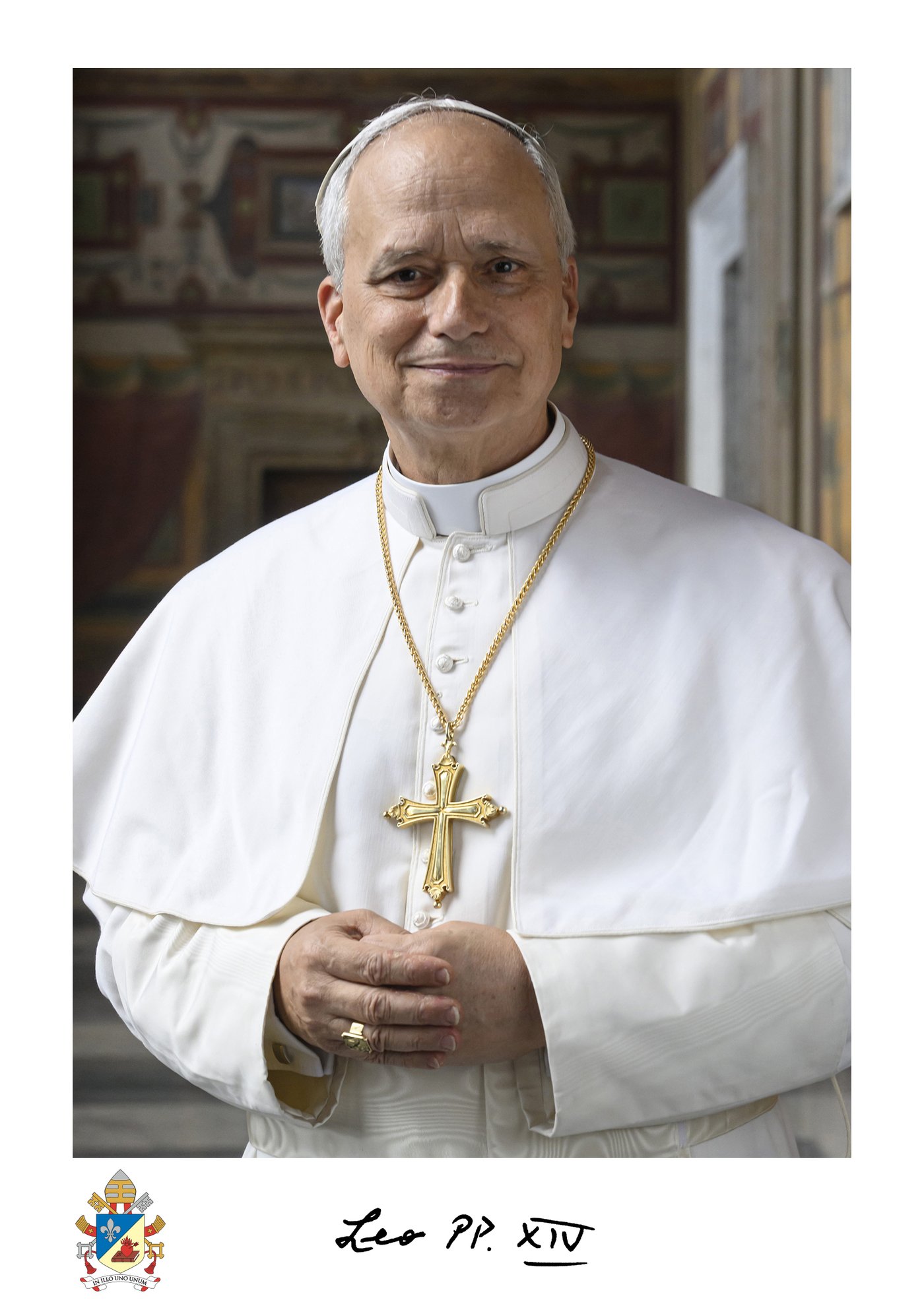
The Holy Father, Pope Leo XIV, reminds us that Lent is a special time for renewal. The Church invites us to place God at the centre of our lives, ensuring that our daily worries, distractions, and sins do not consume our hearts. Lent is an opportunity to return to the Lord with sincerity and hope. The Pope highlights two key Lenten practices that help us grow closer to God and become better Christians: listening and fasting.
1. Listening: Making Room for God
The Pope teaches that conversion begins by allowing the Word of God to touch our hearts. Listening is the first step in any genuine relationship, both with God and with others. In Scripture, God reveals Himself as one who listens: “I have seen the misery of my people… I have heard their cry” [Exodus 3:7]. When we listen to the Word of God during Mass and in our personal prayers, we learn to listen more attentively to the world around us. The Pope reminds us that Sacred Scripture helps us recognise and respond to the cries of those who are suffering. Some examples of listening during Lent include: paying close attention during Mass instead of rushing; reading a short passage of Scripture daily, even if it’s just for five minutes; listening patiently to a spouse, child, parent, or neighbour; offering a listening ear to someone who feels lonely, sick, or is facing challenges, and being aware of the needs of the poor in our community.
2. Fasting: Purifying the Heart
The Pope explains that fasting extends beyond just abstaining from food. It is an ancient Christian practice that helps us recognise our true desires and what governs our hearts. Jesus teaches us that we do not live by bread alone but by every word that comes from the mouth of God [Matthew 4:4]. Fasting offers several benefits: it enables us to control selfish desires, fosters a hunger for justice and goodness, encourages simpler living, and inspires us to become more generous to others. Examples of fasting during Lent include: fasting from extra meals or snacks, and donating the savings to the poor; fasting from luxury spending and unnecessary shopping; fasting from excessive social media, TV, or entertainment; and fasting from complaining, negativity, or impatience.
A Special Invitation: Fast from Harmful Words; One of the Pope’s most impactful teachings encourages us to practice a form of fasting that is often overlooked: fasting from hurtful words. He urges us to avoid harsh language, gossip, slander, insults, rude speech, and quick judgments about those who are not present. Instead, we are called to communicate with kindness, respect, and peace. Scripture reminds us, "Let no evil talk come out of your mouths, but only what is useful for building up" [Ephesians 4:29] and "A gentle answer turns away wrath" [Proverbs 15:1]. Examples include refusing to spread gossip at home, work, or church; choosing silence instead of engaging in arguments; speaking words that encourage and heal; and asking for forgiveness when we hurt others.
3. Together: Lent is Experienced as a Community
The Pope reminds us that Lent is not only a personal journey; it is also a communal experience. Families, parishes, lay groups and Christian communities are invited to walk this path together. The Bible illustrates how the people of God gathered to listen and fast as one: [Nehemiah 9:1–3]. The Pope encourages parishes and families to create environments where the Word of God is heard, the suffering are welcomed, the cries of the poor are acknowledged, and everyone is treated with mercy and dignity.
In conclusion, the Holy Father asks us to pray for the grace to experience Lent with genuine conversion by listening more attentively to God, fasting with humility, speaking with love, and caring for the poor and suffering. By doing so, our parishes and families can become havens of hope and peace, contributing to what the Pope describes as “a civilisation of love.”
[Message of the Holy Father Leo XIV for Lent 2026, 13.02.2026]
Dear family of Our Lady of Light, let us listen, fast and walk together as the Holy Pontiff invites us to the ‘civilisation of love’ this Lenten season. Have a blessed, fruitful and fulfilling Lenten season.
Fr. Erick Balderas Vega M.Afr and Fr Henry Byamukama M.Afr
SECOND SUNDAY OF LENT REFLECTION
Readings: Genesis 12:1-4; 2 Timothy 1:8-10; Matthew 17:1-9
Lent as a Journey Up the Mountain: “ Rise, Do Not Be Afraid.”
Dear brothers and sisters, today’s readings are about a journey of faith. Abram is told to leave everything and trust God. Paul encourages Timothy not to be afraid of suffering for Christ. And the disciples are taken up the mountain, where they see Jesus in His glory before facing the Cross. In each case, God is preparing His people for something greater. Lent is our journey up the mountain, a time to step away from distractions and routine, to listen deeply, and to see Jesus as He truly is. Because when we see Him clearly, we are no longer afraid to follow Him.
Climbing or Staying at the Foot of the Mountain?
Many Christians find themselves at the foot of the mountain, busy and distracted. While they are religious, they may not be truly listening. Without moments of silence, intentional prayer, and dedicated time apart, we cannot perceive what God wants to reveal to us. Those who accept the invitation to climb the mountain will hear the Father’s voice: “This is my beloved Son… listen to him” [Matthew 17:5]. To hear this voice, we must ascend. Lent serves as that ascent. If we never step away from distractions, we will never see Jesus as He truly is.
Seeing Jesus Differently
On the mountain, “He was transfigured before them, and his face shone like the sun” [Matthew 17:2]. It’s important to note that Jesus does not change; rather, the disciples’ perception of Him changes. The light was always there. Prayer does not change God; it changes how we see Him. As faith matures, our understanding deepens. God does not always remove our struggles, but He transforms our understanding of them. Pain is no longer meaningless, sacrifice is no longer loss, and obedience is no longer a burden. They become the path through which God works. St. Gregory Nazianzen said, “What is not assumed is not healed.” Christ enters our human reality—suffering included—and fills it with divine light.
Preparing for the Cross
The Transfiguration occurs after Jesus has spoken of His forthcoming suffering. The idea of a suffering Messiah scandalised the disciples, so Jesus reveals His glory: not to impress them, but to strengthen them. St. Leo the Great teaches: “The Lord revealed His glory to strengthen the hearts of His disciples, so that the humiliation of the Passion might not disturb their faith.” The mountain prepares them for Calvary; the light prepares them for darkness; the glory prepares them for the Cross. When they fall in fear, Jesus reassures them, saying, “Rise, and do not be afraid” [Matthew 17:7].
He Alone Remains
After the cloud lifts, “They saw no one but Jesus only” [Matthew 17:8]. Moses is gone, Elijah is gone: only Jesus remains. He is the one accessible to them, the one they must follow to Jerusalem, the only voice they must ultimately obey. This is the heart of Lent: to come to a place where, after all distractions fall away, we see no one else but Jesus.
What This Means for Us at Our Lady of Light
Both young and old, we are all called to climb. We climb when we choose prayer over scrolling, forgiveness over resentment, generosity over self-protection, silence over noise, and obedience over ego. Without intentional listening, we remain at the base: busy but unchanged. However, if we ascend:
- We begin to see differently.
- We begin to understand our struggles differently.
- We begin to trust differently.
The parent burdened by responsibility sees sacrifice as love. The young person facing peer pressure views courage as a form of strength. The elderly individual facing limitations sees surrender as a communion with Christ. Faith matures on the mountain.
The Promise of the Mountain
God does not promise constant brightness or the removal of difficulty, but He promises His presence. When fear overwhelms us: in illness, uncertainty, grief, or doubt, Christ comes near. He touches us and says, “Rise.” He says, “Do not be afraid.”
In Conclusion, when Lent has accomplished its work in us, when silence has purified our hearing, and when obedience has shaped our hearts, we will descend the mountain stronger. Not because life is easier, but because we have seen who He truly is: The Beloved Son, filled with divine glory. His voice is the one we must listen to, for He lea
First Sunday of Lent – Year A
Readings: Genesis 2:7-9, 3:1-7; Romans 5:12-19; Matthew 4:1-11.
“FROM HIDING TO TRUST: A LENTEN CALL TO FAMILIES”
Brothers and sisters, let me begin with a simple story. A father once took his young son to the beach. The boy was excited and ran ahead toward the water. The father called out, “Stay close to me. The current is strong.” The boy didn’t understand. The ocean looked beautiful, calm, and inviting. For a moment, he thought, “Dad is just being strict.” But when a wave suddenly pulled at his small legs, he reached back—and there was his father’s strong hand already holding him. Later that evening, the boy said, “Dad, you were right.” The father smiled and replied, “I wasn’t trying to control you; I was trying to protect you.” That is the story of Genesis.
The Garden: the Place of Trust
The Garden of Eden is not merely a distant memory; it symbolises what life looks like when we trust in God. Adam and Eve are not slaves; they are sons and daughters. They have everything they need, with only one boundary: “Do not eat from the tree of the knowledge of good and evil.” Why this command? Because love requires trust. The serpent’s temptation was not primarily about fruit; it was about sowing doubt: “Did God really say...?” and “You will not die.” The underlying lie was simple: God is not a Father; He is a rival. Once this lie took root in their hearts, everything fell apart. They ate the forbidden fruit, their eyes were opened, and they realised they were naked. They began to hide.
Before sin, nakedness represented transparency—there was nothing to conceal. After sin, nakedness turned into shame. Why? Because trust had been broken. When we stop trusting God, we begin to fear one another. We protect ourselves, blame others, and hide. This is not just Adam’s story; it reflects life in New York, in our homes, and in our hearts.
Two Adams, Two Paths
St. Paul tells us in Romans 5 that through one man, sin entered the world, and through another man, grace entered the world. The first Adam declared, “My will,” while Jesus, the new Adam, proclaimed, “Your will, Father.” The first Adam reached for what was not given, whereas Jesus accepted everything as a gift. The original Adam hid in a garden, while the new Adam stood firm in a desert. This contrast leads us to the Gospel.
The Desert, where trust is tested
Jesus is led into the desert for forty days. The desert represents a place of hunger, silence, and vulnerability; free from distractions, applause, and comfort. During this time, the devil tempts Him three times. These temptations are not random; they mirror the same struggles we face today.
First Temptation: Turning Stones into Bread
Jesus is hungry and is tempted to “turn these stones into bread.” The temptation here is to satisfy physical hunger without relying on the Father. It’s about prioritising physical needs over spiritual trust. In our world, this translates to turning anxiety into mindless scrolling, loneliness into addiction, and emptiness into constant consumption. While bread itself is not bad, when it replaces God, it becomes an idol. Jesus responds, “Man does not live on bread alone, but on every word that comes from the mouth of God.” Brothers and sisters, we are more than just physical beings; we are sons and daughters of God. We need food, but we need God even more. Parents, remember that your children are hungry; not just for snacks, but for meaning. If they see you only feeding their bodies and neglecting their souls, they will grow up spiritually malnourished.
Second Temptation: Jumping from the Temple
The devil quotes Scripture, saying, “Throw yourself down. Angels will catch you.” This reflects a form of religion as performance: “Prove you are the Son of God. Make a spectacle and force God to act.” How often do we find ourselves doing this? “God, if you solve my problem, then I’ll believe.” Or “If you bless me publicly, I’ll follow you.” Even in more subtle ways, we can live for image, for social media, and for appearances. Jesus answers, “You shall not put the Lord your God to the test.”
Faith is not about putting on a show; it is about trust in hiddenness. Parents, your children don’t need perfect parents; they need parents who pray, those who don’t just perform their religious duties once a week but who kneel in prayer at home.
Third Temptation: All the Kingdoms of the World
From a high mountain, the devil shows Jesus the glory of all the kingdoms and says, “All this I will give you if you worship me.” This temptation revolves around power, success, and control; the desire for shortcuts without the Cross. In a city like New York, this temptation is particularly loud. We often chase after careers, status, money, influence, and prestige. While none of these is inherently evil, they become problematic when they replace worship, turning us into slaves of these pursuits. Jesus declares, “You shall worship the Lord your God, and Him alone shall you serve.” And then the devil leaves.
The three readings are interconnected. The passage from Genesis illustrates our fall, while the letter to the Romans presents the remedy, and the Gospel portrays the ongoing struggle. Where Adam failed, Jesus perseveres. Where humanity wavered in trust, Christ demonstrates unwavering faith. Lent is not merely about making a stronger effort; it is about standing alongside the new Adam.
A Word to Parents
Dear Parents of Our Lady of Light, This Lent, the Church is calling you by name. The serpent continues to whisper in our homes with messages like, “You don’t have time to pray,” “Church is optional,” “Faith is private,” and “Your kids will figure it out.” The truth is, they will not. You are the first teachers of faith. If your children do not see you confess your sins, they may believe that sin doesn’t matter. If they do not see you pray, they may think God is irrelevant. If they witness you worshipping success, they will follow that example. Just as Adam’s failure affected his children, your obedience will bless yours.
Concrete Call to Action for Lent
Here is something simple for every family and individual at Our Lady of Light.
1. Fast from one “stone-to-bread” habit. Choose one measurable sacrifice, such as limiting screen time after 9 PM, reducing unnecessary spending, cutting out sweets, limiting social media, or abstaining from alcohol. Let hunger teach you about trust.
2. Pray together at home at least three times a week. Spend just five minutes: read the Sunday Gospel, pray one Our Father and one Hail Mary, then have a moment of silence. Fathers, take the lead in this.
3. Go to Confession as a family this Lent. Come out of hiding; shame dies in the light.
Young people, choose Christ over popularity. Parents, choose prayer over busyness. All of us should choose worship over idols.
In conclusion, remember the story of the father at the beach: God’s commandments are not restrictions but protections. The desert is not a punishment; it is preparation. Lent is not about losing something; it’s about recovering trust. While Adam hid, Jesus stood firm. This Lent, let us stop hiding.
Our Lady of Light, pray for us, so that in our city, homes, and parish, we may trust the Father, follow the Son, and walk in the freedom of the Holy Spirit. Amen.
SIXTH SUNDAY IN ORDINARY TIME (YEAR A)
Readings: Sirach 15:15–20 | 1 Corinthians 2:6–10 | Matthew 5:17–37
Inner Journey: Choose Life, Not the Minimum
Brothers and sisters, today the Word of God invites us on the most important journey of all: the journey within. Dag Hammarskjöld, the second secretary-general to the United Nations, once said, “The longest journey is the journey within,” and Scripture has long conveyed this truth. Proverbs 4:23 tells us, “Guard your heart with all vigilance, for from it flow the springs of life.” The heart is the battlefield.
1. Sirach: Choose Life
Sirach speaks clearly: “If you choose, you can keep the commandments… Before you are fire and water… life and death… whichever you choose will be given to you” [Sirach 15:15–17]. God created us with free will. Moses expresses a similar sentiment in Deuteronomy 30:19: “I have set before you life and death, blessing and curse; therefore choose life.” God does not force our obedience; He respects our freedom. However, freedom is not merely the ability to do anything. True freedom is the ability to choose what leads to life. Saint Augustine explains, “God does not command the impossible, but by commanding, He invites you to do what you can and to ask for what you cannot.” The commandments are not chains; they are protection. Psalm 19:8 says, “The law of the Lord is perfect, reviving the soul.” God's law revitalises; it does not suffocate. Sirach reminds us that God does not command anyone to sin. We are responsible for our choices, but we are not alone.
2. Jesus: Go Beyond the Minimum
In Matthew 5, Jesus states, “I have not come to abolish the law but to fulfil it.” [Mt 5:17] He then adds, “Unless your righteousness surpasses that of the scribes and Pharisees…” [Mt 5:20]. Jesus is not asking for more rules but rather for a deeper conversion. Saint John Chrysostom wrote, “Christ requires not only freedom from murder, but also freedom from anger.” Jesus moves the focus from external actions to the interior roots of sin because sin originates within. As He mentions elsewhere, “From within, out of the heart, come evil thoughts…” [Mark 7:21].
A. Anger: Where Death Begins
“You shall not kill.” [Exodus 20:13] However, Jesus teaches, “Whoever is angry with his brother will be liable to judgment.” [Mt 5:22] Anger, when nurtured, can lead to contempt. Scripture is quite strong on this matter. In 1 John 3:15, it states, “Everyone who hates his brother is a murderer.” Let’s bring this closer to home. Imagine a family here in Queens: parents are working long hours, children are balancing school and their own pressures, and everyone feels exhausted. One sharp word at dinner, one disrespectful tone—no apologies, no shouting, and no violence—but resentment begins to grow. Dad withdraws, Mom feels unseen, and the child feels misunderstood. Weeks later, the home feels colder. This is how death begins—not with blood, but with hardened hearts.
Saint Paul warns us: “Be angry, but do not sin; do not let the sun go down on your anger.” [Eph 4:26] Furthermore, Saint Augustine says, “Resentment is like drinking poison and expecting the other person to die.” Yet, someone in that home can choose life. Simple phrases like “I’m sorry” and “I forgive you” can make a significant impact. Sirach reminds us, “Before you are life and death.” Even in our homes in Queens, we have the power to choose.
B. Lust: When Love Is Reduced
Jesus teaches that “Everyone who looks at a woman with lust has already committed adultery in his heart” [Matthew 5:28]. Exodus 20:14 states, “You shall not commit adultery.” However, Jesus dives deeper into this issue by highlighting that adultery is not merely about actions; it first begins in the heart. Proverbs 6:25 cautions, “Do not desire her beauty in your heart.” The problem lies not in attraction itself but in our consent and the cultivation of those desires. Saint Maximus the Confessor explains, “Sin is not in the first thought, but in consenting to it.” Saint John Paul II, in his work "Theology of the Body," taught, “The problem is not that we desire too much, but that we desire too little.” Lust reduces a person to an object. Yet, Genesis 1:27 reminds us, “God created man in His image.” Every person is sacred. Purity restores our vision, while lust clouds it.
C. Let Your Yes Be Yes
Jesus instructs us, “Let your ‘Yes’ mean ‘Yes’ and your ‘No’ mean ‘No’” (Matthew 5:37). Psalm 15 asks, “Lord, who shall dwell on your holy mountain? He who speaks truth from his heart.” Truth begins from within. Saint Thomas Aquinas taught that integrity means unity—the inner and outer person should be one. In a culture filled with exaggeration and half-truths, Jesus calls us to be integrated, not divided or double-minded, but whole.
3. The Spirit Reveals God’s Wisdom
Saint Paul states, “We speak God’s wisdom… not of this age” [1 Corinthians 2:6]. He also expresses, “What no eye has seen, nor ear heard… God has prepared for those who love Him” [1 Corinthians 2:9]. The world tells us to do the bare minimum, avoid getting caught, and maintain appearances. In contrast, the Spirit unveils something much deeper. Jeremiah 17:10 declares, “I, the Lord, search the heart and test the mind.” God is seeking the heart, and only the Spirit can transform it. Saint Basil the Great said, “Through the Spirit, we are restored to paradise.
Conclusion: The Inner Journey
Today, at Our Lady of Light, the Lord asks us what we are choosing. Sirach presents us with a choice of life or death. Jesus asks whether we will seek external compliance or inner transformation. Paul invites us to choose between worldly wisdom and the wisdom of the Spirit. Saint Augustine prayed, “Create in me a clean heart, O God.” Let us not settle for the bare minimum. May we choose life in our homes, in our marriages, in our words, and in our hearts. May the Holy Spirit guide us on our inner journey, so that what is hidden within us may be worthy of the Kingdom. Amen.
FEBRUARY 1ST, 4TH SUNDAY OF ORDINARY TIME-YEAR A
[Readings: Zephaniah 2:3, 3:12-13; 1 Cor 1:26-31; Matthew 5: 1-12.]
“TRUE HAPPINESS: LIVING THE WAY OF JESUS”
My brothers and sisters, one thing unites every human heart, young and old: we all want to be happy. Children want to be happy, parents want their children to be happy, and even those who seem to have everything are still searching for happiness. The big question is: What really makes us happy?
The World’s Idea of Happiness vs. the Gospel
The world often tells us: You’ll be happy if you are rich, You’ll be happy if you are powerful, You’ll be happy if everyone admires you, You’ll be happy if you always win. But today’s readings, especially the Gospel, tell us something very different. Jesus sits on the mountain and teaches His disciples, not the crowds looking for miracles, but those who want to follow Him closely. And what does He teach them?
“Blessed are the poor in spirit…Blessed are the meek…Blessed are the merciful…Blessed are the peacemakers…” This is not the world’s list of “successful people.” Yet Jesus says, “Blessed”; happy are they.
Happiness Begins with Dependence on God
The prophet Zephaniah speaks of a poor and humble people who trust in the Lord. This doesn’t mean being miserable or weak. It means knowing a very important truth: I am not God. I need God.
“Blessed are the poor in spirit”, are those who know they depend totally on God for life, strength, forgiveness, and hope. Children understand this easily: they know they need their parents. Jesus tells us: Become like children before your Father in heaven.
Jesus Turns the World Upside Down
Saint Paul reminds us that God does not choose people because they are strong or impressive. He chooses ordinary people like us, so that His grace can be seen at work. That’s why the Beatitudes are not just beautiful words; they are a way of life:
Meek: not violent or proud, but gentle and patient
Merciful: ready to forgive, even when it’s hard
Pure of heart: wanting what is good, honest, and clean
Peacemakers: bringing love instead of revenge
Hungry for righteousness: wanting what is right in God’s eye
Those who mourn: not sadness for its own sake, but sorrow for sin, evil, and suffering; and a desire to heal the world. In short, Jesus is describing Himself.
Disciple Like the Master
There is an old saying: “The disciple must become like the Master.” Jesus is: Poor; born in a manger; Meek; gentle with sinners; Merciful; forgiving even on the cross; Pure of heart; completely united to the Father; A peacemaker; reconciling us to God; Persecuted; rejected, mocked, crucified. To follow Jesus is not always easy. He even tells us, “Blessed are you when they insult you and persecute you because of me.” Why? Because loving like Jesus sometimes costs us something. But it leads to a deeper joy, a joy the world cannot take away.
Living the Beatitudes Today
For children: Be kind, share, forgive, tell the truth.
For young people: Choose goodness even when it’s unpopular, Stand for what is right, Be peacemakers among friends.
For adults: Live with humility, show mercy in families and workplaces, and witness to Christ in daily life.
The Beatitudes are not about escaping the world; they are about transforming it.
True Happiness Is the Kingdom of God
Jesus does not promise comfort, wealth, or applause. He promises something greater: “The Kingdom of Heaven is theirs.” That is true happiness: life with God, now and forever.
Let us ask the Lord today for the grace to trust Him completely, to live the Beatitudes with courage, and to be true witnesses of the Kingdom as disciples of our Lord Jesus Christ. Amen.
A blessed February, the Black history month, St Martin de Porres, pray for us!
3RD SUNDAY OF ORDINARY TIME
Readings: Isaiah 8:23-9:3; 1 Cor 1: 10-13,17; Matthew 4:12-23.
“ REPENT AND FOLLOW ME: FROM DARKNESS TO LIGHT”
Dear brothers and sisters, the readings gently yet honestly highlight our lives. They remind us that while darkness exists in the world and sometimes within ourselves, we are not condemned; rather, God sees us as we truly are. Into that darkness, God sends His Son. Jesus draws near and calls out, “Repent, for the Kingdom of Heaven is at hand.” This is not a call to fear but an invitation to return, to remember that even in our sinfulness, we are deeply loved, and that God’s light is already close. We are encouraged to pause, listen, and allow Christ to guide us once again from darkness into light.
God comes into our Darkness
Friends, let’s start with a powerful truth that resonates through the ages: “The people who walked in darkness have seen a great light.” The Word of God doesn’t sugarcoat reality; it acknowledges that life isn’t always sunshine and rainbows. We face darkness in various forms: broken relationships, selfishness, injustice, confusion, and yes, even sin. But here’s the incredible news: God doesn’t wait for the darkness to vanish before He acts. He steps right into it! Jesus begins His public life and mission, not in some perfect paradise, but in the heart of Galilee, a place as ordinary and struggling as our own.
We Are Sinners, Loved Unconditionally
At the core of Christianity lies a truth that’s not just simple, but liberating: We are sinners, and in the midst of our struggles, God loves us deeply. Remember Saint Paul’s powerful words: “While we were still sinners, Christ died for us.” [Rom 5:8] God’s love isn’t conditional on our improvement; it’s a transformative force that prompts our change. As Saint Augustine beautifully said, “God loves us not because we are good, but to make us good.” When we lose sight of this fact, we tend to either hide our flaws or completely lose hope. But when we truly grasp that we are loved, our journey of repentance shifts from a place of fear to one of hopeful renewal.
Why Repentance Matters
Imagine the first words Jesus spoke: “Repent, for the Kingdom of Heaven is at hand.” Repentance isn’t about beating ourselves down; it’s about embracing truth and turning back to love. When we claim, “I have no sin,” we essentially dismiss the need for a Saviour, reducing Jesus to merely a teacher rather than our Redeemer. The Church reminds us that while sin is indeed real, mercy is even greater. This is the very reason Jesus comes—to forgive, to heal, and to set us free.
So, how do we begin this journey of repentance? It starts with some honest self-reflection: Where have I drifted from God? Has my love grown cold? Have I settled for less than what God desires for me? But repentance isn't just a personal endeavour; it’s a communal one too. As Saint John Chrysostom wisely points out, “Our sins wound not only ourselves, but the whole body.” In a world where right and wrong can often feel blurred, we must cultivate a living conscience—one that is shaped by prayer and the Gospel rather than merely conforming to societal norms. Let’s embark on this path together, seeking truth and love in our lives!
God Heals the Roots, Not the Symptoms
When we turn to God in repentance, we seek more than just a change in our behaviour; we invite Him to heal the deeper issues within us, our wounds, fears, habits, and the false beliefs we've held about ourselves. Today's Psalm reminds us, “The Lord is my light and my salvation.” God desires to reach into the depths of our being—not to shame us, but to liberate us. Saint Ambrose beautifully states, “God forgives so that the soul may be healed.”
The Journey of Trust- “They Left Their Nets”
Imagine the moment when Jesus calls the fishermen; they abandon their nets, their boats, and even their father! While this may seem dramatic, it’s fundamentally about trust. Today, our “nets” could be the fears of judgment, the comfort of the familiar, the need for control, or the pursuit of worldly success. Jesus doesn’t demand we abandon these things to punish us; instead, He invites us to release them so that we may embrace a fuller, richer life.
Conversion Is a Collaborative Journey
It’s crucial to remember: we don’t transform ourselves alone. It’s by God’s grace that we are carried through our journey of conversion. When Jesus invites us to “Come, follow me,” He doesn’t say, “Get everything sorted first.” As Saint Thérèse of Lisieux wisely puts it: “I know my weakness, and I trust completely in God’s mercy.” The essence of Christian life is to take small steps, make daily choices, and rely on divine grace every step of the way.
Embracing Our Role as Fishers of People
When we choose to follow Christ, we step into the role of witnesses, not because we’ve got it all together, but because we’ve experienced forgiveness. Remember Saint Paul? His transformation is a powerful reminder. He boldly declared, “Christ Jesus came into the world to save sinners — and I am the worst of them all” [1 Tim 1:15]. It’s this raw honesty that gave his words strength. People today aren’t seeking perfect Christians; they yearn for genuine souls who have discovered true hope.
Brothers and sisters, in this very moment, Jesus enters our daily lives, inviting us with a powerful message: “Repent. The Kingdom is near. Follow me.” Our response is not one of fear, but of trust. Not one of shame, but of hope. And we do this not in isolation, but as a united community.
May Our Lady of Light inspire us to embrace this truth: Yes, we are sinners, but we are also deeply loved. And in that love, we find our freedom. Amen.
SECOND SUNDAY OF ORDINARY TIME
Readings: Isaiah 49:3, 5–6; 1 Corinthians 1:1–3; John 1:29–34
“BEHOLD THE LAMB OF GOD”
God's Plan Is Bigger Than We Think
Through the prophet Isaiah, God states: “I will make you a light to the nations, that my salvation may reach to the ends of the earth” [Isaiah 49:6]. God’s plan has always been expansive—not just for Israel or for the perfect, but for the entire world. This prepares us for the message that John the Baptist proclaims in today’s Gospel.
“Behold the Lamb of God”
As John the Baptist sees Jesus approaching, he declares: “Behold, the Lamb of God, who takes away the sins of the world” (John 1:29). John does not refer to Jesus as “the Lamb who judges” or “the Lamb who punishes,” but rather as the Lamb who takes away sin. John testifies: “I saw the Spirit come down from heaven and remain upon him” [John 1:32]. This is not merely an opinion; it is a witness.
The Meaning of the Lamb
For those listening to John, the term “Lamb” carried significant meaning. Remember Abraham on Mount Moriah, where God provided a lamb in place of Isaac [Genesis 22]. God's intervention saved a life. Then there was the Passover in Egypt: an unblemished lamb was slaughtered. Its blood saved the people and led to their freedom from slavery [Exodus 12]. To them, the lamb symbolised salvation, protection, and freedom. Jesus fulfils the Passover, and during the Last Supper, Jesus takes bread and wine, stating: “This is my body… this is my blood, poured out for the forgiveness of sins” (Matthew 26:26–28). In this way, Jesus becomes the true Passover Lamb. That is why, at every Mass, just before Communion, we pray: “Lamb of God, you take away the sins of the world…” The priest then declares: “Behold the Lamb of God… Blessed are those called to the supper of the Lamb.” What we hear in today’s Gospel is what we experience every Sunday at the Eucharist.
What the Lamb Has Done
This is the Good News for people of all ages: Sin no longer defines us, and our past does not imprison us. Saint Paul reminds us in today’s second reading: “You have been sanctified in Christ Jesus, called to be holy” [1 Corinthians 1:2]. Notice it says "called," not "perfect." Saint Augustine teaches: “The blood of Christ has wiped away the handwriting of our debt.” Jesus himself said, “I came not to call the righteous, but sinners” [Mark 2:17]. If Christ came for sinners, then none of us are excluded.
Baptism and New Life
John the Baptist proclaims, “This is the one who will baptise with the Holy Spirit” [John 1:33]. Through baptism, we enter into Christ’s life. Through the sacraments, that life is sustained. Through the Church, we are united as one body. We are not forgiven for just a moment; we are redeemed for life.
What Is Our Response?
If Jesus truly is the Lamb who takes away the sins of the world, then our response must be clear: gratitude instead of guilt, freedom instead of fear, trust instead of despair, and witness instead of silence. Like John the Baptist, we are called to point to Christ: not to ourselves.
In Conclusion, Brothers and sisters, especially our young people: Behold the Lamb of God. The Lamb who frees. The Lamb who heals. The Lamb who gives life. Let us live as those who know they are loved, forgiven, and sent: a light to the nations, as Isaiah promised. Amen.
SUNDAY, JANUARY 11, FEAST OF THE BAPTISM OF THE LORD.
“YOU ARE MY BELOVED”: BAPTIZED, EQUIPPED, AND SENT.
Readings: Isaiah 42:1–4, 6–7 | Acts 10:34–38 | Matthew 3:13–17
The Servant Anointed for Mission [Isaiah 42:1–4, 6–7]
Through the prophet Isaiah, God reveals His chosen Servant: “My servant whom I uphold, my chosen one with whom I am well pleased. I have put my Spirit upon him.” This Servant brings justice quietly and faithfully. He does not break the bruised reed or quench the smouldering wick. He is appointed as a covenant for the people and a light to the nations, sent to open blind eyes and free captives. From the beginning, the Spirit is given not for status, but for mission.
The Jordan: From Boundary to Birthplace (Matthew 3:13–17)
For the Jewish people, the River Jordan is never just a river. It is where Israel crossed into the Promised Land (Joshua 3). It is where Elijah crossed before being taken up in the whirlwind (2 Kings 2). In each case, God opened a way through the waters, protecting His people from chaos. But at the Baptism of the Lord, something new happens. The waters are not parted. Instead, people are plunged into the river, and Jesus Himself steps into it. This is striking because throughout Scripture, water often represents chaos and danger. It is where the pigs drown [Mark 5:13]. It is what Jesus later walks upon to show His authority over creation [Matthew 14:25].
So why does Jesus enter the waters? Because Jesus does not save us by avoiding chaos: He saves us by entering it with us. At the Jordan, He stands in solidarity with sinners. This moment already points toward the Cross, where He will enter fully into sin and death, and toward the Resurrection, where His new life will become ours. What once threatened to destroy now becomes a place of new birth.
Heaven Opens: The Mission Begins [Matthew 3:16–17]
As Jesus rises from the water, heaven opens, the Spirit descends like a dove, and the Father declares: “This is my beloved Son, with whom I am well pleased.” This is not merely a private revelation. It is a public commissioning. From this moment, Jesus begins His public ministry: teaching, healing, freeing, restoring. What happens to Christ at the Jordan happens sacramentally to us in Baptism. Heaven is opened over us. The Spirit is given to us. We are claimed as beloved: not for comfort alone, but for mission.
Incorporated Into Christ and His Church (Acts 10:34–38):
In the Acts of the Apostles, Peter proclaims at the house of Cornelius: “God shows no partiality… Jesus went about doing good and healing all who were oppressed by the devil, for God was with him.” Through Baptism, we are incorporated into the Body of Christ, the Church. We become brothers and sisters, called to collaboration: not spectators. If God shows no partiality, then mission belongs to every baptised person, not only to a few.
Equipped and Sustained by the Sacraments
Our baptismal mission is not lived on our own strength. Christ sustains us through the sacraments: In the Eucharist, He feeds us for the journey. In Penance, He restores us when we fall. In the Anointing of the Sick, He strengthens us in suffering. Through Marriage and Holy Orders, He builds up His Church. In every sacrament, Christ remains faithful to His promise: “I am with you always, until the end of time” [Matthew 28:20]. This means that when we face the waters of daily life: family struggles, illness, uncertainty, injustice, or fear: we do not step in unprepared or alone. Through Baptism, we are equipped with the Spirit, incorporated into a community, and sent alongside Christ, who has already entered those waters before us.
Conclusion- A Call to Be Ready and Sent
The Feast of the Baptism of the Lord invites us to see our Baptism clearly—not as a memory, but as a commissioning. We have been equipped with the Spirit, nourished by the sacraments, and placed within the Body of Christ so that we may continue His work. We are not baptised to remain at the river, but to step out: bringing light, justice, healing, and hope wherever God sends us.
May Our Lady of Light be a parish of baptised disciples who know who they are, trust the One who goes with them, and are ready for mission. And may we live each day in the confidence of the words spoken over us: “You are my beloved.” Amen.
SUNDAY, DECEMBER 28TH, FEAST OF THE HOLY FAMILY
“Listening to God and Being Present to One Another”
Dear brothers and sisters, young and old, today we celebrate the Feast of the Holy Family of Jesus, Mary, and Joseph. The Church places before us not an idealised family without problems, but a real family under pressure: forced to flee, uncertain about the future, and totally dependent on God. That makes the Holy Family very close to our own experience today, especially here in Queens, New York.
1. Joseph: Leadership Through Faithful Obedience:
In today’s Gospel (Matthew 2:13-15, 19–23), Joseph is the main actor. God speaks to him in dreams, and Joseph responds immediately. This does not mean domination or control. It shows humble obedience and a deep fear of God. Joseph teaches us that authentic leadership in the family is not about power, but about responsibility: Responsibility to listen to God, to protect life, to guide the family in difficult decisions. Many fathers and mothers today carry this same burden; working long hours, sometimes holding two jobs, making sacrifices so their families can survive. Like Joseph, they often act quietly, without recognition, but with great love.
2. Mary and Jesus: Shared Responsibility in Family Life:
Joseph does not act alone. Mary actively cooperates, trusting God and supporting Joseph’s discernment. She embraces exile, insecurity, and hardship for the sake of her child. Even Jesus, though a child, participates in this family’s life through obedience and trust. The Holy Family reminds us that every member has a role: Fathers and Mothers lead through faith, nurture and guide, children learn responsibility, respect, and obedience. Family life works best when responsibility is shared, not avoided.
3. Modern Pressures That Weaken Family Life:
Today, families face pressures the Holy Family did not know, but the challenges are just as real: Work pressure and long hours, sometimes two jobs, leaving parents exhausted; children in daycare from a very early age, with little time for family bonding, phones, television, and social media are replacing real conversation; families in the same house, but not really present to one another, rampant separations and divorces, often caused by a lack of communication and patience, opportunistic marriages, entered into for legal status or convenience rather than commitment and love. These realities slowly weaken the family from within.
4. Freedom Needs Guidance:
Another serious challenge today is too much freedom without formation, especially for children. Love does not mean absence of limits. The Holy Family teaches us that children grow best when they are loved, guided, and corrected with patience. Parents are called not only to provide materially, but to form hearts and consciences.
5. God’s Blueprint for Family Life:
St. Paul, in Colossians 3:12-21, gives us a powerful remedy: compassion instead of harshness, kindness instead of indifference, humility instead of pride, patience instead of anger, and forgiveness instead of resentment. Above all: “Put on love, which is the bond of perfection.” Love means making time. Love means being present. Love means choosing family over distractions whenever possible.
6. Restoring Family Life Today:
Pope St. John Paul II reminded us in Familiaris Consortio that the family is the first school of life, love, and faith. When family life weakens, society loses its future. The Holy Family holds up a mirror and asks: Are we truly present to one another? Do we listen to God as a family? Do we create time for prayer, conversation, and forgiveness? Restoration does not begin with perfection, but with small, intentional choices: Turning off screens for family time, praying together, even briefly, eating together when possible, choosing commitment over convenience.
Personal moment of reflection
Brothers and sisters, let us pause and place our own families just as they are before God, the giver of life, love, and healing.
(Silence)
Let us ask ourselves quietly: Where does my family need God’s healing today: in communication, forgiveness, time together, or trust? What one step is God inviting me to take to strengthen love and unity in my family?
(Silence)
Let us now open our hearts and homes to the Lord, and ask the Holy Family to walk with us on the journey of healing and renewal.
(Silence)
Conclusion
The Holy Family shows us that holiness is lived in ordinary struggles, sacrifices, and daily faithfulness. And may our families become places where God is listened to, love is lived, and people are truly present to one another. Holy Family of Nazareth, pray for us.
A Blessed Holy Family feast to Our family of Our Lady of Light and to each one of our families.
Fr. Erick Balderas Vega M.Afr and Fr. Henry Byamukama M.Afr
CHOOSING THE LIGHT: A NEW YEAR FOR GOD’S CHILDREN
Dear Brothers and Sisters, Family of Our Lady of Light;
As we usher in the New Year, we are not just flipping a page on a calendar from 2025 to 2026. This transition carries with it the weight of our past experiences, the grace of the moments we've shared, and the rich meaning of what has shaped us. We stand on the brink of 2026, still basking in the glow of the Christmas season, just a week after commemorating the incredible birth of our Lord Jesus Christ. The New Year emerges not from a void but from the profound mystery of the Incarnation.
The Gospel reminds us: “the people who walked in darkness have seen a great light” (Isaiah 9:2). This divine light first shone, not in grand palaces, but amidst the fields and among shepherds; ordinary folks living their everyday lives. We hear that “the glory of the Lord shone around them, and they were filled with great fear” (Luke 2:9). God’s light can be startling because it often appears in unexpected places, yet the first words spoken into that night were ones of comfort: “Do not be afraid” (Luke 2:10). Those words are meant for us today as well.
Light that Challenges and Heals
So often, we shy away from God’s light because we’ve become too cosy in the shadows: clinging to familiar habits, outdated mindsets, and inherited fears. While darkness may seem safe because it’s familiar, the New Year beckons us to embrace more light and truth in our lives. If we don’t, we risk celebrating the start of a new year physically while our hearts remain untouched: stuck in the “old self” (cf. Ephesians 4:22).
To welcome the New Year without embracing this new light means remaining tethered to the past. Accepting the Light allows God to reveal what needs healing and transformation, leading us to a new horizon.
A Divine Pattern of New Beginnings
Scripture shows us time and again how God crafts new beginnings in the most unexpected ways. Consider Sarah, who, despite her age and barrenness, joyfully gave birth to Isaac, whose name means “laughter” (Genesis 21:1–6). Hannah, overlooked and humiliated, received the blessing of Samuel, “asked of the Lord” (1 Samuel 1:20). Elizabeth, well past her childbearing years, rejoiced in the birth of John, “God is gracious” (Luke 1:57-63). And Mary, a young woman touched by the divine, brought forth Jesus: “God saves” and Emmanuel, “God with us” (Matthew 1:23). Each of these births came with a name that carried a mission, a declaration that God is continually doing something new. The New Year isn’t just about time moving forward: it’s a testament to God’s unwavering faithfulness: “See, I am doing something new! Now it springs forth, do you not perceive it?” (Isaiah 43:19).
Living Fully in Christ
This Emmanuel, who is with us “until the end of the age” (Matthew 28:20), offers a clear message: “Apart from me you can do nothing” (John 15:5). He uses imagery that resonates deeply: a vine and its branches, a fish in water, a life rooted in Him. Scripture reminds us that “In Him we live and move and have our being” (Acts 17:28).
As we enter this New Year, we face a crucial choice: Will we cling to old patterns, fears, and identities shaped by expectations, whether our own or those imposed by others? Or will we choose to step boldly into the Light? “To all who received him, who believed in his name, he gave power to become children of God” (John 1:12).
Inspired by Saints and Our Patronage
Our patron saints illuminate what it means to live fully in the Light. Saint Catherine of Siena challenges us with, “If you are what you should be, you will set the world on fire.” Holiness is never passive; it radiates! Saint Paschal Baylon teaches us about joy rooted in the Eucharist: the enduring Light that remains hidden under the humble signs of bread and wine (cf. John 6:35). Our Lady of Light, our guiding Mother, embodies the spirit of new beginnings: “Let it be done to me according to your word” (Luke 1:38). Her surrender did not lead to darkness; it birthed the Light of the world.
A Reflective Question for 2026
As we step into this New Year, let’s ask ourselves a fundamental question: What might my life look like if I truly followed the Light? How would my family transform with Christ at its heart? What kind of community could our parish of Our Lady of Light become if we prioritised truth over comfort, faith over fear, light over darkness? God has done His part; the Light is here (cf. John 3:19). Now, it's our turn to respond.
A New Year’s Blessing
May this New Year, 2026, be a gift that we don’t just survive but truly receive. May it be guided by Our Lady of Light, grounded in her Son, the Light of the world (John 8:12), and characterised by lives that quietly yet powerfully declare: “The Lord is my light and my salvation; whom shall I fear?” (Psalm 27:1).
Wishing a blessed, gracious, and fruitful New Year to the entire family of Our Lady of Light!
Fr. Erick Balderas Vega M.Afr and Fr. Henry Byamukama M.Afr
GOD WITH US, LIGHT FOR THE WORLD
Christmas isn't merely a holiday or a lovely tradition; it's a pivotal moment in history that transformed the world forever. At Christmas, we celebrate the awe-inspiring truth that God stepped into our human narrative and embraced our flesh: “And the Word became flesh and dwelt among us” (John 1:14). This monumental event fulfills the promises made by prophets throughout history, pointing to the child born in Bethlehem—the Messiah, the Emmanuel: “God with us,” as foretold by Isaiah and joyfully declared in the Gospel of Matthew (Isaiah 7:14; Matthew 1:23). Isaiah’s words ring true: “The people who walked in darkness have seen a great light” (Isaiah 9:2). That radiant light, of course, is Jesus Christ, who ultimately reveals Himself as “the way, the truth, and the life” (John 14:6).
By assuming our humanity, God draws near to us, altering what it means to be human. In Jesus, our lives are elevated, healed, and infused with new dignity. As St. Athanasius wisely said, “God became man so that man might share in the life of God.” Christmas illustrates that our humanity is not something God casts aside; rather, it is embraced, redeemed, and filled with immense hope.
This incredible mystery comes to us most unexpectedly—God enters the world not with fanfare but in vulnerability, as a tiny child. With no room in the inn, He is laid in a manger among animals (Luke 2:7). The first to hear this joyous news are not the powerful or elite, but the humble shepherds—the forgotten ones: “I proclaim to you good news of great joy that will be for all the people” (Luke 2:10).
Though He is the promised King from the line of David, destined for a kingdom without end (cf. Luke 1:32-33), Jesus arrives not as a mighty ruler but in humility, teaching us that true greatness lies in love and self-giving. As St. Leo the Great beautifully reminds us, “Christian, remember your dignity; God has shared in your humanity so that you may share in His life.”
The Christmas story graces us with figures of faith who deepen our understanding of this mystery: Mary, who trusts God without hesitation (Luke 1:38); Joseph, who listens and obeys despite his fears (Matthew 1:24); Simeon and Anna, who recognize salvation in a newborn (Luke 2:25–38); and the Wise Men, seekers from afar who courageously follow the light shining before them (Matthew 2:1–12).
Yet, the story doesn’t shy away from the notion of resistance. Herod’s fear starkly reminds us that the presence of Christ can challenge those who cling tightly to power or control (Matthew 2:3–16). From His arrival, Jesus is both welcomed and rejected. At its core, Christmas embodies love: “We love because He first loved us” (1 John 4:19). God becomes one of us, teaching us how to love as He loves—especially those who are poor, vulnerable, and overlooked.
In a bustling city like New York, where faith is sometimes questioned, and life moves at a breakneck pace, Christmas invites us to pause, reflect, and embrace this transformative truth: God is with us—never distant or indifferent, but ever present in our joys, struggles, and hopes.
As we celebrate the birth of Jesus, may we open our hearts to the Light that dispels our darkness, renews our humanity, and encourages us to share His joy with everyone, especially those in greatest need. “Glory to God in the highest, and on earth peace to those on whom His favour rests” (Luke 2:14).
Lord Jesus, by sharing our humanity, You have bestowed upon us hope and dignity. Open our hearts to Your light, teach us to love as we have been loved, and help us spread the joy and peace of Your birth throughout our homes, our city, and to all who yearn for hope. Amen.
A merry Christmas and joyous festive season to each one, dear family of Our Lady of Light.
Fr. Erick Balderas Vega M.Afr and Fr. Henry Byamukama M.Afr
THE FOURTH SUNDAY OF ADVENT
Readings: Isaiah 7:10-14; Romans 1:1-7; Matthew 1:18–24
TRUSTING GOD AMIDST THE UNKNOWN
As the Church embraces the final days of Advent, the Gospel according to Matthew encourages us to pause and reflect on a man who speaks volumes without a word in Scripture: Saint Joseph. His story transcends the birth of Jesus, showcasing how God fulfils His promises through quiet obedience, profound trust, and boundless love.
Joseph’s Crisis?
In the story from Matthew, we meet Mary, who is betrothed to Joseph—a commitment that, in Jewish culture, carries far more weight than a modern engagement. Imagine the turmoil Joseph faces when he discovers that Mary is pregnant before they've come together. It’s a heart-wrenching and bewildering moment for him. Joseph is described as a righteous man, but his righteousness is not cold or harsh; it’s infused with love and compassion. Although the law gives him the right to publicly shame Mary, he chooses a softer, more considerate course of action. Instead of exposing her to public disgrace, he plans to divorce her quietly, preserving her dignity and well-being.
What can we learn from Joseph? Righteousness isn’t about strict rules or harsh punishment; it's about embodying God’s will with a spirit of mercy. Even when faced with confusion and uncertainty about God's plans, Joseph acts with grace and kindness. For children, this story teaches the importance of kindness and respect. For adults, it serves as a profound reminder that our faith is often tested in moments when life feels puzzling and unexpected. Joseph's journey encourages us all to choose love and compassion, even in the most difficult circumstances.
God Speaks in a Dream
At that pivotal moment when Joseph is hesitating, unsure of what to do next, God intervenes with a gentle but profound message. An angel appears to him in a dream, reassuringly saying, "Do not be afraid to take Mary, your wife." It’s fascinating how God doesn’t lay everything out in a detailed map; instead, He invites Joseph to trust Him with a simple yet powerful command. When Joseph wakes up from that dream, he doesn’t hesitate—he acts immediately, silently, and wholeheartedly.
What can we take away from this? First, God often speaks not with thunderous clamour but with quiet clarity. Second, having faith doesn’t mean our fears vanish; rather, it empowers us to act despite them. Advent, a time of reflection and waiting, reminds us through Joseph’s example that waiting is not passive. It is an active process of listening and responding to God’s will.
The Weight of a Name
The angel gives Joseph an important task: "You shall name him Jesus." In biblical times, giving a child a name carried weight; it signified authority and responsibility. By naming Jesus, Joseph embraces the role of His legal father, anchoring Him as part of the Davidic lineage. While Joseph may not share blood with Jesus, he envelops Him in love, protection, and a legacy. This teaches us two vital lessons: true fatherhood transcends biology; it’s about love, responsibility, and sacrifice. Joseph’s actions showcase how to nurture and care for a life entrusted to us by God.
Unpacking the Mystery: Jesus and Emmanuel
Matthew emphasises two names that are foundational to our faith—Jesus and Emmanuel. Jesus, meaning "God Saves," encapsulates His mission: to deliver us from sin and everything that alienates us from God and from each other. Emmanuel, which means "God Is With Us," reveals Jesus’s essence—God is not a distant observer; He immerses Himself in our human experience. These names remind us that salvation is intertwined with presence. For children, Emmanuel feels like a warm hug from God. For adults, it’s a reminder that God walks alongside us in our suffering, doubt, and moments of waiting.
Why the Name Joseph?
Matthew’s choice of name for Mary’s husband, Joseph, is intentional. It beckons us to recall Joseph of the Old Testament: the dreamer who safeguarded his family during a crisis. The parallels are striking: both Josephs are righteous, receive divine messages through dreams, protect life, and play pivotal roles in God’s grand narrative. Through Joseph, Jesus is linked to David, Judah, and the promises of God’s covenant. Joseph becomes a bridge connecting Israel’s longing with its fulfilment. Without his willingness to obey, the narrative of salvation might have taken a very different course.
Joseph and the New Exodus
Matthew paints Jesus as the dawn of a New Exodus. Just as the first Joseph led Israel into Egypt to save them from famine, this Joseph brings Jesus into Egypt to protect Him from Herod. The original Exodus freed Israel from slavery; this New Exodus liberates humanity from the grip of sin. Joseph, in his quiet strength, carries God’s future on his shoulders.
Lessons from Joseph for Today
Joseph’s life speaks volumes to us, young and old alike: trust God, especially in uncertainty; choose mercy over judgment; obey, even when the path ahead seems foggy; protect those who are vulnerable; and believe that God works through silence and faithfulness. Even though Joseph never utters a word in Scripture, his life boldly declares, "Lord, I trust You.”
Some reflection questions and resolutions
This Advent, God asks us: Will you trust Him when life is unclear? Will you choose mercy over self-protection? Will you obey even if your role is hidden? Joseph shows us that you don't need to be famous to be faithful. You don’t need to understand everything to say yes, and you don’t need control for God to act.
Let’s focus on some resolutions for the fourth week of Advent. First, take one courageous step of trust by identifying a fear or uncertainty in your life and placing it in God's hands. This Sunday is about trusting God amid the unknown.
Secondly, choose mercy over control in a relationship where you might feel the urge to be right or withdraw. Opt for understanding and gentleness, whether through refraining from harsh words, offering forgiveness, or simply listening. Lastly, prepare an inner space for Christ amidst the outer holiday celebrations. Set aside quiet time to welcome Him inwardly, as He came to a humble manger.
As Christmas approaches, let us pray: Lord, help us trust Your greater plan, hear Your gentle voice amid fear, and have the courage to obey. Let us believe in Emmanuel, God with us, and follow the example of Joseph, who listened and acted.
A blessed fourth Sunday of Advent and Youth Mass. May St. Joseph inspire all of us!
Fr. Erick Balderas Vega M.Afr and Fr. Henry Byamukama M.Afr
GAUDETE SUNDAY - YEAR A
REJOICE, NOTHING IMPRISONS GOD’S PLAN FOR OUR LIVES
[Readings: Isaiah 35:1–6,10 • James 5:7–10 • Matthew 11:2–11]
The Third Sunday of Advent, known as Gaudete Sunday, invites us to "Rejoice!" This day marks a shift in our Advent journey from a focus on penance to a vibrant celebration of joy, as the arrival of our Lord is just around the corner. As the entrance antiphon reminds us, “Rejoice in the Lord always; again I say, Rejoice… The Lord is near” (Philippians 4:4-5). This special day encourages us to embrace joy not because everything is perfect, but because of God's unwavering faithfulness and the transformative presence He brings into our lives.
1. The Joy of Transformation
The Prophet Isaiah in the first reading paints a beautiful picture of hope and renewal: “The desert shall bloom with flowers” and “They will see the glory of the Lord.” He invites us to “Strengthen the weak hands” and to reassure the frightened, saying, “Do not be afraid!” The promise is powerful—God turns barren wastelands into vibrant life, transforming weakness into strength and fear into courage. This is the essence of Advent joy: it’s not about a superficial happiness, but a profound confidence that God is on His way to rejuvenate what seems lifeless.
2. The Joy in Patient Hope
Saint James, in the second reading, encourages us to “be patient...until the coming of the Lord,” drawing a parallel to the farmer who waits patiently for his harvest. There’s wisdom in waiting; just like the farmer trusts the unseen seeds in the ground, we too must hold on to God’s promises as we patiently wait. James warns against complaining and grumbling about one another, emphasising that a patient heart cultivates peace. Advent joy, then, is not frantic or anxious; it’s a calm, steady assurance that God always fulfils His promises, even when the results remain unseen.
3. The Joy in Seeing God at Work
At one moment, John the Baptist, imprisoned and uncertain, sends his disciples to ask Jesus, “Are you the one who is to come?” Jesus responds with grace: “Go and tell John what you hear and see…”
Jesus responds by pointing to the signs of the Kingdom: the blind see, the lame walk, the poor hear good news. This is His gentle confirmation that God’s plan is unfolding: though not as John’s disciples expected. This profound message resonates with joy because Jesus embodies the fulfilment of every promise. Although John is imprisoned, God’s plan cannot be shackled. The message of hope continues despite earthly obstacles. Jesus honours John, declaring, “Among those born of women, none is greater than John.”
Does this imply that John the Baptist doubted Jesus?
John himself did not doubt Jesus’ identity; he had already proclaimed Him as the Lamb of God. However, knowing that his own ministry was coming to an end, John sent his disciples to encounter Jesus directly and transfer their loyalty to Him. Even from prison, John continued to prepare the way for the Lord.
This moment also reflects Jesus’ own experiences. In Gethsemane and on the Cross, Jesus uttered words that resembled questions: “Let this cup pass from me” and “My God, why have You abandoned me?” Yet, He never lost trust. His final words were an act of surrender: “Father, into Your hands, I commend my spirit.”
John’s question and Jesus’ prayers reveal something essential for our Advent journey: real faith is not the absence of questions—rather, real faith involves bringing every question to God. When life becomes difficult, when expectations are shattered, and when we cannot see the way forward, we are invited to do what John and Jesus did: turn toward the Father, seek His presence, and entrust our spirit into His hands. May this Advent teach us to ask not in fear, but in faith—and to discover, like John’s disciples, that Jesus truly is the One who has come to save.
IMPLICATIONS AND INVITATIONS FOR OUR LADY OF LIGHT COMMUNITY
A] Let’s Spread Joy: Bring smiles to Mass, visit the sick, offer kind words, and donate to those in need. “The desert will bloom.” (Isaiah 35:1) Together, we can create a thriving parish!
B] Let’s Be Patient and Loving: As Christmas nears, families feel stress. Let’s replace grumbling with gentle words and kindness, making this season one of reconciliation and warmth.
C] Let’s Recognise Christ’s Work: Jesus invites us to “look and see.” Where is He at work in Our Lady of Light? In children learning their faith, the elderly praying for us, and families attending Mass? His presence is everywhere, and joy flourishes when we notice the grace around us.
D] Let’s Prepare a Highway for Our God: Like John the Baptist, we’re called to prepare the way for Christ through good works, faithful actions, and love. Nothing can stop God’s beautiful plan for us.
Reflection for adults
What’s your current “desert”? It could be a difficult relationship, a demanding job, health concerns, or fears about the future. Isaiah promises that God will transform our struggles into flourishing. James encourages us to trust and wait patiently. Remember that Jesus is at work in our lives, even if we don’t see it yet. This Gaudete Sunday reminds us that joy is a reality because God is faithful.
Reflection for youth
It’s normal to have doubts, just like John the Baptist. Jesus didn’t judge him for questioning; He provided reassurance: “Look at what God is doing!” Remember, you don’t need to have everything figured out to feel God’s love. Bring your questions to Him, and He will respond.
Reflection for children
Have you seen a dry plant come back to life? In Advent, we wait for Jesus like a farmer watches their crops grow. The joy comes from knowing Jesus is coming into our hearts this Christmas. Let’s remember the JOY acronym:
• J – Jesus first
• O – Others next
• Y – You last
When we live this way, our hearts overflow with joy!
In conclusion, Gaudete Sunday highlights that joy is not just an emotion but a relationship with Jesus. He is near and actively working in our lives. May the candle of joy illuminate every home of Our Lady of Light, reminding us that the Lord's joy is our strength. “Rejoice in the Lord always… the Lord is near.” (Philippians 4:4–5)
Let’s seriously consider the reminder: “Blessed is the one who takes no offence at Jesus” and the wonderful assurance that nothing can hinder God's divine plans for us.
Fr. Erick Balderas Vega M.Afr and Fr. Henry Byamukama M.Afr
SECOND SUNDAY OF ADVENT
[Readings: Isaiah 11:1-10; Romans 15:4-9; Matthew 3:1-12]
FIND YOUR DESERT AND PREPARE THE WAY OF THE LORD
As we celebrate the Second Sunday of Advent, we reflect on John the Baptist's call in the wilderness (Matthew 3:1–12). God sends him not to cosy homes or temples, but to the stark desert, a place free from distractions where we can encounter Him. In this vast silence, John urges us to “Repent! Prepare the way of the Lord.” This call isn't about physical location but about creating space within our hearts for God's voice amid life's noise. Jesus invites us to retreat to quiet places (Mark 6:31), and Advent encourages us to enter this spiritual wilderness, preparing for the coming of the Prince of Peace.
Finding Your Desert
For many, a "desert" isn't a vast wilderness but a quiet space in everyday life. It could be a peaceful corner of your living room at dawn, the stillness in a church before Mass, or a moment of solitude in your car. It’s those fleeting minutes after the kids sleep when you can finally pause and be vulnerable before God. Choosing this desert is akin to opening a window that brings in fresh air and grace, softening the heart and making us receptive to God’s whisper.
Choosing the Desert is a Personal, Honest decision
Entering our desert isn't accidental; it’s a deliberate choice to step away from the chaos of life. Just as people flocked to John in the wilderness for various reasons, we too must confront our motivations. Choosing the desert reflects a desire for change, healing, and a willingness to let God work within us. It's an invitation to confront our needs honestly, allowing our hearts to declare, “I choose God. I choose healing.” We all require spiritual renewal as much as we need air to breathe.
The Sacrament as 'Hospital of Mercy'
This journey into the desert brings us directly to the Sacrament of Reconciliation—the "hospital of mercy," as Pope Francis beautifully describes it. In the gentle stillness of the confessional, we can lay down our masks and allow the Divine Physician to tend to the wounds we often hide. Confession is a moment in the desert: a time when pride fades away, and humility is renewed. It is when the clutter in our hearts is swept aside, making room for grace and peace. This Advent, let us be courageous enough to enter that sacred silence and humbly say, “Lord, cleanse what I cannot clean alone.” In the hush of reconciliation, we find a healing that touches every part of our lives.
John’s Humility: A Cure for Complacency
It would have been easy for John to accept the crowds' admiration and step into the role of Messiah. Instead, he points away from himself: “I am not worthy to carry his sandals, [ Matthew 3:11]. This is true humility, not weakness. It shatters our complacency, that comfortable voice whispering, “I’m fine… I don’t need to change… maybe later…” The greatest enemy to spiritual growth is not our failures, but the temptation to settle into comfort and let life drift by unchanged. John’s call is a clarion cry: “Wake up! The Lord is near!” In the honest silence of our own desert, we confront the places where we have become spiritually sleepy, and we dare to seek more.
What Would John Say to Us Today?
If John the Baptist stood before us today, he might say: “Turn off the noise—switch off the television, silence your phone, and listen for God in the silence. He might urge us, “Make time for confession before Christmas,” or “Don’t just decorate your house and leave your heart neglected.” He would tell us to choose time with God as deliberately as we select a doctor for our physical health. He would remind us that Christ comes with fire and mercy, longing to make a home in a heart that is open, clean, and ready.
Hope and Renewal
The prophet Isaiah describes the Messiah as a shoot sprouting from the stump of Jesse—a vibrant symbol of hope in a seemingly lifeless situation. Jesus, this living shoot, brings wisdom, understanding, strength, courage, and peace. He offers us a new Eden, where creation is healed, and relationships are restored, allowing our hearts to rejoice in renewal. Jesus enters our deepest deserts: those areas of dryness, silence, and vulnerability; so that He can guide us into the richness of His divine garden, where grace blooms anew.
Speaking to Children
Children, your desert can be a quiet moment before bed. Picture Anna, who whispers, “Jesus, thank you for today,” or Sean, who says sorry to his brother and makes peace with a hug. Each time you forgive a friend, help someone sad, or say a small prayer, you create a warm, quiet space in your heart for Jesus to visit.
Invitation to the young people
Young people, finding your desert can be tough in a noisy world. Take Daniel, who, overwhelmed by messages and distractions before exams, puts his phone aside and quietly prays, “Lord, help me focus.” In that moment, the noise fades, and he feels calm, returning to his studies with renewed focus. Choosing prayer over distraction creates a desert where hope can grow.
A call to Adults:
Adults, our deserts are shaped by our daily choices. Imagine a tired mother who gathers her family to pray before dinner, creating a moment of sacred stillness. By embracing silence and gratitude, she leads her family into the desert, fostering openness and peace. When we prioritise intentional spiritual renewal, we guide others to seek rest and connection with God, nurturing our souls in the process.
Conclusion – Go to Your Desert
As Advent unfolds, John the Baptist calls us to “Prepare the way of the Lord.” Find your desert—a quiet space for reflection away from distractions. Dedicate time each morning to silent prayer or Scripture reading, centering your day on God. Approach Him with humility, allowing Jesus to cultivate His new Eden within you. As Christmas approaches, we welcome the One who chose to take on flesh so that we may share in His divinity. Let us sincerely prepare our hearts in the desert to welcome Him.
As we light the Bethlehem candle on this second Sunday of Advent, may the Lord, the Prince of Peace, increase our faith in Him as we prepare for His coming!
Fr. Erick Balderas Vega M.Afr and Fr Henry Byamukama M.Afr
FIRST SUNDAY OF ADVENT
[Readings: Isaiah 2:1-5; Romans 13; 11-14; Mathew 24:37-44]
“IF ONE MEMBER SUFFERS, ALL SUFFER TOGETHER” (1 Corinthians 12:26)
A CALL TO STAND WITH IMMIGRANTS THIS ADVENT
Advent, a Season of Awakening
As we embark on the beautiful journey of Advent, the Church invites us to awaken our spirits and open our eyes to the ways God is breaking into our world. This season is a powerful reminder to focus on those who are suffering and waiting for hope. It challenges us to deepen our hope and expand our hearts to embrace all.
Recently, during their meeting in Baltimore, the United States Conference of Catholic Bishops [USCCB] shared a heartfelt special pastoral message on immigration. They called upon all Catholics to stand in solidarity with immigrants and refugees who are facing fear, separation, and uncertainty. Let us use this Advent season to reach out, connect, and offer our support to those in need, shining a light of compassion and hope in our communities.
The Voice of Our Bishops
In their statement, [USCCB] the bishops write: “We are disturbed when we see a climate of fear and anxiety around immigration enforcement… and saddened by the vilification of immigrants.… “To our immigrant brothers and sisters, we stand with you in your suffering, since when one member suffers, all suffer.” …“We advocate for meaningful reform of our nation’s immigration laws. Human dignity and national security are not in conflict. Both are possible.” …“We oppose the indiscriminate mass deportation of people and pray for an end to dehumanising rhetoric.” Their message is deeply rooted in Scripture and the Church’s teaching on the dignity of every human person, regardless of status, as they are made in the image of God.
The bishops advocate for an immigration system that includes the following qualities:
- Just and orderly, respecting the common good.
- Compassionate, centred on human dignity.
- Safe, providing legal pathways to reduce exploitation.
- Protective, especially towards families and vulnerable individuals.
- Balanced, acknowledging both the needs of immigrants and legitimate national security concerns.
- Opposed to mass deportation that ignores due process and human rights.
It is also important to note that bishops encourage Catholics to advocate for mercy, justice, and the unity within the Christian community.
How Our Parish Can Respond This Advent
We are invited to take action in meaningful ways:
1. Pray for immigrant families, asylum seekers, and all those who live in fear or displacement.
2. Welcome newcomers by making our parish a place of safety, respect, and belonging.
3. Accompany them by offering friendship, language support, transportation assistance, and community connections.
4. Advocate by writing to elected officials and supporting diocesan and national efforts for humane immigration reform.
5. Learn more about Catholic social teaching on migration and human dignity.
Our Advent Challenge
This season reminds us that Christ often reaches out to us through those who are marginalised. Advent waiting is not a passive experience; it requires us to be ready to act. Are we willing to open our hearts to the suffering of our immigrant brothers and sisters? Will we allow the bishops’ call to inspire us toward compassion and justice? Can we recognise Christ in those who are seeking a home among us?
When one member of our community suffers, we all suffer together. When one is welcomed, we all rise together.
May this Advent inspire in us a deeper hope and a broader love for immigrants, refugees, and everyone who longs for a sense of welcome.
Fr. Erick Balderas Vega M.Afr and Fr. Henry Byamukama M.Afr
LITANY OF THANKSGIVING
For all things come from You, and of Your own have we given You. [1 Chronicles 29:14]
Gratitude is the memory of the heart. When we give thanks, we turn our attention back to the Giver, which is the highest form of praise. "Give thanks to the Lord, for He is good; His mercy endures forever!" [Psalm 136:1]. Lord our God, You are the Source of every blessing. You breathe life into our dust and make us Your own. Today, with grateful hearts, we lift our voices to You, for everything we are and all that we possess are gifts from Your hand of love.
We thank You, Lord, for the Gift of Life, for every heartbeat, every breath, every sunrise. Teach us to cherish this precious gift, to use our days for Your glory and our neighbour’s good. In You we live and move and have our being. [Acts 17:28]
We thank You, Lord, for the Gift of Creation, for sky and sea, for mountains and meadows, for all creatures great and small. May we tend creation with care, honouring Your handiwork with grateful hearts. You open Your hand and satisfy the desires of all living things. [Psalm 145:16]
We thank You, Lord, for the gift of Faith and Salvation, planted in us like a mustard seed, growing through grace and nourished by Your Word. We thank You for the gift of Jesus Christ, our Redeemer and our Friend, who gave Himself for love of us. While we were still sinners, Christ died for us. [ Romans 5:8]
We thank You, Lord, for the Gift of the Church, for the saints, and all who have gone before us, for all who witness to Your love today. Bless our parish family with unity and peace, that we may be a light in our community. We are one body in Christ, and individually members of one another. [Romans 12:5]
We thank You, Lord, for the Gifts of Family and Friendship, for those You place in our lives: family who nurture us, friends who strengthen us, and companions who walk beside us on life’s journey. May our love for one another reflect the love You have for us. From You, every family in heaven and on earth takes its name. [ Ephesians 3:15]
We thank You, Lord, for the Gift of Daily Bread, for the work of our hands and the fruit of the earth that sustains us. Help us to remember that all we have is Yours. In offering it back to You, we find joy and freedom. What shall I return to the Lord for all His goodness to me? [ Psalm 116:12]
We thank You, Lord, for the Gift of Trials and the challenges of life, for through them You refine our hearts. Grant us the grace to see Your hand at work in times of hardship and sorrow. All things work together for good for those who love God. [ Romans 8:28]
Lord, all that we have and all that we are comes from You, our generous Giver. Returning to You in thanksgiving is our highest form of praise. May our gratitude overflow into acts of mercy, our hearts be filled with songs of joy, and our days be dedicated to serving Your Kingdom. To You, O Lord, be glory and honour forever. Amen.
THE TEMPLE STILL STANDS WITHIN YOU
[Readings: Malachi 3:19-20; 2 Thessalonians 3:7-12; Luke 21:5-19]
Have you ever felt that the world is falling apart and questioned whether God is present in it? Dear friends, as we celebrate the 33rd Sunday in Ordinary Time and approach the end of the liturgical year, the Church invites us to reflect on life's ultimate realities: judgment, perseverance, and hope in God's promises. Today's readings remind us that even in times of fear and uncertainty, God's justice, faithfulness, and love never fail.
Trusting God’s Love and Persevering in Hope
In every era, believers have confronted moments that feel like the world is unravelling: when laws change, values shift, and familiar comforts are shaken. Yet, in the midst of this turmoil, Christ assures us that no earthly temple or grand institution can ever contain God’s true glory. His presence dwells within us, the living temples of His Spirit. As we navigate today's challenges, we are called not to fear but to embrace trust, not to sink into despair but to rise with perseverance. Just as the “sun of justice” is promised to rise upon us, bringing healing in its rays [Malachi 3:20], we are invited to hold onto hope.
Let’s not be misled or overwhelmed.
Remember the moment when Jesus’ disciples gazed in awe at the magnificent Temple: its striking stones and lavish offerings? He jolted them with a startling proclamation: “All that you see here: the days will come when there will not be left a stone upon another stone that will not be thrown down” [Luke 21:6]. These words rattled their sense of security, but Jesus' message went beyond foreseeing destruction. He was unveiling a profound truth: true worship isn’t confined within brick walls; it flourishes in the hearts that remain faithful to God.
Today, many of our own “temples”: be they social, moral, or spiritual, may seem delicate and uncertain. Yet, amidst this fragility, the Lord reassures us: “Do not be deceived… do not be terrified” [Luke 21:8-9]. Faith is not about clinging to what is fleeting; it’s about trusting in the One who is eternal and unwavering. Embrace this journey with courage and a steadfast heart!
The True Temple
St. Paul offers us a powerful reminder: “You are God’s temple, and God’s Spirit dwells in you” [1 Corinthians 3:16]. In moments when the outside world feels chaotic and uncertain, we can find comfort in the knowledge that God's presence within us remains unwavering. The prophet Malachi assures us with hope: “For you who fear my name, there will arise the sun of justice with healing in its rays” [Malachi 3:20]. God's purifying fire isn’t meant to destroy us but to heal and refine our hearts, allowing His light to shine ever more brightly through us.
Perseverance in Times of Trial
Jesus cautions us about the challenges ahead: persecution, betrayal, and misunderstanding. Yet, He lovingly promises: “I myself shall give you words and wisdom” [Luke 21:15]. To persevere is more than just hanging on; it’s about choosing love and truth, even when times are tough. Every act of mercy, forgiveness, and integrity we embrace helps rebuild the temple within our hearts.
A Word to Our Young People
To all the young hearts out there, these words are meant for you. The pressures of today's society: social media, peer acceptance, and constant change, can make faith feel like a tough climb. But remember, Jesus whispers to you: “Do not be terrified.” When you feel drained, hold onto this truth: “Do not grow tired of doing good” [Galatians 6:9]. When loneliness settles in, know that “those who hope in the Lord will renew their strength; they will soar on wings like eagles” [Isaiah 40:31]. You are the living stones that God is shaping to build His Church [1 Peter 2:5]. Keep your hearts open, your minds sharp, and let your hope burn bright.
The Temple and the Flame
Imagine your heart as a small temple standing resilient in the midst of a storm. Outside, winds howl and stones may tremble, but within you burns a gentle, unquenchable flame; the love of Christ. Guard this flame through prayer, nourish it with God’s Word, and let its warmth radiate to those around you.
The Hope That Heals
Though the world's "stones" may crumble, the true Temple endures: the hearts of believers filled with the Spirit of the living God. Christ, the Sun of Justice, will rise again over His people, bringing healing in His light. Let’s stand firm in this promise. Let’s trust that love triumphs over fear. Together, let us carry the flame of faith, proving to the world that the Temple remains strong because Christ lives on within us.
As this Sunday marks World Day of the Poor, let us wholeheartedly prioritise the poor in our lives and express our love for our Lord through everyone we encounter.
Fr. Erick Balderas Vega M.Afr and Fr. Henry Byamukama M.Afr
FEAST OF THE DEDICATION OF THE LATERAN BASILICA
‘WE ARE THE LIVING TEMPLE OF GODS’
[Readings: Ezekiel 47:1-2,8-9,12; 1 Corinthians 3:9-11,16-17; John 2:13-22]
Brothers and sisters, today we celebrate the Feast of the Dedication of the Lateran Basilica in Rome and the 32nd Sunday [ Ordinary Time, Year C]. Saint John Lateran Basilica is the oldest and highest-ranking of the four major basilicas. It symbolises the unity of all churches and serves as the Pope's cathedral. This feast reminds us that God's true dwelling is not in buildings but in the hearts of His people.
The River of Life! What if you allowed God's Spirit to flow into you, guide and use you?
The prophet Ezekiel presents a powerful image of hope: a river flowing from the temple of God. He describes water trickling out from beneath the temple threshold: small at first, but as it flows farther, it becomes a deep and mighty river. Wherever the river goes, life appears. Trees grow, fish multiply, and even the salty, lifeless waters are transformed into fresh ones.
The context of this vision relates to the people of Israel during their exile. Their beloved city, Jerusalem, lay in ruins, and the temple, which represented God's presence, had been destroyed. They felt abandoned and lifeless, much like a desert. It is in the midst of this darkness that God imparts a vision of a new temple, from which a stream of life flows. God is communicating, "I have not forgotten you. My presence will return, and life will flourish once again."
The river from the temple symbolises God's grace and spirit. What begins as a small trickle can escalate into a flood of life. It serves as a reminder that God’s work often starts quietly: in prayer, through small acts of kindness and forgiveness, but it can grow and transform everything it touches. God’s grace flows from this river, turning bitterness into sweetness and barrenness into fruitfulness.
Ezekiel also describes trees growing along the banks of this river: trees that bear fruit every month, with leaves that provide healing. This imagery reflects the Christian life. When we remain rooted in God and nourished by His presence, we too can bear fruit in every season: exhibiting love, joy, patience, and mercy, while bringing healing to others. Each of us is called to be part of that river, allowing God’s spirit to flow through us into the dry places of our world, our families, workplaces, and communities.
Consider where God might be inviting you to let His spirit flow in your life. Even small beginnings, like a trickle, can develop into rivers of transformation, blessing both others and ourselves. May we be channels of God's living water, allowing His grace to renew all that is dry and barren in our lives and communities.
Do I truly see myself and others as Temples of God’s Spirit?
In his letter to the Corinthians, Paul describes the church and believers as God's building, emphasising that their faith is rooted in the foundation established by Jesus Christ. He views himself as a builder who has preached the gospel, but he asserts that no one can lay a better foundation than Christ. All aspects of Christian life must ultimately rest upon Him.
The church in Corinth was struggling with division and pride, with believers aligning themselves with different leaders like Paul, Apollos, and Peter. Paul emphasises unity using the image of a building, pointing out that while various individuals contribute through teaching, service, or prayer, they must all build on the same foundation: Christ’s love, truth, and sacrifice. Without Him, everything else fails.
St. Paul goes even deeper, asking, "Do you not know that you are God's temple, and that the Spirit of God dwells in you?" This is a profound truth about who we are. Every Christian, as well as the community as a whole, is a dwelling place of God. The Holy Spirit lives within us, making our hearts a sacred temple. This is why Paul warns that if anyone destroys God's temple, God will destroy that person. He reminds us how serious it is to harm the church or another individual through gossip, division, or sin.
This passage invites us to reflect on two important questions: What kind of ‘building’ am I helping to construct in my faith community, one built on Christ, or one built on ego and comparison? And second, do I truly see myself and others as Temples of the Holy Spirit of God? If God’s Spirit dwells in us, then our lives, words, and relationships should reflect holiness, unity, and love. Let us guard this temple carefully and build our lives on Christ, our true foundation.
What does Jesus need to cleanse in you or in our church today?
A young boy from a rural area once visited a beautiful church in the city with his parents. As they entered, he exclaimed, "Wow, this is God's house!" However, during the mass, he noticed people chatting, scrolling on their phones, and rushing out before the final blessing and hymn. Later, he asked, “If this is God's house, why does it feel like nobody’s home?”
That innocent question reflects what Jesus felt when he entered the temple in Jerusalem. The temple was designed to be a place of prayer where people could encounter God. But what he found was noise, business, and greed. The sacred space had turned into a marketplace. In a moment of righteous anger, Jesus made a whip of cords and drove out the merchants, overturning tables and scattering coins. He cried out, “Stop turning my Father’s house into a marketplace!” This shocking moment is not about violence, but about zeal; a passionate love for God's presence. Jesus' actions revealed that worship had lost its heart, religion had become routine, and the temple was being used for profit instead of prayer. When Jesus said, “Destroy this temple, and in three days I will raise it up,” he was referring to himself. His body would become the new temple, a true dwelling place of God among us.
It is important to reflect on what Jesus would cleanse in our church today. Firstly, Jesus would challenge our indifference, urging us to view faith as a relationship rather than merely a habit. Secondly, He would advocate for a deeper sense of unity and synodality: a church that listens, walks together, and elevates the voices of all, including women, youth, children, and the elderly, whose involvement and gifts are essential for the pilgrim church today. Thirdly, Jesus would emphasise that the poor are not just guests in the church; they are its very heart, as the gospel always begins at the margins. Lastly, Jesus would confront the deep wounds caused by abuse, calling us to pursue truth, justice, and healing.
In conclusion, a profound question to consider is: Are we prepared to let Jesus enter the temple of our hearts to cleanse us of what is false and restore what is holy? He invites us to allow God’s love to remove anything within us that obstructs worship, justice, or compassion. When we permit Him to purify our hearts, the church can again become what it was always intended to be: a place where God truly feels at home.
May we open our hearts to the Lord’s Spirit, allowing it to cleanse and empower us to share His goodness with others.
Fr. Erick Balderas Vega M.Afr and Fr. Henry Byamukama M.Afr
ALL SOULS DAY- ‘THE FAITHFUL SHALL ABIDE WITH THE LORD IN LOVE’
[ Readings: Wisdom 3:1-9; Romans 5:5-11; John 6:37-40]
Dear Brothers and sisters,
All Souls' Day is a time to remember the faithful departed. The Church teaches that those who die in God's grace, although not yet fully purified, can attain eternal salvation through purification. We pray for the souls in purgatory as they await their heavenly rewards. The readings remind us that God's love is stronger than death, offering hope that those who belong to Him are safe in His eternal embrace.
i ] The souls of the faithful are in God’s hands, safe and at peace
The Book of Wisdom, written about a century before Christ, explores what happens after death, providing hope amid suffering. It was composed during a time of Jewish persecution, aiming to comfort the righteous facing trials and assuring them that God's justice transcends human understanding. The text addresses the profound question of where our loved ones are now.
All Souls' Day serves as a reminder for the faithful to remember their loved ones with prayer and gratitude, trusting that death is not the end, but rather a passage into God's peace. Wisdom offers reassuring truths: the souls of the righteous are in God's hand; they are safe and at peace. Although the text does not delve into the technicalities of the afterlife, it reassures believers that, despite the pain or suffering they may experience before death, the faithful are beyond harm and rest with God.
In society, suffering or early death is often viewed as a curse or punishment. Wisdom challenges this perspective, stating that God lovingly purifies His people like gold tested by fire. Moreover, it looks toward the future, suggesting that eventually, those whom God qualifies will shine forth and run like sparks through stubble. This imagery, filled with light, implies a glorious resurrection and eternal happiness, echoing the Christian belief in new life and the final restoration of creation.
All Souls' Day brings together grief and hope. While it is natural to mourn, Christians are reminded to grieve with hope. The Book of Wisdom assures us that our loved ones are safe with God, experiencing peace beyond earthly pain. Faith encourages us to trust that suffering is meaningful, with the promise of reunion and eternal joy. On this day, we are invited to pray with hope, trusting that we, too, will one day share in God's eternal love and joy.
ii ] Christ died for us when we were still sinners
Saint Paul's letter to the Romans 5:5-11, speaks about the incredible love of God revealed through Jesus Christ. Paul emphasises that our hope is not merely wishful thinking; it is rooted in the certainty that God's love is real, active, and present within us. The Holy Spirit fills us with this love, especially in moments of weakness or suffering.
Paul reminds us of a deeply humbling truth: while we were still helpless, Christ died for the ungodly at just the right time. In other words, Jesus did not wait for us to become perfect before saving us; He loved us even at our worst, while we were still sinners. Human love often depends on worthiness or reciprocity, but God's love is unconditional. Paul even notes that it is rare for someone to die for a good person, yet Jesus died for sinners, who were enemies of God. This makes His sacrifice all the more astonishing—it is pure self-giving love.
Through Christ's death and resurrection, we are justified by His blood, meaning we are no longer condemned but reconciled with God. Paul emphasises that if Christ died for us when we were still enemies, how much more can we trust that He will continue to care for us now that we are His friends. This passage invites us to live with gratitude and confidence.
Sometimes we may doubt whether God truly loves us, especially when life feels difficult or when we feel unworthy. However, Paul assures us that our hope will not disappoint. God has already proven His love through the cross. Take a moment to reflect on how much God values you, even in your weakest moments. He loves you deeply and desires reconciliation with you. Let that truth shape your attitude toward yourself and others. When you feel unworthy, remember that you are loved not because you are perfect, but because God's heart is perfect. That love gives us hope, peace, and the strength to love others in the same way.
iii] ‘I will not reject anyone who comes to me’
In the Gospel of John (6:37-40), Jesus says, "Everything that the Father gives me will come to me, and I will not reject anyone who comes to me." These words provide comfort and hope. Jesus assures us that those who belong to Him will never be rejected. He explains that the Father's will is for Him to lose none of those entrusted to Him, but to raise them up on the last day. This message lies at the heart of our faith, especially on All Souls Day.
On this day, we remember our departed brothers and sisters—parents, friends, and loved ones who have gone before us. We pray for them not as if they are lost in darkness, but as those who are still journeying toward the fullness of God's light. In Jesus' eyes, death is not an end but a transition into His embrace. When He says He will raise them up on the last day, He speaks of the great promise of resurrection. The same Jesus who conquered death will also raise those who believe in Him.
Our prayers today reflect our faith that God's love continues even after earthly life ends. All Souls Day is about remembering the dead and renewing our hope. The souls we honour are not gone; they are with the Lord, who promised, "I will not reject anyone who comes to me." Even when we feel unworthy, Jesus seeks us out and holds us, promising to raise us up.
iv] The departed souls’ true need is our prayer
Our departed loved ones truly need our prayers. As St. Teresa of Avila said, “When I die, do not waste time weeping; have Masses offered for my soul.” Mourning is natural, but we should focus on supporting the deceased through prayer rather than on excessively adorning their tombs. Visiting cemeteries is a sacred act that helps us remember the dead and reflect on our own mortality. The flowers we bring symbolise memory and hope, but the greatest gift we can offer is our prayers and the Eucharistic sacrifice.
Finally, the resurrection is the cornerstone of our faith; as St. Paul wrote, “If Christ has not been raised, then our preaching is in vain” (1 Cor 15:14). As we pray for our departed loved ones, let us open our hearts to forgiveness and love. May our prayers bring them peace and inspire us to live in hope. May the Lord welcome them into His eternal peace and one day embrace us all.
Eternal peace grant unto them, O Lord, may perpetual light shine upon them, may they rest in peace.
Fr. Erick Balderas Vega M.Afr and Fr. Henry Byamukama M.Afr
HUMBLE HEARTS, PROPHETIC VOICES: FROM THE TEMPLE TO THE WORLD
CARDINAL CHARLES LAVIGERIE’S PROPHETIC TOAST OF ALGIERS!
[Luke 18:9–14]
God Listens to the Lowly
Imagine the scene: Two men head to the temple, each carrying their own burdens. One is a Pharisee: confident and proud, basking in his respectability and the accolades of the community. The other? A tax collector: despised, humble, and weighed down by shame. As they stand before God, the Pharisee raises his voice, declaring his virtues and good deeds as if he were presenting a trophy. He lists his accomplishments, convinced that his righteousness will win God's favour. But then there's the tax collector. He stands at a distance, head bowed, unable to even meet the gaze of the heavens above. His heart aches, and his voice trembles as he whispers, “Lord, be merciful to me, a sinner.”
Now, here’s where Jesus turns the whole crowd’s expectations upside down. With an authoritative voice, He declares, “It was this man, the humble one, who went home justified before God.” Can you feel the shock ripple through the crowd? This man, the sinner, the outcast; he’s the one embraced by grace!
The message is profound and unwavering: God isn’t swayed by our outward appearances or our lofty titles. Instead, He peers into the depths of our hearts, listening intently to those who approach Him with honesty and humility. In a world that often values pride and pretence, we’re reminded that true connection with God stems from our willingness to be real, to be lowly, and to seek His mercy.
So, whether you feel like a Pharisee or a tax collector today, remember: it’s your heart that matters most to God. Come to Him as you are, and you’ll find that He listens.
From the Temple to the World: Cardinal Charles Lavigerie’s Prophetic Humility
That same spirit of humility and truth was embodied by Cardinal Charles Lavigerie, Archbishop of Algiers and founder of the Missionaries of Africa [White Fathers] and the Missionary Sisters of Our Lady of Africa [White Sisters]. These missionaries brought the Gospel to Africa and continue to serve the people of the continent and beyond.
In 1888, at a grand banquet in Algiers, amidst political leaders and influential figures, Cardinal Lavigerie raised his glass, and everyone anticipated a toast to empire or success. Instead, he delivered what history now calls “The Toast of Algiers.”
He refrained from flattering the wealthy and powerful, instead calling them to repentance: to confront the enduring evil of slavery that marred Africa and the world. With a humble yet fervent voice, he spoke the uncomfortable truth, echoing the tax collector's plea: “We have sinned. We have been silent too long. Lord, have mercy.”
Cardinal Lavigerie did not speak from a place of pride, but from a deep conscience. He understood that faith without justice is hollow. He believed the Gospel of Jesus Christ must uplift the poor, defend the oppressed, and set the captives free.
The Same Spirit in Our Story
My brothers and sisters, that spirit lives in our story as well. Our ancestors: enslaved men and women who prayed in whispers beneath their chains: cried out with the same humble faith as that tax collector. They understood the power of saying, “Lord, have mercy.” Their humility was true strength. Their faith moved mountains and, from their suffering, arose songs of hope; spiritual proclamations, “Nobody knows the trouble I’ve seen, but Jesus.”
This is the kind of faith that justifies. This is the kind of faith that God uplifts; faith that perseveres in hope, even when the world looks down upon you.
Three Lessons for Us Today
1. Approaching God with Humility
Like the tax collector in the Scriptures, we must approach God just as we are, without pretence or boasting, but with honesty. Humility is not about feeling insignificant; it’s about recognising who God is. It's about saying, "Lord, without You, I can do nothing. With You, I can rise again." In a world that values ego and success, God still proclaims, "Blessed are the humble, for they shall be exalted."
2. True Faith Requires Action
Cardinal Lavigerie reminds us that prayer alone is not enough; faith must be expressed through action. He recognised that slavery, the buying and selling of God's children, was an affront to the Gospel and he risked his reputation to speak out against it. Today, there are still chains that need breaking; chains of racism, poverty, violence, and despair. God is calling His Church to rise up and declare, "Enough." We must be the voice for those who remain unseen, unheard, and unloved.
3. True Greatness is Found in Service
The Pharisee’s issue was not that he did good things—fasting and giving are indeed holy acts. His sin lay in his pride; he used his goodness to look down on others. In contrast, the tax collector understood his need for mercy, which allowed God to work in him. When we humble ourselves before the Lord, He can use us to uplift others. True greatness lies not in being recognised, but in serving. As the old saying goes, "If I can help somebody as I pass along, then my living shall not be in vain."
Go Home Justified
Jesus concludes His parable with a powerful promise: “All who exalt themselves will be humbled, and all who humble themselves will be exalted.” This is the Gospel truth. The proud may stand tall for a fleeting moment, but the humble will stand forever before God.
Like Cardinal Lavigerie, may we possess the humility to hear God’s call and the bravery to act upon it. Like our ancestors, may we pray with honesty, sing with unwavering faith, and march forward with hope. And like the tax collector, may we always find the courage to whisper: “Lord, be merciful to me, a sinner… and make me a servant of Your justice and peace.” Then, dear friends, we too shall go home justified, lifted up, forgiven, and ready to love. Amen.
Let us continue the celebration by wholeheartedly embracing the values and love for humanity and the Church, inspired by Cardinal Charles Lavigerie.
Fr. Erick Balderas Vega M.Afr and Fr. Henry Byamukama M.Afr
THE MUSTARD SEED SIZE FAITH!
[ Readings: Habakkuk 1:2-3, 2:2-4; 2 Timothy 1:6-8, 13-14; Luke 17:5-10]
THE TEN LEPERS
[Readings: 2 Kings 5:14-17; 2 Timothy 2:8-13; Luke 17:11-19]
Dear friends, on this 28th Sunday in Ordinary Time, Year C, the Gospel inspire us to reflect on the profound ways God's grace heals, saves, and transforms our lives. We witness the cleansing of ten lepers and the Samaritans’ heartfelt gratitude to God. This Gospel story reminds us that true faith flourishes through our shared journey, as we attentively listen to each other and, most importantly, follow Jesus, the Saviour of humanity; truly worthy of our deepest praise and thanksgiving.
During the time of Jesus, lepers were categorised among four groups considered to be likened to the dead: the poor, the leper, the blind, and the childless. People did not understand the causes or nature of leprosy, but knew it was contagious; had no known cure, and the disease slowly resulted in disfigurement. As a result, those believed to have leprosy were forced to keep a safe distance from others, were banished to isolated areas and required to ring bells, shout "unclean" whenever someone was in their proximity!
On the other hand, a belief prevailed that all diseases were punishments for one's sins, and leprosy was particularly seen as the very symbol of sin. It was thought that God used leprosy to punish those who were envious, arrogant, thieves, murderers, those committing incest, and those who swore falsely. Being cured of leprosy was seen as a miracle comparable to reviving someone from the dead; only God could perform such a miracle. Consequently, lepers were rejected by society as well as by God.
When Jesus encountered them, the lepers kept their distance and cried out, "Jesus! Master! Take pity on us!" They were not asking for healing but rather for compassion and sympathy for their desperate condition. Jesus responded, telling them, “Go and show yourselves to the priests.” Only the priests could verify a recovery and decide whether someone could be readmitted to the community, as outlined in Leviticus 14:2-7.
The lepers set off to see the priests. They trusted and obeyed Jesus’ words, and as they journeyed, they received their healing. However, one of the ten lepers, realising that he had been cured, immediately turned back, found Jesus, and knelt in front of him to express his gratitude. Notably, this leper was a Samaritan. Jesus was surprised that only this foreigner felt the need to give glory to God. He told him, “Stand up and go your way; your faith has saved you.” With this background, let us examine the deeper meaning of Luke’s message for us. Why were they ten, and what are the implications for our faith community today?
Why ten?
The number ten, symbolising totality in the Bible, represents the full scope of Israel and humankind. Leprosy embodies sin, illustrating human misery and separation from God and one another. Luke is showing us that we all need to encounter Jesus; none of us is righteous or exempt from leprosy. We all seek the salvation of the Lord.
Firstly, the disease united Jews and Samaritans, who typically viewed each other as enemies. Misfortune brought them together and forged friendships. Secondly, when we perceive ourselves as just and upright, we often create barriers, separating the righteous from the impure. Acknowledging our own leprosy and sinfulness before God diminishes our tendencies to judge and push others away, fostering a spirit of support along the healing journey. Thirdly, the ten lepers did not seek salvation as individuals; they approached Jesus as a community. They prayed together, “Jesus, Master, You know our condition; take pity on us!” We need to ask ourselves: Is our prayer life marked by solidarity with others, or are we solely focused on our own salvation? Are we accumulating merits for ourselves? We must recognise that true happiness cannot exist as long as even one person remains burdened by the leprosy of sin. Christianity is a pilgrimage; we travel together. We cannot expect someone who has long lived as a ‘leper’ to change their habits overnight. We must walk alongside one another; through our shared journey, we will all experience Jesus’ healing.
Why did the nine not come back?
Perhaps the ten lepers were so eager to be declared clean by the priest that they rushed ahead and forgot to express their gratitude. They might have assumed that giving thanks could wait or that simply obeying the law was enough. Like many of us, they may have quickly moved on once their problem was resolved.
The other nine continued along their path, adhering to tradition and believing that only their customary practices and the temple priests could lead them to God. The ritual became routine: blessing received, box checked, but their relationship with God was neglected.
In contrast, the Samaritan saw more than just the gift; he recognised the giver. His gratitude was not merely a matter of politeness; it was an act of faith. He acknowledged in Jesus the one God had sent, the one who brings true healing and salvation. Jesus tells him, "Your faith has made you well," highlighting a deeper healing that goes beyond physical illness to spiritual wholeness. The nine were cleansed, but only one was made whole.
The Samaritan's faith testifies that God has not distanced Himself from the lepers; He has come among them, touches them, and heals them. Humanity is no longer divided into the healthy and the lepers, the upright and the sinners, the beloved and those hated by God. The religions that exclude are no more; God's salvation is for all. Do we realise that the people of God are made up of 'lepers' who have been healed and are being healed?
Additionally, his act of faith and gratitude challenges us to reflect on these questions: Do we only turn to God when we are in need, forgetting Him once our life improves? Do we treat prayer merely as a list of requests, neglecting to return in gratitude?
A Call to a Life of Gratitude
Gratitude is more than just words; it should become a way of life and the orientation of our hearts. Like the Samaritan, we are invited to go beyond rituals and routine faith to develop a living relationship with God that is rooted in gratitude. Every Eucharist offers us a chance to return to God like the Samaritan, praising Him rather than merely making requests. Remember, the word "Eucharist" itself means Thanksgiving. This week, take a moment each day to return to God in gratitude, celebrating as the Samaritan did.
Wishing everyone a blessed and joyful Women’s Sunday with the Rosarians of Saint Catherine of Siena!
Fr. Erick Balderas Vega M.Afr and Fr. Henry Byamukama M.Afr
Have you ever found yourself eagerly waiting for an answer to your prayers, wondering if God had forgotten about you? If so, you are not alone! On this 27th Sunday in Ordinary Time, Year C, the readings nudge us to lean into that feeling of restless waiting. It encourages us to trust God’s timing, nurture the faith we have, and serve God with open and humble hearts.
‘How Long, oh Lord?’ ‘ Lord, Increase our faith’
We start by acknowledging that Habakkuk’s cry mirrors our own plea to the Lord: “How long, O Lord…?” which is in itself an act of faith. To cry out to God signifies our belief that He is listening, even when we perceive that nothing is happening. Furthermore, the disciples' request to Jesus, “Lord, increase our faith!” reveals a longing that suggests faith is dynamic rather than static. This sense of insufficiency often marks the beginning of deeper spiritual growth. Most importantly, Jesus’ response is both revealing and reassuring; even the smallest genuine faith contains the potential for life and growth. True faith, however small, connects us to God’s limitless power.
The righteous shall live by faith.
Prophet Habakkuk’s words resonate with our reality today! Many people are suffering, leaders are corrupt, and violence is unchecked. Habakkuk pours out his troubled heart in confusion, questioning why the wicked prosper while the innocent suffer. Like many of us, he struggles to understand why a just God permits evil to persist. God’s response is unexpected. God assures Habakkuk that His plan for justice is already in motion, even if it appears slow from a human perspective. He emphasises, “The righteous shall live by faith,” contrasting the proud, who trust in their own strength, with the righteous, who place their trust in Him. This means that even when answers are delayed or seem incomprehensible, those who trust in God are called to continue living by faith, confident that God’s justice will ultimately prevail and that evil will not triumph forever.
This powerful call to live by faith has inspired people throughout history and has posed a threat to those who misuse power. Notably, during the Nazi regime [Germany] and the apartheid era [South Africa], portions of the book of Habakkuk were banned and restricted because its promise of God's ultimate justice and its warnings against arrogant rulers challenged the prevailing ideology and provided hope to the oppressed.
The message from Habakkuk is both challenging and comforting; evil will not have the final word, and it encourages us to wait patiently for God’s timing. It calls us to a steady reliance on God by bringing our questions and complaints to Him. The righteous live by faith, holding onto God’s Word until His justice and mercy are fully revealed.
Lord, increase our faith.
The father of a family lost his job unexpectedly and became anxious about how he would provide for his family. Each day, he worried about rent, school fees, and food on the table. One evening, his little daughter noticed his troubled face and said, "Dad, let's just pray for today’s bread, and tomorrow we can pray again." Her simple trust struck him. He realised he didn’t need to solve every problem at once; he only needed to trust God for today.
Similarly, the disciples in the Gospel ask Jesus, “Increase our faith.” They think they need a bigger faith to follow Him faithfully. But Jesus surprises them and all of us, telling them /us that even faith as small as a mustard seed can uproot a tree and plant it in the sea. Faith is not measured by size or quantity. What matters is placing the faith you already have in God and allowing it to work. A little real faith, alive and active, is enough for God to do great things.
Jesus tells a short story about a servant who works all day and does what is expected without expecting special praise for simply fulfilling his duty. Equally, disciples are called to serve God with humility. Obedience and service are not methods to earn rewards; they are the natural response of those who follow God. This passage offers us two important lessons:
First, we do not need more faith to be faithful disciples, able to forgive, love, or face challenges. The faith we already have, no matter how small, is sufficient if we put it into action. Secondly, discipleship is not about seeking recognition or applause for our acts of kindness, forgiveness, and service; it is our joyful duty as God’s children. Faith involves trusting God, who holds the future and daring to take the next step, even when the path is unclear, like Our Lady. A tiny genuine faith can carry us through it all: sickness, disappointment, or unanswered prayers.
Some practical ways to cultivate the Mustard seed faith
Living with mustard-seed faith is about trusting in a faithful God rather than striving for "more."
1. Pray Simply and Honestly: Like Habakkuk, bring your raw questions and struggles before God. Make a short daily prayer, such as “Lord, I believe; help my unbelief” (Mark 9:24), to keep us grounded in both faith and dependence.
2. Practice Daily Surrender: Begin each day by entrusting even the smallest details to God: “Jesus, I place my trust in You.” This habit reminds us that faith is about reliance, not control.
3. Scripture as Seed: Read a few verses slowly each day and let one phrase resonate with you. For example, hold onto “The Lord is my shepherd; I shall not want” (Psalm 23:1) during difficult times. God's Word plants roots that quietly grow, much like a mustard seed.
4. Gratitude as Faith in Action: Each evening, think of three things you are grateful for that day. Gratitude trains the heart to recognise God's faithfulness at work, even in small ways.
5. Community of Faith: Share your struggles and prayers with others. Just as the disciples did, our faith is strengthened when we walk alongside fellow believers. If you are not in any faith group, consider joining one or a Bible study group.
6. Small Acts of Trust: Perform a loving or generous act each day, even if it seems insignificant. These “mustard-seed” actions are expressions of faith in God's Kingdom power.
7. Silence and Stillness: At least five minutes of silence, focusing on your breathing, embodies mustard-seed faith. Centring prayer or simply sitting quietly creates space for God to nurture what we cannot see. Faith grows not by pushing harder but by resting deeper in God’s sufficiency. One tiny seed of trust, offered daily, is enough for Him to work wonders.
A blessed month of the Holy Rosary with Our Lady of Light, practising the mustard seed faith.
Fr. Erick Balderas Vega M.Afr and Fr. Henry Byamukama M.Afr
TWENTY-SIXTH SUNDAY OF ORDINARY TIME
[Reading: Amos 6:1,4-7: 1 Timothy 6:11-16; Luke 16:19-31]
WHEN DOES COMFORT AND WEALTH BECOME A CURSE?
In the first reading from the Prophet Amos and the Gospel of Luke, we reflect on how Jesus' disciples are called to build inclusive communities that welcome everyone to the banquet of eternal life. The Prophet Amos criticises the wealthy for their self-indulgent lifestyles, living in luxury while ignoring the needs of others. The Gospel presents the parable of the rich man and Lazarus, highlighting the stark contrast between the comfort of the rich man and the suffering of Lazarus at his door. Jesus uses this parable to challenge us to pay attention to the marginalised and destitute, emphasising that true blessings come from caring for the poor.
There is a famous saying often attributed to Edmund Burke, though it was more likely made by the British philosopher John Stuart Mill: "The only thing necessary for the triumph of evil is for good men to look on and do nothing." Evil thrives in the shadow of inaction, which is at the heart of today’s Gospel. This narrative tells the story of a rich man and a poor man named Lazarus. When we fail to act in accordance with charity, we are reminded by the letter of St. James: "Anyone who knows the right thing to do and fails to do it, sins" (James 4:17). The Catechism of the Catholic Church refers to this as the sin of omission.
The Gospel shows that the rich man did not commit any overt crime, such as stealing, cheating, adultery, gossip, or violence. His sin was simply inaction. The sin of doing nothing is subtle, but the sin of omission is deadly! St. Augustine emphasised this by pointing out that the rich man did not receive punishment for what he did, but rather for what he failed to do.
Interestingly, the Gospel gives us the poor man’s name, Lazarus ( "God is my help"), while the rich man remains anonymous. In our world today, it is the wealthy who are known and remembered, while the poor are forgotten. However, in the kingdom of God, the tables are turned: the poor who trust in God are known by name, while the rich who are arrogant and selfish fade into obscurity. The very name of the poor man, Lazarus—"God is my help"—explains why he is carried straight to Abraham’s bosom. This is not solely because of his poverty or suffering, but because he relied on God and leaned on Him in his weakness.
Our Lord teaches us important lessons for our Christian lives: firstly, the dangers of wealth and riches when they become the ultimate goal and concern for one’s life; secondly, the indifference and insensitivity to the suffering of the needy that can result from wealth and a luxurious, selfish lifestyle; and thirdly, a deafness to the Word of God and the prophets.
i] Dangers of wealth and riches
Riches are gifts from God and are necessary for our earthly lives. However, the blind pursuit of wealth stifles one's soul and overall existence. St. Ignatius of Loyola teaches that human beings are created to praise, reverence, and serve God, and that all other created things exist to help people achieve this divine purpose. Therefore, individuals should use their possessions to fulfil the purpose for which God created them and let go of them when they become a hindrance.
In the Gospel, the rich man is selfishly addicted to his wealth, allowing it to become his ultimate goal and focus in life. He dresses magnificently in purple and fine linen and feasts sumptuously every day, indulging in an extravagant lifestyle without regard for others. In the Beatitudes, Jesus warns, "Alas for you who are rich and have your consolation and your fill now: you shall go hungry" (Luke 6:24-25). On another occasion, He states, "How hard it is for a rich person to enter the kingdom of heaven" (Matthew 19:23). The Word of God through the prophet Jeremiah highlights the consequences of such a selfish life: "Cursed is the person who trusts in mankind, who makes flesh his strength, and whose heart turns away from the Lord. That person will be like a bush in the wastelands; they will not see prosperity when it comes. They will dwell in the parched places of the desert, in a salt land where no one lives" (Jeremiah 17:5-6).
ii] Indifference and Insensitivity to the Suffering and the Needy
The Gospel depicts Lazarus’ desperate situation—starvation, sores all over his body, and abandonment to the company of dogs that licked his wounds—lying at the gate of the rich man, who is consumed by his own life. The rich man does not reach out to help; he looks away and lets compassion pass him by.
In his encyclical "Fratelli Tutti" (2020), Pope Francis emphasises that failing to share our wealth with the poor is akin to robbing them of their livelihoods. The riches we possess are not solely for our own benefit; they also belong to those in need. The blessings we receive, both material and spiritual, are gifts from God intended to be shared with the world through us. We are called to share our blessings, as these individuals are not strangers; they are people with inherent dignity, created in the image and likeness of God and redeemed by the blood of Jesus.
iii] Deafness to the Teachings of Moses and the Prophets
The parable highlights the chasm that existed between the rich man and Father Abraham. The rich man isolated himself from the world by retreating to a gated mansion. His lifestyle rendered him deaf to the calls of Moses and the other prophets of Israel, who urged him to care for those in need. He pleads with Abraham, unfortunately, too late to warn his brothers through "someone who has risen from the dead!"
WHO ARE THE ‘LAZARUSES’ AT OUR GATES?
Jesus shares this parable as a wake-up call for all of us. It seeks to jolt us out of our false sense of comfort and encourages us to ask critical questions: Who is the Lazarus in my life—someone suffering and in need of my loving care and attention? Is it a neighbour grieving in silence, a co-worker struggling with loneliness, a classmate who feels excluded from discussions, or a family member from whom we have withheld forgiveness? Sometimes their poverty is material, but often it is emotional, spiritual, or relational.
The temptation to turn away is always present. We might say or do nothing because we believe we are not responsible for their suffering or because we think they deserve their plight. Yet, the Lord invites us to look around and reach out to them with mercy and compassion.
Unlike the rich man, we have the opportunity to reflect on our actions and seek guidance from the Scriptures. Now is the time to act; simple gestures such as sharing a meal, listening, or showing kindness can bridge the gaps between us and hold eternal significance. Pope Benedict reminded us, “The world offers you comfort, but you are not made for comfort. You are made for greatness, and that greatness is found in love, not the love we feel, but the love we show.”
May we all be part of this greatness throughout this pastoral year!
Praying for our disciples as they begin their faith formation journey, along with their families, catechists, and the entire faith community of Our Lady of Light Parish.
Fr. Erick Balderas Vega M.Afr and Fr. Henry Byamukama M.Afr
TWENTY FIFTH SUNDAY OF ORDINARY TIME
WE ARE STEWARDS OF GOD’S RESOURCES, NOT OWNERS!
Dear Brothers and sisters,
The readings inspire us to recognise that enduring values lie not in profit or power, but in justice, prayer, and unwavering faithfulness to God.
Do profits come at the cost of human dignity? [ Amos 8:4-7]
Amos was not a priest but a herdsman and a dresser of sycamore trees who was called by God to speak out boldly against injustice. He delivered this powerful message around 760 BC. Despite a surface of prosperity, deep-rooted inequality prevailed, with the wealthy elite growing affluent while the poor were oppressed and ignored.
Amos fiercely condemns those who exploit the vulnerable, unapologetically naming businessmen who can’t wait for holidays to end so they can resume their profit-making. These individuals cheat in the marketplace, manipulating weights and measures, selling low-grade grain, and treating the poor as mere commodities: sometimes no more than a pair of sandals.
Amos issues a stern warning: God sees these actions and will not forget such blatant injustice. At the core of Amos’ message is the undeniable truth that worship and rituals are meaningless if they are not accompanied by justice. Religion and ethics are inseparable. To oppress the poor under the guise of honouring God is nothing short of hypocrisy. This message resonates powerfully in our own time. Current economic systems still foster egregious inequalities. Our modern billionaires, though their companies spark innovation, raise critical questions about worker rights and fair practices. Amos would demand, Do profits come at the cost of human dignity?
Amos confronts us with uncomfortable but essential questions: Do we prioritise justice over ritual? Are our business dealings, our interactions in schools, and our community engagements characterised by fairness, or are we simply cutting corners? Do we recognise the dignity of the poor, or do we overlook them for mere convenience or profit?
God's message is that true worship transcends rituals. We are called to honest trade, care for the underprivileged, and build communities grounded in mercy and justice. Amos firmly assures us that God takes injustice seriously. We must reflect on our daily choices and consider whether we are contributing to the well-being of the most vulnerable or complicit in their suffering.
Prayer is not optional, but the essence of the Christian life [ 1 Timothy 2:1-8]
Saint Paul passionately encourages Timothy and the early Christian community to make prayer their top priority. He calls them to offer supplications, prayers, intercessions, and thanksgivings for everyone, including kings and those in authority. Living under Roman rule, Christians often faced suspicion and persecution, making the call to pray for rulers, especially those whom they did not favour, a truly radical act.
Paul envisions prayer as a practice that embraces all people, not just the Christian community. He emphasises that God desires everyone to be saved and to come to the knowledge of the truth, reflecting God's universal love. With Christ Jesus as the one mediator between God and humankind, who gave himself as a ransom for all, Paul underscores that no one is outside of God's plan for salvation. Furthermore, he urges believers to pray without anger or division, lifting only hands in peace, reminding us that prayer transcends mere words; it's about the spirit and attitude we bring before God.
While we often pray for our families, friends, or personal needs, Paul invites us to include everyone in our prayers, even leaders we may disagree with or find challenging. Prayer transforms how we perceive others, opening us to God's universal love. In a world increasingly divided by politics and ideologies, Paul's words serve as a reminder that prayer is a powerful means of building unity. To pray for leaders, both local and global, means asking God to guide them toward justice and peace. Above all, this passage teaches us that prayer is essential; it is the very essence of the Christian life, rooted in Christ, who gave himself for all.
Dishonesty or quick thinking in times of need? [Luke 16:1-13]
In one city, a small shopkeeper once discovered that his competitors were spreading rumours, driving away his loyal customers. He realised that confronting them directly would only make things worse, so he decided to think creatively. He introduced fair deals, added small gestures of care for his customers, and even surprised his rivals by helping them when they were in need. Instead of losing everything, he turned the situation around. Customers admired his honesty, his rivals grew to respect him, and his shop became known as a place of trust. His quick and clever response transformed a crisis into an opportunity, using a difficult situation to build goodwill.
Jesus tells a similar story in this Sunday’s gospel. A manager is about to be fired for mismanaging his master's money. Facing unemployment and feeling too weak to work and too proud to beg, he thinks quickly. He reduces the debts of those who owe his master, hoping they will remember this favour and help him later. Surprisingly, the master praises him, not for his honesty, but for his cleverness in turning a crisis into an opportunity.
The point is not that dishonesty is acceptable, but that resourcefulness is important. Jesus observes that the people of this world are shrewder in dealing with their own generation than the Children of Light are. In other words, those who pursue worldly goods often show more urgency and creativity than believers do in pursuing God’s Kingdom. The lesson is clear: Christians are called to use their resources, including money, wisely rather than selfishly. Wealth itself is not evil, but it cannot be a master; you cannot serve both God and wealth, Jesus insists.
When used wisely, wealth can transform relationships from mere transactions into genuine friendships. Jesus encourages us to build bonds of trust and care, rather than chains of greed. The parable asks us: How do we use what we have? Do we cling to possessions, or do we invest them in people, in kindness, and in building communities of compassion?
The steward is not a hero for his dishonesty, but he exemplifies quick thinking in times of need. Jesus challenges us to be just as intentionally faithful in both small and great things, prioritising God’s kingdom above all else. The children of this world may work tirelessly for profit and pleasure; how much more should the Children of Light work for justice, mercy, and love? May we be shrewd, not in greed, but in generosity!
A prayerful, joyful and enriching Holy Spirit Sunday to you all!
Fr. Erick Balderas Vega M.Afr and Fr. Henry Byamukama M.Afr
TWENTY FOURTH SUNDAY-ORDINARY TIME
[ Readings: Numbers 21:4-9; Philippians 2:6-11;John 3:13-17]
THE FEAST OF THE EXALTATION OF THE CROSS.
Dear Brothers and Sisters,
This Sunday, September 14th, we gather to celebrate the Feast of the Exaltation of the Holy Cross, a beautiful reminder of Christ’s profound love for each of us. The Cross symbolises much more than just a sign; it represents the incredible transformation of suffering into glory. It teaches us that true victory lies not in earthly power or comfort, but in acts of selfless sacrifice, boundless love, and steadfast trust in God’s plan.
In this spirit, let us reflect on the incredible lives of two young saints who truly embody this message: Carlo Acutis and Pier Giorgio Frassati.
Carlo, a modern teenager, discovered the deeply personal presence of Christ in the Eucharist. He famously declared, “The Eucharist is my highway to heaven.” Even in the face of leukaemia, he united his suffering with the Cross, proving that holiness is not reserved for extraordinary moments but can be found in the everyday challenges of our lives, even in our digital age.
Pier Giorgio Frassati was a vibrant young man, full of zest for life, adventure, and service. His motto, “To the heights,” serves as a powerful reminder that the Cross is not simply a burden to carry; it’s a ladder that takes us upward toward God. With a passionate commitment to prayer and an indomitable spirit, Pier Giorgio dedicated his life to serving the poor, displaying a joyful selflessness that inspired all who knew him.
Together, Carlo and Pier Giorgio show us that the Cross is not just a relic from the past but a living reality that infuses every act of charity, every Mass, and every moment of suffering embraced with love. As we honour the Cross today, let’s draw inspiration from these remarkable saints, encouraging one another to carry our burdens with joy. Let’s view our trials not as setbacks but as pathways leading us to holiness and ultimately, to eternal life with God.
Pope Leo XIV, in his homily during the canonisation eucharistic celebration on September 7, 2025, nourished the congregation about the extraordinary lives of Carlo and Pier Giorgio. In the following paragraphs, we share the Pope's striking and inspiring message on the two young saints.
Pope Leo painted a vivid picture of both saints: Pier Giorgio, fully engaged in Catholic organisations and joyfully serving those in need, and Carlo, weaving his faith into the fabric of daily life through prayer, study, and compassionate acts. These two young men remind us that faith is best experienced communally, through regular Mass attendance and Eucharistic Adoration. Carlo’s uplifting words resonate: “In front of the Eucharist, you become a saint!” He believed that true happiness arises from focusing our gaze on God rather than ourselves.
Pier Giorgio’s life radiated exuberance as he joyfully engaged in Catholic Action and served the poor. His friends affectionately dubbed him “Frassati Impresa Trasporti” [Frassati Transport Company] as he traversed the streets of Turin, delivering supplies to those in need. He lived out his faith not as a solitary endeavour, but as a vibrant expression of God’s love for others.
Carlo, nurtured by a loving family and his active involvement in his parish community, blended prayer, sports, study, and charity seamlessly into his life. Both saints cultivated their devotion through simple yet profound acts, including daily Mass, prayer, and a deep commitment to Eucharistic Adoration. Carlo’s analogy strikes a chord: “In front of the sun, you get a tan. In front of the Eucharist, you become a saint!”
Frequent Confession was essential for them, too. Carlo wisely noted, “The only thing we really have to fear is sin.” He expressed astonishment at how people prioritise their physical beauty over the beauty of their soul: a call for us to remember spiritual wellness.
Their devotion extended to the saints and the Virgin Mary, as they lived out their faith through generous acts of charity. Pier Giorgio encapsulated charity beautifully, saying, “Around the poor and the sick, I see a light that we do not have.” He regarded charity as the foundation of our faith, engaging in small, often hidden acts of kindness; an example of what Pope Francis calls “a holiness found in our next-door neighbours.”
Even in the face of illness that shortened their young lives, they continued to love fervently and offer themselves to God. Pier Giorgio once expressed, “The day of my death will be the happiest day of my life,” reflecting an unwavering hope and love that inspires us all. In his last photo, which shows him climbing a mountain in the Val di Lanzo, with his face turned towards his goal, he wrote: “Upwards.” Moreover, Carlo, who was even younger than Pier Giorgio, loved to say that heaven has always been waiting for us, and that to love tomorrow is to give the best of our fruit today. Let us carry these lessons in our hearts as we seek to live out our faith actively and joyfully, just like Carlo and Pier Giorgio did, embracing our crosses as we climb toward holiness and into the embrace of heaven.
Saints Pier Giorgio Frassati and Carlo Acutis are an invitation to all of us, especially young people, not to squander our lives, but to direct them upwards and make them masterpieces. They encourage us with their words: “Not I, but God,” as Carlo used to say. And Pier Giorgio: “If you have God at the centre of all your actions, then you will reach the end.” This is the simple but winning formula of their holiness. It is also the type of witness we are called to follow, to enjoy life to the full and meet the Lord in the feast of heaven.
May the feast of the Exaltation of the Cross inspire you with a transformative experience as we prepare to celebrate Spirit Sunday!
Fr. Erick Balderas Vega M.Afr and Fr. Henry Byamukama M.Afr
TWENTY-SECOND SUNDAY IN ORDINARY TIME
Readings: SIRACH 3:19-21,30-31; HEBREWS 12:18-19,22-24; LUKE 14:1,7-14
JESUS’ TABLE FELLOWSHIPS
The Gospel passage [Lk 14:1, 7-14] prominently highlights the theme of table fellowship, a central aspect of Christian community. In the New Testament, the meals shared by Christians, including the Eucharist, hold profound significance. They serve as powerful symbols through which Jesus revealed his mission, challenged social norms, and communicated the values of the Kingdom of God. Here are some key aspects to consider:
A. Radical Inclusion: Jesus dined with those considered outcasts in Jewish society, including tax collectors, sinners, prostitutes, and Gentiles.
B. Foretaste of the Kingdom of God: Jesus described the Kingdom of God as a feast where the poor, the lame, and the marginalised are invited.
C. Sign of Forgiveness and Reconciliation: Sharing a meal with someone signifies acceptance, peace, and the restoration of relationships.
D. Challenge to Religious Elitism: Jesus's meals often contrasted with those of the Pharisees and religious leaders, who prioritized purity laws and social status.
E. Precursor to the Last Supper and Eucharist: Jesus’s table fellowship culminates in the Last Supper, where he offers bread and wine as symbols of his body and blood. This act becomes the foundation of the Christian practice of communion, allowing us to remember Jesus’s death and affirm our fellowship with him and with one another.
In this Gospel story, Jesus highlights two parables. The first addresses how guests choose their seats at a formal dinner. He observes that people often select places of honor, with those deemed important sitting near the host. Similar to elegantly printed cards indicating one’s status at a wedding, where only a few sit at the top table with the couple, this raises questions: Did the guests feel uncomfortable or dissatisfied with their seating? Where was Jesus seated, and did he care? Would you care about your worth in such situations?
Jesus calls for a reversal of the order at the table: “When you are invited, choose to sit at the lowest place. Then, when your host arrives, he may say to you, ‘Friend, move up higher,’ and you will be honoured in the presence of all who are at the table with you.”
Are you ready to risk this order? What if you end up remaining in your lower seat? What does Jesus imply? He clearly shows us that in the Kingdom of God, human status holds no significance. For someone embodying the spirit of the Kingdom, societal status based on arbitrary judgments means nothing. The only status that truly matters is one's relationship with God and with others, regardless of their race, religion, profession, or social class.
Our true worth is determined not by our rank or occupation but by the level of love and service we demonstrate to God through our interactions with those around us. What is truly important is not how others perceive us but the care and compassion we extend to them. This requires a strong sense of inner security that is independent of socially assigned status or position.
Who do we invite?
Clearly, most of us tend to exchange invitations with the same people in various venues, whether for parties at our homes or workplaces! We also notice that some arranged dinners serve as a form of bribery or gentle blackmail. Many influential individuals, such as school administrators and community leaders, often find themselves invited to expensive restaurants, only to receive a request shortly thereafter for their child to be accepted into a school or for help in landing a job.
Jesus emphasises: “When you give a luncheon or a dinner, do not invite your friends or your brothers and sisters or your relatives or rich neighbours, in case they may invite you in return, and you would be repaid.” Jesus offers different advice: “When you give a banquet, invite the poor, the crippled, the lame, and the blind.” Invite those who can give you absolutely nothing in return, who can do nothing to advance your career or status in the community.
Life in a ‘ ladder’ Society
Two images of life emerge from Jesus’ parables: life as a ladder or a circle. Most people view life as if they are climbing a ladder, desperately trying to reach the top. In doing so, we often find ourselves stepping on others and pushing them down to elevate ourselves. The desire to be first is deeply ingrained in many societies today—in business, in examinations, in workplaces, and even when boarding a bus. This is what Jesus invites us to discard as His disciples.
Life in a ‘Circular’ Society
In contrast, life thrives in a circular society. In a circle, everyone is equal and faces one another, enabling us to better understand and respect each other. In this arrangement, people are better positioned to share their resources with those who have less. If each person has a chopstick that is too long to use alone but just the right length to offer food to the person opposite, you can create the foundation of the Kingdom.
This is Jesus’ vision for His table fellowship. Is this achievable? Some may argue that it is too unrealistic. Certainly, we may not see it become a widespread reality in society soon, but it can certainly start in our homes and in the small communities we belong to at Our Lady of Light parish.
Have a blessed end to summer break and a refreshing start to the new pastoral year.
Fr. Erick Balderas Vega M.Afr and Fr. Henry Byamukama M.Afr
FOURTEENTH SUNDAY OF ORDINARY TIME
[Readings: Isaiah 66:10-14; Galatians 6:14-18; Luke 10: 1-12,17-20]
Dear Brothers and sisters,
AM I WILLING TO BE PART OF THE GREAT HARVEST?
Jesus sends out the 72 disciples, a unique group in the Gospel of Luke. The number 72 carries symbolic meaning, reflecting the ancient belief of 70 or 71 nations in Genesis. By sending out 72 disciples, Luke indicates that the gospel is for all peoples, not just a select few.
Having been baptised in Jesus’ name, I am part of his Body, meaning wherever I go, Jesus is present with me. We go together; if I don’t reach out, then Jesus doesn’t either. My voice represents his voice, and he said, "Whoever listens to you listens to me." If I don’t share his message, it may not be heard.
Let us reflect on our duty to share the message of the Master. Do we sometimes discriminate against those from different cultures, customs, or lifestyles, thinking they do not deserve to hear the gospel? As Christians, we must not make such distinctions but proclaim salvation to everyone. Moreover, Jesus sent His disciples out two by two to show that sharing the gospel is a communal effort. We must act in unity with our faith community, preparing towns and villages for His coming. But one wonders, why hasn’t Jesus won over more hearts? Is it because Jesus refuses to come, or have we as a community neglected our mission?
The apostles are sent out like lambs among wolves, symbolising the contrast between meekness and violence. Jesus instructs his disciples to embody the vulnerability of lambs, remaining vigilant against negative feelings like rage and ambition that can lead to harm. History shows that when Christians act on these feelings, they often fail in their mission, as force yields only temporary results. Jesus exemplified salvation through meekness, not aggression.
While the gospel can be welcomed or rejected, Jesus teaches us to shake the dust off our feet in cases of rejection, without anger or vengeance. Instead, we should show goodness, mercy, and love to everyone, regardless of their response. Luke uses familiar language to describe the consequences that follow those who refuse the gospel, leading to their unhappiness and lack of peace. We are called to work with Jesus to transform a seemingly prosperous society that lacks true security and peace by instilling the often-misunderstood values of the Gospel into our daily lives.
The disciples returned from their mission filled with joy and excitement. They realised that they could perform the same works as Jesus, and WE CAN DO THE SAME. IF WE DON'T TAKE ACTION, WE FAIL TO HONOUR OUR BAPTISM, WHICH WOULD OTHERWISE BECOME AN EMPTY RITUAL.
Where should we start?
We can draw inspiration from someone like St. Teresa of Calcutta [Mother Teresa]. She recognised that countless poor, destitute, and dying people needed immediate assistance, yet she began by helping just one person at a time. Today, let us also start by helping one person. Being a labourer in the harvest means valuing the happiness of others as much as our own. It involves experiencing inner peace and being a source of peace for others.
“Do unto others as you want others to do unto you”/ Can I be that one to someone else?
We all need relationships in which we don't have to constantly explain ourselves. Nothing is more exhausting than having to justify who we are repeatedly. Emotional fatigue drains us far more than physical tiredness. We seek connections where trust allows us the freedom to be ourselves, without disclosing everything or being judged for our flaws.
We recognise our strengths and weaknesses, and we want partnerships where our shortcomings are not continually criticised or provoked. We desire relationships that celebrate our positive qualities and do not let our past mistakes overshadow our present. As human beings, we are bound to make errors, and we don’t want someone keeping a record of those mistakes or letting yesterday's arguments disrupt today's conversations. We long for partnerships where we can leave the past behind.
We need relationships where we aren’t always the ones initiating communication—a space where we can be open and authentic without feeling pressured to change our likes and dislikes to please others. We want relationships that respect our self-esteem, where we can be ourselves without needing to conform to someone else's expectations. Everyone wishes to feel completely at ease—more so than when we are alone—where it feels as if we are being renewed, and our hearts remain fresh and rejuvenated.
If you find yourself in this kind of relationship, take a moment to express your gratitude. If you don’t have such a relationship yet, don’t lose hope; our Lord and Saviour, Jesus Christ, welcomes us into this connection with open arms! Jesus said, "Do unto others as you would have them do unto you" (Matthew 7:12).
Can you be that person for someone else?
Will you engage deeply in your church community’s life, loving each other so profoundly that we become treasures to one another, as we are to the Lord? The community feels your love not only through your presence but also through the potential they can realise when they are with you. Let us embrace each other in the warmth and fragrance of God’s love, allowing ourselves to be beloved and to flourish as a body of Christ.
Wishing you blessed summer holidays with your family, relatives, and friends. May the good Lord keep and bless you, protect you in all your travels, and let His face shine upon you every day!
Fr. Erick Balderas Vega, M.Afr and Fr. Henry Byamukama, M.Afr
SOLEMNITY OF SAINTS PETER AND PAUL
[Readings Acts 12:1-11; 2 Timothy 4:6-8,17-18; Matthew 16:13-19]
Today, we celebrate the feast of the Apostles Peter and Paul, who symbolise the Church's mission to establish the Kingdom of God. Peter represents the stability and traditions of the Church, serving as the pope's symbol of unity and continuity. Without this role, divisions can arise, as seen in parts of the Church that have separated from the central body.
Paul, in contrast, embodies the prophetic and missionary role, pushing the Church's boundaries both geographically and socially. He inspires ongoing renewal in response to a rapidly changing world, urging us to express our faith creatively amid new technologies, ideas, and societal shifts. Together, Peter and Paul highlight the diverse yet unified mission of the Church.
WHO DO YOU SAY THAT I AM?
Celebrating two apostles who loved the Lord, the Gospel presents us with a critical question that Jesus asked the apostles: "Who do you say that I am?" This question is essential: Who is Jesus for me? Who is Jesus in my life? It is important to examine how the two apostles responded to this question.
How Peter Answers the Question
Peter’s answer can be summed up in one word: follow. He understood that following the Lord was key to his relationship with Him and responded to Jesus' question with a profound profession of faith: "You are the Messiah." This perfect answer was a result of his journey, shaped by his thrilling experiences of following and walking with Jesus for some time. Peter reached a level of spiritual maturity that allowed him, by grace, to articulate a clear profession of faith.
The Evangelist Matthew narrates how Jesus, while walking by, saw Peter and his brother Andrew. He called them, and immediately they left their nets and followed Him. Peter left everything to follow the Lord without hesitation. He didn’t demand any guarantees or ask for time to think; he simply left everything behind and followed Jesus. To grow as His disciple, one must learn daily to follow in Jesus' footsteps. It is not by chance that Jesus's final words in the Gospels to Peter are "Follow me."
Responding to the question of who Jesus is for me goes beyond offering a flawless formula or preconceived notions. We can truly come to know Him only by following the Lord each day. By becoming His disciples, listening to His words, and experiencing His transforming love, we deepen our relationship with Him. The word "immediately" holds significant meaning for us; while we might postpone other aspects of life, following Jesus cannot be delayed. We must not make excuses, even if they appear as spiritual humility, such as feeling unworthy or believing that we lack what it takes. Such thinking can rob us of our trust in God's grace by making us believe everything relies on our abilities. Each day, we must detach ourselves from earthly sources of security and follow Jesus.
Peter encourages us to become true disciples who follow and serve humbly in the Gospel. In doing so, our church community can engage with everyone, becoming a place of support, closeness, and hope for the men and women of our time.
Paul the Apostle of the Gentiles!
Paul’s response to the question "Who do you say I am?" is to preach the Gospel. For Paul, everything began with grace, stemming from the Lord’s initiative. On the road to Damascus, his fierce persecution of Christians was fuelled by strong religious convictions until he encountered the Risen Jesus. The Lord’s light blinded him, but through that light, Paul came to understand how blind he had been. Caught up in the pride of his strict observance of the law, he discovered in Jesus the fulfilment of the mystery of salvation.
With his newfound knowledge of Christ, Paul began to see his former human and religious securities as rubbish. He then devoted his life to travelling across land and sea, visiting cities and towns, and enduring provisions and persecutions for the sake of preaching Jesus Christ. It is clear that the more he preached the Gospel, the deeper his knowledge of Jesus grew. By sharing the Word with others, he was able to delve deeper into God's mysteries. He famously wrote, "Woe to me if I do not proclaim the Gospel," and he continued to express that "to live is Christ."
Paul teaches us that our response to the question, "Who is Jesus?" should not be a privatised form of piety that is indifferent to sharing the Gospel with others. Instead, he emphasises that we grow in faith and the knowledge of the mystery of Christ when we preach and bear witness to Him before others. This is an everyday experience; whenever we evangelise, we are evangelised. The words we share with others return to us, for whatever we give to others, we receive even more in return. This understanding is essential for the Church today. We are invited to place witnessing to the Gospel at the centre of our faith, always able to say, "For me, to live is Christ," and "Woe to me if I do not preach the Gospel." This is a fundamental necessity for our Christian community, as we need to share the embrace of God’s love and the joy of the Gospel with others, just as we need to breathe to stay alive.
Brothers and sisters, like Peter and Paul, we must answer the fundamental question of life: Who is Jesus for me? Following the two pillars, Peter and Paul, we are called to proclaim the Gospel. We need to grow in faith and as a community by constantly and humbly seeking the Lord, finding joy in being a community that witnesses the Gospel, and sowing the presence of God in people’s hearts. In the Lord Jesus, let us speak with humility and joy in our offices, families, relationships, neighbourhoods, civil society, political life, and especially in areas where poverty and marginalisation are deeply rooted.
Let us be apostles like Peter and Paul, sharing the beauty of the Gospel everywhere, together with all the people of God. May Peter and Paul accompany us and intercede for us.
A blessed and joyful solemnity of Saints Peter and Paul to you all.
Fr. Erick Balderas Vega, M.Afr, and Fr. Henry Byamukama, M.Afr
SOLEMNITY OF THE BODY AND BLOOD OF CHRIST
[Genesis 14:18-20; 1 Corinthians 11:23-26; Luke 9:11-17]
Dear Brothers and Sisters,
The Eucharist, initiated by Christ, is a ritual that has been observed by the church for more than 2000 years. Pope Urban IV established the solemnity of Corpus Christi in the 13th century to enhance the faithful's understanding of Christ's real presence in the Eucharist, which includes a procession for adoration and worship. The term Eucharist is derived from the Greek word meaning 'to give thanks.' The central prayer at Mass, [the Eucharistic prayer], reflects the church's gratitude to the Father through the Son. During this prayer, the priest consecrates bread and wine, transforming them into the body and blood of Christ by invoking the Holy Spirit. Although there are no visible changes, believers accept this transformation by faith.
Community’s full participation
The Eucharist is fundamentally a community action, engaging every participant in recalling our identity as Christians through the life, suffering, death, and resurrection of Jesus. This connection with Jesus is not individualistic; rather, it is experienced within the community of believers who collectively embody his presence.
Every Lord’s Day, we gather as a community to express our gratitude, which is the essence of the term ‘Eucharist.’ It is unfortunate if one attends Mass merely to fulfil an obligation on an individual basis, as this can lead to apathy regarding punctuality or engagement. It is common to find people passively participating, while choirs lead much of the service, many people arriving late or leaving before the final blessing; all this reflects a disconnect with the true meaning of communal worship.
Communion and a shared meal
The Eucharist is a time for the community to remember and give thanks as the Body of Christ, expressing unity through shared eating and drinking. Central to our life in Christ is love, not just for God but for one another. Jesus taught that our love for each other and our unity would identify us as His disciples [John 13:35] and that our oneness would reflect God's presence to the world [John 17:21, 23]. Unfortunately, many struggle to experience community during the Eucharist, often feeling like strangers due to a lingering focus on individual morality. We celebrate our communion as a community.
Communion, though personal and commonly viewed so, is meant to be recognised as a communal celebration which involves sharing the one Bread and one Cup, which represents not just Jesus but the entire community present. The presence of Christ is in both the host and the congregation, meaning that reverence should extend beyond the individual to the collective. Without this communal presence, the significance of the Eucharist diminishes.
Different Ministers and ministries
Usually, at the end of the Celebration, we are sent to go and proclaim the good news, feed the hungry, and visit prisoners so that what we celebrate becomes real. The breaking of bread [bodies] and shedding of blood [giving our lives], especially for those in need.
The introduction of lay Eucharistic ministers in parish communities highlights a shift from a priest-centred Eucharist to a community-centred one, where Christ is found among the people. While the priest presides and unites the community, it is the entire community, including the priest, that celebrates together. The lay ministers assist in bringing the Eucharist to the sick and homebound, ensuring these people feel and remain connected to the community. This act reminds them of their membership in the Body of Christ, as they share in the Communion that unites the entire parish.
We are Eucharistic people
When we give to the church, we express the essence of our hard work, symbolising, "This is my body, given up for you." Caring for an elderly parent, a sick spouse, or a child with physical or mental challenges often limits our freedom and causes us to miss out on many experiences we might have had. Through these acts of love, we live out the essence of the Eucharist.
The truth is that a vibrant Christian community cannot have a lifeless Eucharist, and conversely, ‘a dead’ community cannot produce a living Eucharist. Those who attend Mass solely to receive something for themselves are likely to leave disappointed because the Eucharist also involves giving of self. When the Eucharist feels dull, the fault lies not with the sacrament itself or the priest leading the celebration, but with us all gathered to celebrate it. The call is to approach the Eucharist with a spirit of mutual giving and sharing; otherwise, the entire experience can become fragmented and boring.
Through the Eucharist, the sacrifice of the Lord on the cross continues until His return. Consider this: all around the world, across different time zones, the Eucharist is being celebrated at every moment. This sacred act sanctifies us and the entire universe. What a wonderful gift that we should cherish!
A blessed and joyful Corpus Christi! Saint Pascal Baylon, inspire us to deepen our commitment to the Lord in the Eucharist.
Fr. Erick Balderas Vega, M.Afr and Fr. Henry Byamukama, M.Afr
THE HOLY TRINITY MODEL OF OUR RELATIONSHIPS
[Readings: Proverbs 8:22-31; Romans 5:1-5; John 16:12-15]
Dear Brothers and Sisters,
The solemnity of the most Holy Trinity presents a challenge in making a sound reflection, often leading to more questions than answers. This difficulty arises from the mystery of God. What meaningful insights can we offer regarding the mystery of the Holy Trinity? St. Thomas Aquinas observed that it is often easier to articulate what GOD IS NOT rather than what GOD IS. The relationships among the three "Persons" in one God are hard to express in human language. As Julian of Norwich described, we can only approach God through the "cloud of unknowing." God transcends any attributes we assign to Him, much like trying to explain any of the colours to someone who was born blind.
While God’s true nature remains ultimately unknowable to us, we can still gain insights into God through God’s actions and relationships. Thomas Aquinas noted that “Behaviour is determined by the nature of things,” meaning we understand entities by how they behave. This applies to our interactions with others; kindness or cruelty can be judged by consistent behaviour, aligning with Jesus’ teaching that we recognise people by their fruits [Matthew 7:16,18]. However, our understanding is inherently limited, just as we cannot fully grasp other people or even ourselves, the deeper essence of God is also a mystery. While we may not comprehend His complete being, we can make conclusions about Him based on His actions.
The Catholic Church teaches that God exists as one Being in three Persons, a profound truth that transcends complete human understanding. However, we can gain clarity by examining the distinct roles and actions of each Person, offering insights into their nature. In this analogy, we recognise three persons: Father, Son, and Holy Spirit.
In the Father, we encounter God as a loving and compassionate figure, a welcoming presence who can be addressed as “Abba.” He is the Creator and sustainer of all life. Every good thing we perceive in the world originates from him and through him. In him, through him, and with him, all things find their existence.
The Father is the embodiment of care, patiently awaiting the return of the Prodigal Son and offering complete and immediate forgiveness. He represents truth, love, compassion, and justice. The beauty of the world around us testifies to the Father’s greatness and serves as a mere hint of his true essence. When we truly observe the world he has created, it overwhelms us with praise and gratitude.
In the Son, we see God who deliberately chose to live among us and, paradoxically, was rejected and killed by humanity. Through the Son, we have the extraordinary opportunity to see, hear, and touch God. We witness God’s essence as Jesus heals the sick, aligns with the marginalised, and engages with sinners. He boldly challenges the dehumanising values that dominate our lives, enduring rejection from those he loves. Despite being Divine, he willingly set aside his human dignity to pave the way for us to experience true and everlasting life.
In the Spirit, we recognise God as the animating force within his people and in the entire creation. Every act of goodness we undertake, our evangelistic endeavours, efforts in social development, as well as our care for the sick, weak, oppressed, and outcast, are expressions of God’s Spirit at work within and through us. Wherever there is love, there is the undeniable presence of the Spirit of God.
Ultimately, while we cannot fully comprehend or know God, what has been revealed to us provides guidance and understanding. Through prayer and reflection, we are called to embody and grow into the image of God self. Jesus and the Scriptures offer us abundant inspiration to challenge ourselves and draw closer to God.
The beauty of the Holy Trinity [Father, Son, and Holy Spirit] is not just a theological idea; it's about relationships. The Father sends the Son, who reveals the Father, and the Spirit helps us live out that truth in our daily lives. The Trinity represents connection, love, and a shared purpose. It serves as a model for our relationships, where we listen, love, and support one another.
Consider your own life: Are there areas where you need guidance? Are you carrying questions or burdens that feel too heavy? The Gospel reminds us that God does not leave us alone. The Spirit is always with us, quietly touching, helping, and revealing God’s presence in ordinary moments through a kind word, a moment of peace, or even a sudden insight during prayer.
The solemnity of the Holy Trinity invites us not to try to solve the mystery of God like a math problem. Instead, we need to ask ourselves where we see God’s wisdom in our lives right now. Am I open to the peace and hope that Jesus offers me? Am I attentive to the murmuring yet firm voice of the Spirit guiding me? Like the wind, the Holy Trinity surrounds us, moving, stirring, comforting, and calling. We may not always see it, but when our hearts and minds are open, we will surely experience its action and feel its effects within and around us.
May the Holy Trinity be more than just a principle of our faith; may it become a daily reality that illuminates and guides our lives as we navigate our relationships and interactions. May we open our hearts to embrace the love of the Father, the peace of the Son, and the gentle guidance of the Holy Spirit. May we walk with the Holy Trinity every day, especially as we welcome and adapt to the changes in our Eucharist schedules.
We pray that you will have a very blessed and joyful Holy Trinity Sunday.
Fr. Erick Balderas Vega, M.Afr, and Fr. Henry Byamukama, M.Afr
PENTECOST: THE CHURCH’S BIRTH
[Readings-Acts 2:1-11; I Cor. 12:3-7, 12-13; John 20:19-23]
Dear Brothers and Sisters,
Pentecost is a significant feast in the Church, commemorating the moment when the disciples were filled with the Holy Spirit, as described in Acts 2:1-4. This event empowered them to begin their mission of spreading the Gospel, marking the actual birth of the Church. It fulfils the promise found in Joel 2:28-29, which foretold that God’s Spirit would be poured out on all people, as well as Jesus' promise of the "Helper" or "Comforter" (John 14:16,26).
St. Luke portrays the Holy Spirit as the new law for Christians—the law of Love. The Holy Spirit enabled the disciples to communicate in various languages, thereby breaking down barriers and fostering deeper connections. In this context, Pentecost illustrates the universality of the Church, for the Gospel is intended for all peoples of the earth. Its message transcends all language, race, and tribal barriers.
At Pentecost, we see the exact opposite of what happened at the Tower of Babel (Genesis 11:1-9), where people began to misunderstand each other and subsequently separated. In contrast, the Spirit gathers those who had been dispersed. All who allow themselves to be transformed by the Gospel and the Spirit now speak a universal language—the language of love. It is through the Spirit that a new family is formed, where all can understand and love one another.
Before His ascension, Jesus emphasised that He needed to leave so that the Holy Spirit, the gift from the Father, could come. This was part of God’s plan for the salvation of humanity. The Holy Spirit serves as a true comforter, guiding believers through life’s challenges and providing unwavering support. It deepens our understanding of Jesus’ teachings, revealing profound spiritual truths that enrich our journey.
Moreover, the Spirit equips believers for witness and service, empowering us to spread the Gospel and perform miraculous acts with purpose and passion. The Holy Spirit teaches us and reminds us of everything Jesus shared, inspiring us to truly live out our faith and embrace the mission of making disciples of all nations.
Are we ready, like the apostles, to step out of our comfort zones and live our Christian discipleship boldly, trusting faith over fear?
THE SEVEN GIFTS OF THE HOLY SPIRIT
We need the seven gifts of the Holy Spirit in our lives to fulfil our mission and calling as Christians. Briefly, the following are the roles of each of the seven gifts.
The Gift of Knowledge helps us understand the true value of things in relation to God. It reveals the emptiness of worldly things and shows us their real purpose, which is to serve God. Knowledge helps us see God's loving care, even in tough times, and it guides us to honour Him in all aspects of life. With this understanding, we prioritise what truly matters and cherish our friendship with God above everything else.
Understanding is a gift that helps us grasp the meaning of our religious truths. We know these truths by faith, but understanding allows us to appreciate and enjoy them more. It helps us see the deeper meanings behind revealed truths and encourages us to live a new life. Our faith becomes active and meaningful, inspiring us to live in a way that shows our beliefs.
The Gift of Counsel gives a person the ability to make good decisions, especially when faced with difficult situations. This gift helps us apply what we know and understand to the many challenges we face as parents, teachers, public servants, and citizens. Counsel is like a special kind of common sense that is essential for our journey toward salvation.
Fortitude helps strengthen our spirits against fear and supports us in doing our duties. It gives us the drive and energy to tackle difficult tasks without hesitation, to face danger, to disregard societal opinions, and to endure long-term suffering without complaint.
Gift of Piety: This gift helps us feel a deep love for God, whom we see as our kind Father. It encourages us to treat with love and respect everything and everyone dedicated to Him, including those who have His authority, His mother, St. Joseph, the saints, the Church, and its leaders. When someone is filled with the gift of piety, they find practising their faith not as a heavy burden, but as a joyful experience.
The Gift of Fear helps us respect God and makes us afraid of upsetting Him through sin. This fear comes not from worrying about hell, but from having respect and love for our heavenly Father. It is the fear that leads to wisdom and keeps us away from worldly pleasures that might separate us from God.
The gift of wisdom includes all other gifts, just like charity includes all virtues. Wisdom is the greatest of these gifts. It is said that “all good things came to me with her, and countless riches through her hands.” Wisdom strengthens our faith, supports hope, perfects charity, and encourages us to practice virtues at the highest level. It helps us understand and appreciate divine matters, making earthly joys seem less important, while the cross of Christ brings a special sweetness..
PRAYER TO RECEIVE THE SEVEN GIFTS OF THE HOLY SPIRIT
Lord Jesus, you promised to send the Holy Spirit to complete your work in your apostles and disciples before you ascended into Heaven. Please grant me the same Holy Spirit to perfect your grace and love in my soul.
Give me the spirit of wisdom so I can ignore the temporary things of this world and focus on the eternal ones. Grant me the spirit of understanding to fill my mind with your divine truth. Provide me with the spirit of counsel so I can always choose the best way to please God and reach heaven. Give me the spirit of fortitude to help me carry my cross with you and face all the challenges to my salvation with courage. Bless me with the spirit of knowledge so I can know you, know myself, and grow in the ways of the saints. Fill me with the spirit of piety so I find joy in serving you. Lord, grant me also the spirit of fear, so that I may have loving respect for you and avoid anything that might displease you. Mark me, dear Lord, as your true disciple and fill me with your Spirit in all things. Amen.
May we all be filled with the Spirit of the Lord, the Spirit of truth and love.
Fr. Erick Balderas Vega, M.Afr, and Fr. Henry Byamukama, M.Afr
MAY THE MONTH OF MARY, OUR MOTHER AND MODEL FOR ALL MOTHERS
Dear Brothers and sisters in Christ,
We closed the month of April with the feast of Our Lady of Africa, on May 13th we celebrated the feast of Our Lady of Fatima, and we will close the month with the feast of the Visitation of the Blessed Virgin Mary. The Church has dedicated the month of May to our beloved Mother Mary. As her beloved sons and daughters of Our Lady of Light Parish, let us take this time to reflect on her unwavering faith, immerse ourselves in prayer alongside her, and seek her loving guidance. This is not just a month on the calendar; it's a wonderful opportunity for us to deepen our understanding of Mary and appreciate the profound role she plays in our Christian journey. We hope that each one of us and our entire families will be inspired and enriched as we contemplate our Mother Mary.
A REFLECTION ON MARY IN THE GOSPELS
Mark’s Gospel, the earliest of the gospels, presents a notably unfavourable view of Jesus compared to other biblical texts. In Mark 3:20-21 and 31-35, Jesus faces opposition from his family and the scribes, who label him as deranged or possessed. In contrast, his disciples, representing his newly constituted family, show acceptance of his teachings. This division is evident as his biological family remains outside while his disciples are inside. Additionally, Mark 6:1-6 highlights Jesus’ lack of acceptance in his hometown, without explicitly mentioning Mary. Both Mark and John indicate that at this point in his ministry, Jesus’ biological family did not believe in him.
In Matthew's Gospel, Mary is notably underrepresented. The text makes minimal references to her, lacking both positive and negative portrayals. In the Infancy Narrative, the Gospel primarily highlights the virginal conception of Jesus, attributing this significant event solely to divine intervention, without the involvement of Joseph. Throughout the account of Jesus's infancy, Matthew directs the focus predominantly towards Joseph's role.
It is Luke and John who have developed a deeper Mariology and who present Mary in a much more favourable light. It is in the Infancy narratives that Luke develops his Mariology. She plays a pivotal role. Luke focuses on her; Joseph plays a secondary role. It is in and through Mary that God’s plan is realised.
At the Annunciation scene,[Luke 1:26-38] Mary is hailed by Gabriel as being “favoured by God” (Luke 1:28, 30). She is the obedient handmaid of the Lord: Mary is presented as the ideal disciple who listens to the Word of God and who obeys. By her “yes”, God can realise his plan of salvation. In and through Mary, Jesus comes into the world.
The angel Gabriel said to Mary: “The Holy Spirit will come on you, and the power of the Most High will overshadow you” [Luke 1:35] This echoes the Old Testament: in Exodus 40: 35 it is said that the cloud came over the Tent and covered it with its shadow and that the glory of the Lord filled the Tent. In the same way, the Spirit of God was to cover Mary with its shadow.
Luke sees Mary as the new Ark of the Covenant where her son will dwell. The account of her visit to Elizabeth [Lk 1:39-45] echoes the story of David greeting the Ark of the Covenant. There are some clear parallels with the text in [2 Samuel 6: 5 –14]. Mary is presented as the Ark of the Covenant, which brings Jesus into our midst. She is the one in whom God is present to his people. When Mary arrives at the house of Elizabeth, the latter greets her and Mary is proclaimed blessed because of what God has done for her and because of her faith.
In the Magnificat [Luke 1: 46-55], Mary is the spokesperson of the “anawim”. God has done great things for her – holy is God’s name.
Luke describes the birth of Jesus very simply and very briefly [ Luke 2:7]. After the birth of Jesus, Luke describes how the angels proclaimed the arrival of the messiah. The shepherds came and told Mary and Joseph of what they had experienced (the message of the angels). Mary’s reaction to all of this was the reaction of the model disciple: listening to the word and pondering in her heart [Luke 2:19] Mary’s reaction is contrasted with the reaction of others who heard the same news and who were amazed but do not seem to have done anything about it [Luke 2:18] At the end of the story of the finding in the temple, Luke repeats the same idea: But his mother treasured all these things in her heart [ Luke 2: 51]
Luke sees Mary as the one who listened and, even though she may not have (fully) understood, she pondered in her heart all that she had seen and heard. She is presented as the ideal disciple. She collaborates fully with the plan of God through her “fiat”.
In general, Mary does not feature much in the rest of Luke’s gospel. She is mentioned in two incidents: Luke’s account of the encounter between Jesus’ natural family and the family of the disciples [Luke 8: 19-21] is presented differently from Mark. In Luke, there is no opposition between Jesus’ family and his faith family. The natural family are people who listen and obey; they are disciples (whereas in Mark they are not disciples).
In Luke 11:27-28, Jesus responds to the woman’s praise in the crowd; he does not accept that Mary is blessed just because she is his natural mother. Those who are blessed are those who listen to and obey the Word. In this text, Mary is neither explicitly included nor excluded. However, in the light of Luke chapters 1 and 2 and of chapter 8: 19 – 21, it is clear that Luke understands that Mary is included among those who listen and obey.
In the Acts of the Apostles [1:13-14], Luke mentions Mary only once, noting that she was part of the early Christian community, praying alongside the disciples and other women. This implies her belief in her Son's resurrection. The followers of Jesus, including his family and disciples, united in prayer with Mary as they awaited the Spirit. They prayed with her, not to her, as they collectively received the Spirit.
In St. John’s Gospel, the events of the first two chapters are organised so that the wedding feast at Cana (John 2:1–11) takes place on the seventh day. The title "woman" (John 2:4) that Jesus uses for Mary has sparked much discussion; it reflects respect and echoes Adam’s naming of Eve, portraying Mary as the new Eve. Scott Hahn suggests that she symbolises the "queen mother," who, while subject to her son, the king, still makes requests of him.
At the wedding, Mary is present and concerned for everyone’s happiness. She brings the problem of the lack of wine to Jesus and instructs the master of ceremonies to him, saying, "Do whatever he tells you" (John 2:5). Her role is to guide people to Jesus and then step back.
Chapter two of John’s Gospel sets the standard for Marian devotion: Mary, like any good mother, is attentive to our lives and needs but does not interfere. She brings our needs to Jesus, directing us to listen to His Word and obey it.
John is the only evangelist who depicts Mary, along with the beloved disciple, standing at the foot of the cross (John 19:25-27). In contrast, the other Gospels do not mention her presence at this pivotal moment. From the cross, Jesus entrusted the beloved disciple to Mary, referring to her as his mother (John 19:26-27). This act is interpreted within the Catholic tradition as a symbol of Mary's spiritual maternity towards all Christians, represented by the beloved disciple. In this moment, Jesus invites us to consider his brothers as our brothers, his Father as our Father, and importantly, he gives us his mother as our mother.
By presenting the beloved disciple to Mary as her son and vice versa, Jesus established a new community of believing disciples—a family of faith that resonates with the community described in the Synoptic Gospels. This event signifies the reconciliation of two families: the natural family and that of his disciples.
Summary and development of the evangelists’ theological reflection
During the first century, the Church's understanding of Mary appears to have evolved. Paul, the earliest New Testament author, does not mention her at all. Mark, the first evangelist to compose a gospel, portrays Mary and Jesus' natural family in a negative light, highlighting a tension between them and Jesus' disciples.
In contrast, Luke, who wrote after Mark, presents Mary as the exemplary disciple and includes her, along with Jesus’ brothers, among the group of disciples who received the Holy Spirit at Pentecost. This synoptic portrayal of Mary shows a progression from Mark's negative assessment to Luke's positive view, with Matthew occupying a middle ground.
John assigns Mary a significant role, particularly in the narrative of the wedding at Cana and her presence at the foot of the cross. In this context, she is referred to as "woman," the new Eve, and the mother of the community of disciples. Additionally, she is seen as the new Ark of the Covenant.
In conclusion, what is the greatness of Mary?
Historically, there has been a tendency to laud Mary primarily for her title as the “Mother of God,” a designation conferred upon her at the Council of Ephesus in 431 AD. However, this does not appear to align with the central message of the Gospels. In particular, the Gospel of Luke highlights her greatness as stemming from her faith, her openness to the Word of God, and her obedience to it.
In Luke 11:27-28, a woman praises Mary, the mother of Jesus, exclaiming, “Blessed is the womb that bore you and the breasts at which you nursed.” This woman honours Mary for her natural motherhood. In response, Jesus states, “Blessed rather are those who hear the word of God and keep it.” This is not a discredit to Mary; rather, it emphasises her greatness as a believer.
In the Magnificat, Mary is depicted as remarkable because she allows God to perform great works through her; she demonstrates a willingness to embrace God’s action.
May Our Mother Mary be our faithful companion throughout this month and always.
Fr. Erick Balderas Vega, M.Afr and Fr. Henry Byamukama, M.Afr
CALLED BY NAME AND WHAT THE NAMES SIGNIFY IN OUR LIVES
Dear Brothers and sisters,
GOD KNOWS US AND CALLS US BY OUR NAMES!
God calls us by name, as reflected in various Bible passages that highlight His intimate knowledge of us. For instance, God tells Jeremiah, "Before I formed you in the womb, I knew you" [Jeremiah 1:5]. This personal awareness is echoed by the psalmist, who states, "Lord, you have searched me and you know me" [Psalm 139:1]. In Isaiah 43:1-2, God reassures us that He has summoned us by name and will be with us through our challenges. The parable of the Good Shepherd illustrates how we hear His voice and follow Him, signifying that God knows each of us individually, and each of us carries a name that reflects our true identity.
At His baptism, Jesus recognised His identity as the "Son of the Father," which became the foundation of His life. Similarly, in our spiritual journeys, we seek to understand our true identity from God, discovering the "name" He gives us. In the Bible, names often reflect a person’s personality or vocation, such as "Jesus" [which means 'God saves'] and "Peter" [which means 'the rock'].
Sometimes, God assigns new names that signify a person's renewed vocation, like "Abraham" or "Israel." Each of us has various names: a given name, an inherited name, and ultimately, the name God assigns us. In the book of Revelation, it is mentioned that those who are faithful will receive a new name written on a white stone [Revelation 2:17].
Our names may reflect family heritage, embody certain values, or even connect to a saint. They could hold specific meanings, such as "David," which means "beloved." We are encouraged to explore the meaning of our names and discern what they signify in our lives. Understanding our true identity from God is essential to our spiritual journey, and it is vital that we live according to that name.
WHO IS ST. PASCAL BAYLON?
At one point, Jesus gently asked, "Have I been with you so long, and you still do not know me, Philip?" [John 14:9]. This sentiment resonates with St. Pascal Baylon prompting us to reflect on whether we have overlooked Him. In this Jubilee year, let's open our hearts to truly discover St. Pascal Baylon. We can pray through him, follow his example, and seek his intercession to deepen our commitment to Jesus in the Eucharist.
St. Pascal Baylon (1540-1592) was a Spanish Franciscan friar known for his deep devotion and humility. He was born on Pentecost day, May 16, 1540, in Torre Hermosa, into a poor shepherd's family. Pascal worked as a shepherd from the ages of seven to 24, finding solace in the village church, where he immersed himself in prayer and adoration of the Blessed Sacrament. He even prayed while tending to the flock and was attentive to the church bell during Mass. Known for his honesty, he volunteered to compensate for any damage caused by his animals to crops.
In 1564, he joined the Friars Minor, dedicating himself to a life of penance. He chose to be a brother instead of a priest, serving in various roles such as porter, cook, gardener, and official beggar. His humility and kindness endeared him to many. He exhibited a strong commitment to the Eucharist, spending countless hours in prayer before the Blessed Sacrament and defending the Real Presence of Christ against heretical challenges. Pascal was granted visions of the Blessed body of Christ in a monstrance, surrounded by angels.
Pascal breathed his last at the moment of the elevation of the Blessed Sacrament during Mass at the convent church on Pentecost Sunday in 1592. It is said that during his funeral Mass, his eyes opened during the Consecration, adoring the Blessed Sacrament.
All of these point to Pascal’s profound love and communion with the Lord in the Eucharist. People flocked to his tomb immediately after his burial, and miracles were reported shortly thereafter. Pascal was beatified in 1618 and canonised in 1690. Pope Leo XIII declared him the patron saint of Eucharistic Congresses in 1897, highlighting his impact on the Church. His feast day is celebrated on May 17, honouring his devotion to the Eucharist.
Can we say, "I am yours," to the Lord in the Blessed Sacrament, just as St. Pascal Baylon did?
He embraced the Blessed Sacrament as nourishment for his extraordinary journey through life. His love for the Eucharist radiated outward, inspiring everyone around him and those who encountered him. While we may not experience visions of the Eucharist, we can all cultivate a deeper appreciation for it and live a Eucharistic life.
Heavenly Father, through the example of your servant, St. Pascal Baylon, you teach us the grace of simplicity, devotion to the Eucharist, and humble service. We ask for your forgiveness for the times we have not recognised his inspiring witness.
Today, we turn our hearts to you, seeking renewal and fresh inspiration. May we, through the prayers of St. Pascal Baylon, be motivated to develop a deeper love for Christ in the Eucharist and a renewed commitment to love as you have loved us. Help us revive our faith and rediscover the joy of living the Gospel.
St. Pascal Baylon, pray for us, that our community may flourish in holiness, unity, and joyful witness. Through Christ our Lord. Amen.
Fr. Erick Balderas Vega, M.Afr, and Fr. Henry Byamukama, M.Afr
THE ASCENSION OF THE LORD
[Scriptures: Acts 1:1-11; Ephesians 1:17-23; Luke 24:46-53]
Dear Brothers and sisters,
OUR MISSION FLOWS FROM AN INTIMATE RELATIONSHIP WITH THE RISEN LORD
On this seventh Sunday of Easter, we celebrate the Solemnity of the Ascension of the Lord. The readings highlight the significance of the Ascension in the Christian faith. It's important not to interpret these passages as literal historical events, which prompts questions like whether Jesus literally shot into heaven. Instead, the authors use cultural expressions to convey deeper truths about Jesus and the church.
The 40-day period represents a time of waiting and preparation for the apostles, marking their readiness to spread Jesus' teachings. Luke emphasises that they are authentic disciples, urged to remain in Jerusalem as the gospel begins its journey from this crucial spiritual centre.
Luke is not inventing the imagery used in the description of the ascension. Similarly, with the case of patriarch Enoch, who was taken to heaven (Genesis 5:24), and Elijah, who was taken away in a whirlwind while Elisha, his disciple, looked on (2 Kings 2:9-15), we see a pattern. From that moment, Elisha received the spirit of his master and was empowered to continue his mission in the world. When Elisha received the spirit of Elijah, he began to perform the same deeds as his master.
The ascension is not merely a departure; it marks a moment of commissioning. Jesus instructs his followers to wait for the Spirit, emphasising the importance of a cause, while the gospels conclude with the call to proclaim forgiveness of sins in His name. When the disciples ask Jesus, "Is this the time when you will restore the Kingdom to Israel?" [Acts 1:6] reveals their lingering political hopes. Jesus redirects their focus from speculation to mission, commissioning them to be witnesses to the ends of the Earth. This represents a radical shift from personal ambition to divine vocation.
The promise of the Father, the Holy Spirit, is central to the Book of Acts and the life of the Church. The Spirit equips, guides, and empowers believers. It is the Spirit who enables the preaching of forgiveness of sins in Jesus’ name, builds unity among diverse peoples, and directs the unfolding mission of the Church.
The reading from Acts 1:1-11 calls us to embrace our identity as Spirit-filled witnesses. Like the apostles gazing upwards, we may long for Christ's return. However, the angelic reminder, "Why do you stand looking up?" [Acts 1:11] urges us not only to seek Jesus in heaven but to serve Him here and now. With the help of the Spirit, we are encouraged to look outward and continue Christ’s mission of reconciliation and hope.
Our Christian life is not about passively watching and waiting; it is about active discipleship. In every act of forgiveness, every word of hope, and every act of justice, the Spirit works through us. So let us stop looking up and begin looking around, with our eyes open to a world that still needs Christ's love.
Saint Paul's Letter to the Ephesians 1:17-23 presents a powerful prayer for believers. He asks that God, the Father of glory, may grant them a spirit of wisdom and revelation to deepen their knowledge of Him. Paul emphasises that his focus is not merely on intellectual understanding but on a more profound spiritual insight into God’s power, hope, and calling. He prays for their hearts to be enlightened so they may grasp three essential truths: the hope to which God has called them, the riches of His glorious inheritance among the saints, and the immeasurable greatness of His power. These blessings are not abstract; they are rooted in Christ, His resurrection, and His ascension. The same power that raised Jesus from the dead and seated Him at the Father’s right hand is now at work in the Church.
Christ is exalted above all. He has authority over all rulers, powers, and forces, not only in this world but also in the next. Everything is under His control. He is the head of the Church, which is His body. He completes everything and fills all things. We are invited to look beyond the visible world and recognise the spiritual riches we already possess in Christ. Often, we pray for external blessings, such as health, success, and peace. However, Paul prays for something deeper—that we may know God more personally and understand the hope and power already given to us through Jesus (Ephesians 1:17-18). While the world around us can feel uncertain and unstable, this reading reminds us that Christ is positioned above all powers. He is not only victorious but also present—His Church, His body, is filled with His presence, which includes us.
In the Gospel, Luke recounts the final words and ascension of Jesus. He reminds the disciples that His suffering, death, and resurrection were all part of God's plan, as foretold in the Scriptures. The core of His message is clear: repentance and forgiveness of sins should be proclaimed in His name to all nations, beginning in Jerusalem.
The ascension does not signify a farewell; it marks a transition. It represents Jesus' glorification, the beginning of the Church's mission, and the assurance of the Holy Spirit's coming and our future with Christ. Jesus calls His disciples "witnesses" of these events, but before they embark on their mission, He instructs them to wait in Jerusalem until they are "clothed with power from on high," referring to the Holy Spirit. The disciples are not sent immediately; they are told to wait, and this waiting is crucial. The Church's mission must be guided and empowered by the Holy Spirit, not solely by human enthusiasm. This lesson on waiting emphasises the importance of discernment. The disciples were once impulsive—Peter hastily attacked Jesus with a sword, and others argued about who was the greatest. However, having seen the risen Christ and heard His promise, they learn the value of divine timing. We should never act out of fear or restlessness but from prayerful waiting and spiritual strength.
The ascension is not about Jesus leaving us behind; it is about His glorification. It represents the moment when Christ, having completed His work of redemption through His passion and resurrection, is enthroned as Lord, not just on earth, but in heaven. Far from being absent, He is now exalted and reigning with divine authority. The ascension brings His visible earthly ministry to a close while opening a future full of hope; where Christ has gone, we are called to follow.
This invites us to shift our gaze. Like the disciples, we may seek immediate answers or action. However, Jesus instructs us to wait, pray, and prepare to receive the Spirit. We are reminded that the Christian mission flows not from impulse but from an intimate relationship with God.
The ascension does not conclude Jesus' story; it unfolds ours. As Jesus ascends to heaven, He invites us to live with hope, awaiting the Holy Spirit and following His mission. During this time between the ascension and Pentecost, we learn that being a true follower of Jesus begins with listening, praying, and trusting in God's timing.
Blessed feast of the Lord’s Ascension! As we prepare our hearts for Pentecost, let us unite in prayer during the Pentecost Triduum from June 4th to 6th [6-8 pm] and gather for the Vigil on the 7th [7:30-9 pm] at St. Catherine of Sienna Church, 118-22 Riverton Street, St. Albans, NY.
Fr. Erick Balderas Vega, M.Afr, and Fr. Henry Byamukama, M.Afr
FOURTH SUNDAY OF EASTER-GOOD SHEPHERD SUNDAY
[Acts 13:14, 43-52, Rev. 7:9,14-17, John 10:27-30]
Pope Leo XIV first message to the public
Dear brothers and sisters,
You all surely celebrated the appearance of white smoke and the announcement of "habemus Papam," marking the election of the first American pope! The Lord is at work; this is truly a blessing and a pleasant surprise. We thank the Lord for Pope Leo XIV (Cardinal Robert Francis Prevost, O.S.A.) and pray that God will use him to guide His flock during this time when the world needs divine guidance, light, strength, and the peace that only He can provide. On this Good Shepherd Sunday, we invite you to reflect on the very first words that our new Shepherd, Pope Leo XIV, addressed us with. May the peace he wished us reign in us, stay with us always.
Peace be with you! Dearest brothers and sisters, this was the first greeting of the risen Christ, the good shepherd who gave his life for the flock of God. I, too, would like this greeting of peace to enter your hearts, to reach your families and all people, wherever they are; and all the peoples, and all the earth: Peace be with you.
This is the peace of the risen Christ, a disarming and humble and preserving peace. It comes from God. God, who loves all of us, without any limits or conditions. Let us keep in our ears the weak but always brave voice of Pope Francis, who blessed Rome — the Pope who blessed Rome and the world that day on the morning of Easter.
Allow me to continue that same blessing. God loves us, all of us, evil will not prevail. We are all in the hands of God. Without fear, united, hand in hand with God and among ourselves, we will go forward. We are disciples of Christ, Christ goes before us, and the world needs his light. Humanity needs him like a bridge to reach God and his love. You help us to build bridges with dialogue and encounter so we can all be one people, always in peace. Thank you, Pope Francis!
Thank you to my Cardinal brothers who chose me to be the successor of Peter and to walk together with you as a united church searching all together for peace and justice, working together as women and men, faithful to Jesus Christ without fear, proclaiming Christ to be missionaries, faithful to the Gospel.
I am a son of Saint Augustine, an Augustinian. He said, “With you I am a Christian, for you a bishop.” So may we all walk together toward that homeland that God has prepared for us. To the church of Rome, a special greeting: We have to look together at how to be a missionary church, building bridges, dialogue, always open to receiving with open arms for everyone, like this square, open to all, to all who need our charity, our presence, dialogue, love.
And if you allow me also, a word, a greeting to all those and in a particular way to my dear diocese of Chiclayo, in Peru, where a faithful people has accompanied its bishop, has shared its faith and has given so much, so much to continue being a faithful church of Jesus Christ.
[The first Words of Pope Leo XIV, following his election on Thursday from the balcony of St. Peter’s Basilica.]
A SPECIAL BLESSING TO ALL MOTHERS!
As we celebrate Mother’s Day, we honour your loving care and dedication to your families. In this month dedicated to Our Lady, the mother of humanity, may her faith inspire you to seek God's guidance on your parenting journey, especially in challenging times. May you love your children and husbands wholeheartedly, making sacrifices for their happiness. May the Lord empower you to meet your children’s physical, emotional, and spiritual needs, nurturing them into compassionate and responsible individuals.
We thank You, Lord, for the precious gift of motherhood. Bless all mothers with Your love and guidance. May they find joy in their roles, and may their children grow to be blessings to others, drawing strength from Mary’s example as they shape their lives.
CONGRATULATIONS TO OUR FIRST COMMUNICANTS!
We proudly extend our heartfelt congratulations to our first communicants: Ethan, Jacob, Maya, and Sevyn. May the Lord they have received today serve as true nourishment for their lives ahead.
Wishing all of you a blessed and fruitful Shepherd Sunday and Mother's Day. Embrace this inspiring day with confidence and joy!
Fr. Erick Balderas Vega M.Afr and Fr. Henry Byamukama M.Afr
MAY THE MONTH OF MARY, OUR MOTHER AND MODEL FOR ALL MOTHERS
Dear Brothers and sisters in Christ,
We closed the month of April with the feast of Our Lady of Africa, on May 13th we celebrated the feast of Our Lady of Fatima, and we will close the month with the feast of the Visitation of the Blessed Virgin Mary. The Church has dedicated the month of May to our beloved Mother Mary. As her beloved sons and daughters of Our Lady of Light Parish, let us take this time to reflect on her unwavering faith, immerse ourselves in prayer alongside her, and seek her loving guidance. This is not just a month on the calendar; it's a wonderful opportunity for us to deepen our understanding of Mary and appreciate the profound role she plays in our Christian journey. We hope that each one of us and our entire families will be inspired and enriched as we contemplate our Mother Mary.
A REFLECTION ON MARY IN THE GOSPELS
Mark’s Gospel, the earliest of the gospels, presents a notably unfavourable view of Jesus compared to other biblical texts. In Mark 3:20-21 and 31-35, Jesus faces opposition from his family and the scribes, who label him as deranged or possessed. In contrast, his disciples, representing his newly constituted family, show acceptance of his teachings. This division is evident as his biological family remains outside while his disciples are inside. Additionally, Mark 6:1-6 highlights Jesus’ lack of acceptance in his hometown, without explicitly mentioning Mary. Both Mark and John indicate that at this point in his ministry, Jesus’ biological family did not believe in him.
In Matthew's Gospel, Mary is notably underrepresented. The text makes minimal references to her, lacking both positive and negative portrayals. In the Infancy Narrative, the Gospel primarily highlights the virginal conception of Jesus, attributing this significant event solely to divine intervention, without the involvement of Joseph. Throughout the account of Jesus's infancy, Matthew directs the focus predominantly towards Joseph's role.
It is Luke and John who have developed a deeper Mariology and who present Mary in a much more favourable light. It is in the Infancy narratives that Luke develops his Mariology. She plays a pivotal role. Luke focuses on her; Joseph plays a secondary role. It is in and through Mary that God’s plan is realised.
At the Annunciation scene,[Luke 1:26-38] Mary is hailed by Gabriel as being “favoured by God” (Luke 1:28, 30). She is the obedient handmaid of the Lord: Mary is presented as the ideal disciple who listens to the Word of God and who obeys. By her “yes”, God can realise his plan of salvation. In and through Mary, Jesus comes into the world.
The angel Gabriel said to Mary: “The Holy Spirit will come on you, and the power of the Most High will overshadow you” [Luke 1:35] This echoes the Old Testament: in Exodus 40: 35 it is said that the cloud came over the Tent and covered it with its shadow and that the glory of the Lord filled the Tent. In the same way, the Spirit of God was to cover Mary with its shadow.
Luke sees Mary as the new Ark of the Covenant where her son will dwell. The account of her visit to Elizabeth [Lk 1:39-45] echoes the story of David greeting the Ark of the Covenant. There are some clear parallels with the text in [2 Samuel 6: 5 –14]. Mary is presented as the Ark of the Covenant, which brings Jesus into our midst. She is the one in whom God is present to his people. When Mary arrives at the house of Elizabeth, the latter greets her and Mary is proclaimed blessed because of what God has done for her and because of her faith.
In the Magnificat [Luke 1: 46-55], Mary is the spokesperson of the “anawim”. God has done great things for her – holy is God’s name.
Luke describes the birth of Jesus very simply and very briefly [ Luke 2:7]. After the birth of Jesus, Luke describes how the angels proclaimed the arrival of the messiah. The shepherds came and told Mary and Joseph of what they had experienced (the message of the angels). Mary’s reaction to all of this was the reaction of the model disciple: listening to the word and pondering in her heart [Luke 2:19] Mary’s reaction is contrasted with the reaction of others who heard the same news and who were amazed but do not seem to have done anything about it [Luke 2:18] At the end of the story of the finding in the temple, Luke repeats the same idea: But his mother treasured all these things in her heart [ Luke 2: 51]
Luke sees Mary as the one who listened and, even though she may not have (fully) understood, she pondered in her heart all that she had seen and heard. She is presented as the ideal disciple. She collaborates fully with the plan of God through her “fiat”.
In general, Mary does not feature much in the rest of Luke’s gospel. She is mentioned in two incidents: Luke’s account of the encounter between Jesus’ natural family and the family of the disciples [Luke 8: 19-21] is presented differently from Mark. In Luke, there is no opposition between Jesus’ family and his faith family. The natural family are people who listen and obey; they are disciples (whereas in Mark they are not disciples).
In Luke 11:27-28, Jesus responds to the woman’s praise in the crowd; he does not accept that Mary is blessed just because she is his natural mother. Those who are blessed are those who listen to and obey the Word. In this text, Mary is neither explicitly included nor excluded. However, in the light of Luke chapters 1 and 2 and of chapter 8: 19 – 21, it is clear that Luke understands that Mary is included among those who listen and obey.
In the Acts of the Apostles [1:13-14], Luke mentions Mary only once, noting that she was part of the early Christian community, praying alongside the disciples and other women. This implies her belief in her Son's resurrection. The followers of Jesus, including his family and disciples, united in prayer with Mary as they awaited the Spirit. They prayed with her, not to her, as they collectively received the Spirit.
In St. John’s Gospel, the events of the first two chapters are organised so that the wedding feast at Cana (John 2:1–11) takes place on the seventh day. The title "woman" (John 2:4) that Jesus uses for Mary has sparked much discussion; it reflects respect and echoes Adam’s naming of Eve, portraying Mary as the new Eve. Scott Hahn suggests that she symbolises the "queen mother," who, while subject to her son, the king, still makes requests of him.
At the wedding, Mary is present and concerned for everyone’s happiness. She brings the problem of the lack of wine to Jesus and instructs the master of ceremonies to him, saying, "Do whatever he tells you" (John 2:5). Her role is to guide people to Jesus and then step back.
Chapter two of John’s Gospel sets the standard for Marian devotion: Mary, like any good mother, is attentive to our lives and needs but does not interfere. She brings our needs to Jesus, directing us to listen to His Word and obey it.
John is the only evangelist who depicts Mary, along with the beloved disciple, standing at the foot of the cross (John 19:25-27). In contrast, the other Gospels do not mention her presence at this pivotal moment. From the cross, Jesus entrusted the beloved disciple to Mary, referring to her as his mother (John 19:26-27). This act is interpreted within the Catholic tradition as a symbol of Mary's spiritual maternity towards all Christians, represented by the beloved disciple. In this moment, Jesus invites us to consider his brothers as our brothers, his Father as our Father, and importantly, he gives us his mother as our mother.
By presenting the beloved disciple to Mary as her son and vice versa, Jesus established a new community of believing disciples—a family of faith that resonates with the community described in the Synoptic Gospels. This event signifies the reconciliation of two families: the natural family and that of his disciples.
SUMMARY AND DEVELOPMENT OF THE EVANGELISTS’ THEOLOGICAL REFLECTION
During the first century, the Church's understanding of Mary appears to have evolved. Paul, the earliest New Testament author, does not mention her at all. Mark, the first evangelist to compose a gospel, portrays Mary and Jesus' natural family in a negative light, highlighting a tension between them and Jesus' disciples.
In contrast, Luke, who wrote after Mark, presents Mary as the exemplary disciple and includes her, along with Jesus’ brothers, among the group of disciples who received the Holy Spirit at Pentecost. This synoptic portrayal of Mary shows a progression from Mark's negative assessment to Luke's positive view, with Matthew occupying a middle ground.
John assigns Mary a significant role, particularly in the narrative of the wedding at Cana and her presence at the foot of the cross. In this context, she is referred to as "woman," the new Eve, and the mother of the community of disciples. Additionally, she is seen as the new Ark of the Covenant.
IN CONCLUSION, WHAT IS THE GREATNESS OF MARY?
Historically, there has been a tendency to laud Mary primarily for her title as the “Mother of God,” a designation conferred upon her at the Council of Ephesus in 431 AD. However, this does not appear to align with the central message of the Gospels. In particular, the Gospel of Luke highlights her greatness as stemming from her faith, her openness to the Word of God, and her obedience to it.
In Luke 11:27-28, a woman praises Mary, the mother of Jesus, exclaiming, “Blessed is the womb that bore you and the breasts at which you nursed.” This woman honours Mary for her natural motherhood. In response, Jesus states, “Blessed rather are those who hear the word of God and keep it.” This is not a discredit to Mary; rather, it emphasises her greatness as a believer.
In the Magnificat, Mary is depicted as remarkable because she allows God to perform great works through her; she demonstrates a willingness to embrace God’s action.
May Our Mother Mary be our faithful companion throughout this month and always.
Fr. Erick Balderas Vega, M.Afr and Fr. Henry Byamukama, M.Afr
THIRD SUNDAY OF EASTER
Readings [Acts 5: 27-32, 40-41; Rev. 5:11-14; John 21:1-19]
Dear Brothers and sisters,
DO YOU LOVE ME?
On this third Sunday of Easter, the Gospel warmly invites us to reflect on a profound question posed to Peter about his love for the Lord. This serves as a gentle reminder of the great love that is essential for those in leadership within the church, and it encourages all of us to explore how we can nurture genuine and authentic love in our own lives. When we talk about love, it’s important to recognise that we all struggle with it; despite our deep desire to love, we sometimes find ourselves turning away from that calling. We shouldn’t pretend to be perfect lovers of God and humanity. Instead, let’s approach our journey of love with hope, humility and care.
May Vinod Sekhar's heartfelt tribute to Pope Francis, a Hindu by faith, inspire us to consider our shared calling to love God and our neighbours as we love ourselves, acknowledging that we are all on this journey together.
This weekend, as we make our in-pew commitments and pledges for the Annual Catholic Appeal, let us support each other by giving selflessly to the works of charity that enable our Shepherds to share God’s love with those who are most in need in our society and beyond. Together we can make a difference!
The loss of a good man: A tribute to Pope Francis and the power of universal faith- [Vinod Sekhar]
I only met Pope Francis once. It was brief. Just a few moments in a crowded room filled with dignitaries and seekers, some out of duty, others out of belief. I was neither Catholic nor there on some divine pilgrimage. I was just a man in need of a little hope. And somehow, in that fleeting encounter, I received it.
It’s hard to explain without sounding overly romantic, but when you’re in the presence of someone truly good—not performatively good, not “publicly moral” or selectively kind—but genuinely, deeply, relentlessly good… something shifts in you. You feel lighter. You feel braver. You feel like humanity, for all its wounds and wickedness, is still worth fighting for.
That was the gift Pope Francis gave me. And I imagine, from the tears I’ve seen today and the aching silences of millions across faiths, races, and borders, that he gave that same gift to many. Today, we mourn not just the passing of a Pope. We mourn the loss of one of the strongest chess pieces humanity had on this plane of existence.
He was a man who made kindness radical again. Who reminded the powerful that humility was not weakness? Who spoke of love not as doctrine but as duty. He was not just a religious man. He was something far more rare — he was universally spiritual.
I am a Hindu. My God wears different names. My prayers come in different rhythms. But I would have followed this man through fire. Because he believed in God, he carried a belief in all of us. His eyes didn’t see denominations — they saw dignity. His voice, always soft but never weak, carried the weight of truth even when it unsettled the comfortable, especially when it unsettled the comfortable.
This world has a way of chipping away at your soul. The noise, the greed, the hate, the empty rituals that masquerade as faith or patriotism or family values. It’s easy to go numb. It’s easy to give in to cynicism. But once in a while, someone comes along who reminds us that the better angels of our nature are still within reach. That goodness is still possible. That we don’t need to be perfect to do good — we just need to be brave. Pope Francis was that man.
He chose love over doctrine. He chose compassion over judgment. And most remarkably, he chose action over applause. He walked with the poor. He knelt before the discarded. He challenged the powerful not with anger, but with moral courage. And he did all of this with a smile that felt like a prayer.
He understood something many religious leaders forget: that God doesn’t reside only in temples or churches or mosques. That holiness isn’t a place — it’s a way of living. A way of seeing others. A way of choosing kindness, over and over, even when it hurts.
So yes, today we mourn. I mourn. Not just for the Catholic world, but for all of us. Because when a man like this leaves, it feels like a light has been dimmed. But maybe — just maybe — the way we honour him is by becoming the light ourselves.
Let us remember his faith in humanity, and let it fuel our own. Let us keep making the right chess moves in this complicated, brutal, beautiful game of life. Let us speak truth with grace. Let us protect the vulnerable, question the powerful, and lift each other up not because of who we are, but because we are here together.
Pope Francis believed in a world where dignity wasn’t conditional. Where faith was lived, not just preached. That world can still exist — if we build it. And maybe that’s the final gift he’s given us. A call not to despair, but to duty. Because as long as we carry his belief in each other, then truly, he has not left us at all.
Lastly, as we continue to celebrate and mourn the life and legacy of Pope Francis, let us come together in prayer, asking for God's guidance to illuminate the Cardinals on the type of leader our Church needs today.
May this Easter season bring you blessings, fruitfulness, and an abundance of love!
Fr. Erick Balderas Vega, M.Afr, and Fr. Henry Byamukama, M.Afr
DIVINE MERCY SUNDAY AND LIVING IN THE PRESENT MOMENT
For the sake of His sorrowful passion, have mercy on us and the whole world.
Jesus, I trust in you, Jesus I trust in you, Jesus I trust in you.
As we mourn the loss of our beloved Shepherd, Pope Francis, let us unite in prayer, seeking the Holy Spirit’s guidance during the funeral and the selection of our new Pontiff. This moment encourages us to deepen our understanding of humanity and recognise God's presence in our lives. With gratitude for his example as a true disciple of Jesus, let’s reflect on the pontiff’s thoughts during his recent battle with pneumonia. In his spiritual testament, Pope Francis offered this suffering experience to the Lord for ‘peace in the world and fraternity among peoples’.
"The walls of hospitals have heard more sincere prayers than many churches....They have seen more sincere kisses than those at airports....It is in hospitals that you see a homophobic person being saved by a gay doctor. Where a great doctor saves the life of a beggar...Where, in the intensive care unit, a Jew takes care of a racist...Thousands of spouses forgive each other with the hope of a complete cure. A policeman and a prisoner share the same room and receive the same attention....A wealthy patient waits for a liver transplant with an organ from a poor donor...In these moments, when the hospital touches people's wounds, universes intersect with divine purpose. And in this society of destinies, we realise that, alone, we are nothing.
Most of the time, the absolute truth of people is revealed only at the moment of pain or in the face of the very real threat of absolute loss. The hospital is a place where human beings take off their masks and show what they are, in their true essence.
This life will pass quickly: Don't argue with people. Don't complain too much. Don't be bitter. There is no reason to be in constant conflict with your partner - in the end, you chose them to share good times, not bitter ones. Don't lose sleep over bills. Don't stop kissing your loved ones. Don't become obsessed with having a spotless house.
Material goods must be earned by everyone - don't focus on accumulating inheritances. Don't go on so many diets - in the end, your body is borrowed... enjoy it. Keep your dogs and cats close to you. Don't keep dishes for special occasions. Use new cutlery.
Take advantage of the opportunities that life offers you today, because tomorrow you probably won't have them anymore. Live in the present! Don't be stingy with your favourite perfume; use it for yourself. Wear your favourite sneakers, put your favourite music on repeat. Why not take a break? Why not call now? Why not? Why not serve now? Call your friends, invite them for coffee. Why not forgive now? We are always waiting for something: Christmas, Friday, New Year's, when we will have money, when love will come, when everything will be perfect...But you see, perfection does not exist.
Human beings were not created to be fulfilled here, but to learn. So, take advantage of this life essay and do it now. Respect yourself, respect others. Follow your own path and let others follow theirs. Don't criticise, don't judge, don't interfere. Love more, forgive more, hug more, live more intensely... and leave the rest in the hands of the Creator! [Pope Francis' reflection while in the Hospital]
In line with Pope Francis' reflection, St. Catherine of Siena said, “If you are what you should be, you will set the whole world ablaze!” Let’s join her self-offering prayer: “O eternal God, accept the sacrifice of my life for the mystical body of Thy Holy Church. I have nothing to give except what You have given me. Therefore, taking my heart, I offer it to You. Amen.
Wishing everyone a blessed Divine Mercy Sunday and a joyful feast of St. Catherine of Siena!
Fr. Erick Balderas Vega M.Afr and Fr Henry Byamukama M.Afr
EASTER SUNDAY
[ACTS 10:34,37-43; COLOSSIANS 3:1-4 JOHN 20:1-9]
IF CHRIST HAS NOT BEEN RISEN, THEN EMPTY IS OUR PREACHING AND OUR FAITH [1 Cor 15:14]
Our Easter celebrations are fundamental to our Christian life. Our faith is firmly rooted in the resurrection of Jesus, and St. Paul makes it clear: if Christ has not risen, then our belief is meaningless. It is concerning to see some people focus only on Good Friday and the death of Jesus as the climax of Holy Week. While the cross represents the peak of Jesus’ self-giving to the Father for our sake, without the resurrection, it could be seen as a descent into nothingness. It is through His glorious resurrection that the cross gains its true significance. We cannot separate Jesus’ life from his death or his death from his resurrection; they are interdependent. This is why the Holy Triduum is so significant, culminating in the Easter Vigil, which is the pinnacle of our celebrations.
The Resurrection empowered the disciples, who initially trembled in fear of being arrested as Jesus' accomplices. They transformed, boldly proclaiming that Jesus, who was crucified, had risen and was alive. When they faced arrest, persecution, and imprisonment, they did not falter; instead, they rejoiced. They recognised that enduring these struggles brought them closer to their Lord, allowing them to share in his sufferings as well as in his glory.
Easter is not merely about recalling the resurrection of Jesus or its significance for the first disciples; it fundamentally challenges us to reflect on what this event means for our own lives and faith. The celebration of Easter, along with the days of Holy Week leading up to it, demands that we transform [potentially in profound ways] just as Jesus’ disciples did.
The true measure of our participation in the risen life of Jesus lies in our ongoing development; our lives and behaviours should evolve continuously. We need not just believe or proclaim our faith; we should actively embody what we believe and what we declare.
THE STONE ROLLED AWAY AND THE EMPTY TOMB
In John’s (and Luke’s) Gospel, the experience of the empty tomb stands as a powerful testament to Jesus’ resurrection to life. Mary Magdalen sees the stone rolled back, awakening all from their slumber. She rushes to Peter, and he, alongside the “other disciple,” hurries to the tomb. Though the “other disciple” arrives first, everyone is taken by surprise. On that first day of the week, life erupts anew; God intervenes and bursts open the tomb.
Easter Morning signals the initiation of a social revolution sparked by Christ’s resurrection. In Jewish society, women [alongside slaves and children] faced discrimination and were often deemed unreliable as witnesses. Yet, it is through a woman that God decisively announces the defeat of death. After this explosive moment of life, the two disciples are called forward.
While Peter is known, the other remains unnamed, frequently referred to as “the disciple that Jesus loved.” The significance here is immense. This unnamed disciple is not only linked to Peter; he follows Christ ahead of him, discernibly recognising who aligns with Jesus and who does not. He stays with the Master throughout His passion, following Him to Calvary Hill. In contrast, Peter fails to see the truth; he cannot distinguish allies from adversaries, ultimately denying Jesus and fleeing in fear. The unnamed disciple reaches the pinnacle of his journey when confronted with the signs of death—the tomb and the linen cloths—and boldly recognises the victory of life. He also identifies the Risen Lord at the Sea of Tiberias when Jesus appears to the disciples on the shore. When Peter is invited to follow Jesus, he insists on the beloved disciple joining him (Jn 21:20-25).
The purpose of the unnamed disciple is clear: each of us must replace that anonymity with our own name, understanding our responsibility to act as Jesus desires. We must reflect on the actions of the two disciples at the empty tomb. Do we view relinquishing our lives as leading only to death and self-destruction? Or do we grasp that giving our lives for others, as Jesus did, leads to the fullness of life in God? When called to surrender our lives, do we, like Peter, only perceive signs of death? Or do we, like the beloved disciple, boldly recognise the signs of resurrection?
SHARE THE GOOD NEWS
In the reading from the Acts of the Apostles, Peter boldly addresses the crowds after the baptism of Cornelius and his family, marking a pivotal moment for the first gentile Christians. He speaks from his own powerful experience, demonstrating the undeniable link between experiencing and proclaiming the truth of Jesus. Peter knows with unwavering conviction that Jesus, who died on the Cross, is now alive. This profound realisation fills him with joy that compels him to share that joy with others, ensuring they can embrace it as well.
The celebration of Easter serves as a powerful reminder that we share the same mission as Peter, Mary Magdalene, and the other disciples of Jesus. Peter refers to the witnesses of the Gospel message as those who “ate and drank with him after he rose from the dead.” This is exactly what we do every time we participate in the Eucharist—we are eating and drinking with the Risen Jesus. But we must ask ourselves: is our Christian duty fulfilled simply by attending church on Sunday?
We are called to fully commit ourselves to the Way of Jesus, which embodies Truth and Life, promoting deep reconciliation with God and with all our brothers and sisters. Our mission is to usher in freedom, justice, and peace into our world, preparing us for the day when we will all unite in our Creator God, the Father of Truth and Compassionate Love.
Praying for you a meaningful, joyful, and transformative Easter. May this season bring abundant peace and a refreshing sense of renewal in your life, family, workplace, and community.
SING ALLELUIA THE LORD IS RISEN!!
Fr. Erick Balderas Vega M.Afr and Fr. Henry Byamukama M.Afr
PASSION SUNDAY
[ Isaiah 50:4-7; Philippians 2:6-11; Luke 22:14-23:56]
Dear Brothers and Sisters,
NOBODY EVER LOVED AS MUCH AS JESUS DID
Palm Sunday marks the beginning of Holy Week, a deeply significant time that reflects on the final days of Jesus' life. The week starts with Jesus making His way toward Jerusalem and culminates in the joyous celebration of His resurrection on Easter Sunday. As Jesus and His disciples arrive in Jerusalem for Passover, they take on the emotional journey of ascending to the city. Pope Benedict offers a thought-provoking perspective on this ascent, suggesting that it symbolizes not just a physical journey, but a profound spiritual one as well. He notes, “To begin with, it is an ‘ascent’ in a geographical sense. The ultimate goal of Jesus’ ‘ascent’ is His self-offering on the Cross. This ascent into God’s presence leads via the cross.” We are invited to join Jesus in prayer, seeking strength so that we may be vigilant and not fall into temptation. [Lk 22:40]
One of the key insights for Holy Week is found in the hymn from St. Paul’s letter to the Philippians.[Phil 2:6-11] This passage beautifully captures the mindset of Jesus, encouraging us to adopt this same perspective if we wish to truly embrace our roles as His disciples: “Let the same mind be in you that was in Christ Jesus…” [Phil 2:5].
The word “emptied” [Kenosis] stands out in Paul’s message. This concept of emptying lies at the very heart of Jesus’ experience during His Passion. Despite His divine nature, Jesus chose not to cling to His status and instead fully embraced our human experience: “...who in every respect has been tested as we are, yet without sin” [Heb 4:15]. His journey took Him to unimaginable depths, as He identified with the lowest of the low: the servant, the slave. This act of humility did not stop there; Jesus relinquished all human dignity and rights, ultimately giving up His life in one of the most disgraceful forms of death, that of a convicted criminal, marked by shame, isolation, and profound suffering.
To truly understand the weight of Jesus' suffering, death, and resurrection, we must deeply connect with Paul’s message. It's important not just to comprehend his words but to internalize them, allowing them to shape our thoughts. With God’s guidance, we can prepare our hearts to walk this challenging path alongside Him. It’s easy to be sensitive to our minor pains, and this awareness highlights the journey we must undertake to embody the “mind of the Lord.” Through this reflection, we open ourselves to a deeper understanding of love, sacrifice, and redemption.
Jesus instructs two disciples to go to Bethphage, where they will find a tethered colt that no one has yet ridden. They are to untie it and bring it to Him. If anyone asks, “Why are you untying it?” they are to respond, “The Master needs it.” The disciples follow His instructions and bring the colt to Jesus. They place their clothes on its back, and Jesus mounts it as He begins His descent from the Mount of Olives towards Jerusalem. [MK 11:2-8]
We call the sixth Sunday of Lent Palm Sunday, but let’s take a closer look at what the gospels say. Both Mark and Matthew describe how people spread their garments on the road, along with leafy branches from the fields or cut branches from the trees. In contrast, Luke mentions only the garments on the road. Meanwhile, John's gospel specifically tells us that people took palm branches to welcome Jesus, without mentioning garments. The use of palm branches carries significant meaning. Palm branches had become a symbol of victory and liberation for Israel.
The book of Maccabees recounts the victorious entry of the Jews into Jerusalem: “The Jews entered the citadel at Jerusalem with praise and palm branches, with harps, cymbals, and stringed instruments, singing hymns and songs, because a great enemy had been defeated.” [1 Macc 13:51] The crowd greets Jesus with these palm branches, which symbolize Maccabean nationalism. They are hoping that Jesus is the one they have long awaited [a new David], another Maccabean warrior who will overthrow the power of imperial Rome. As Jesus passes by, the people proclaim, “Blessed is he who comes in the name of the Lord! Peace in heaven and glory in the highest!” [Ps 118:26] However, Jesus rides on a young colt, which serves as a powerful yet silent response to their hopes as they wave their palm branches.[Zech 9:9-10]
Pope Benedict reflects on this scene, saying, “This passage announces a poor king: a king whose rule does not rely on political and military power. His essence is humility and meekness… In this way, he stands in stark contrast to the great kings of the world. A vivid illustration of this is the fact that he rides on a donkey: the steed of the poor, the counter-image of a chariot that he rejects.” Jesus is proclaiming the kingdom of God, and this kingdom will be established through rejection, death, and resurrection in the city of David.
Jesus is undoubtedly the true king, but not the king the crowds expect as they welcome him into Jerusalem with palm branches and a royal acclamation. He is a king whose reign does not depend on military strength or political power. Jesus intends to set his people free, but not from foreign oppressors as the Maccabees did over a century earlier. Instead, Jesus will achieve a far greater victory over a far more powerful and insidious foe, and this victory will not come through military means. On Good Friday, Jesus will be lifted up on the cross. His sacrificial death will liberate us from the powers of sin and death. Through the Cross [and only through the Cross] the gates of the kingdom will be opened.
Luke’s Gospel provides a detailed account of the criminals crucified alongside Jesus. One of the criminals is disrespectful, saying to Jesus, “Aren’t you the Messiah? Save yourself and us!” The other criminal, however, scolds him: “Do you not fear God, since you are under the same sentence of condemnation? We are being punished justly, for we are getting what we deserve for our deeds, but this man has done nothing wrong.” He then turns to Jesus and says, “Jesus, remember me when you come into your kingdom.” Lk 23;39-42]
In Luke’s Gospel, the last words Jesus utters to a fellow human before his crucifixion are directed towards an outsider, a criminal dying beside him: “Truly, I tell you, today you will be with me in paradise.” [Lk 23:43]. What does this moment reveal to me about the nature of salvation? It is truly our faith in Jesus that grants us access to eternal life, irrespective of our past choices and life circumstances. This man’s final moments become a profound illustration of grace, yet could raise unsettling questions about justice and redemption. Passion Sunday challenges us to reflect on our lives. It spurs us to seek a deeper hope, one that demands not only reflection but action. Can we genuinely accompany Christ to Calvary and beyond the grave, allowing this Holy Week to transform our understanding of sacrifice and love? How will we respond to the invitation to live lives that intertwine faith and action, even in the face of our struggles and doubts?
Embrace a blessed, prayerful, and inspiring ascent to Golgotha!
Fr. Erick Balderas Vega M.Afr and Fr. Henry Byamukama M.Afr
FOURTH SUNDAY OF LENT
[Jos 5:9, 10-12; 2 Cor 5:17-21; Luke 15: 1-3, 11-32]
Dear Brothers and Sisters,
THE PRODIGAL FATHER CELEBRATING THE SON’S HOMECOMING.
The Lenten season invites us to renew our love for God and deepen our understanding of His divine nature. God's ways are fundamentally different from ours, and His thoughts surpass our comprehension. The Gospel reading [Luke 15: 1-3, 11-32] for the Fourth Sunday of Lent, known as Laetare Sunday, beautifully illustrates Jesus’ and, ultimately, God's perspective. It powerfully highlights God's attitude toward sinners and His profound desire to forgive and reconcile with those who have strayed away.
The context of today’s passage is remarkable. Luke describes how all the tax collectors and sinners drew near to listen to Jesus, while the Pharisees and scribes, who prided themselves on being 'good and religious,' were shocked by this, exclaiming, "This fellow welcomes sinners and eats with them." Their beliefs dictated that a ‘good’ person avoids bad company. Do we not sometimes fall into this same mindset? In these moments, we find ourselves distant from the heart of God and the essence of Jesus. In response to the Pharisees, Jesus shares three parables, each capturing a recurrent theme: the search for the lost and the celebration of the found, exemplified by the sheep, the coin, and the son.
The Father in the third parable is foreshadowed as a compassionate shepherd and a woman who cherishes every detail of what belongs to her. While this parable is often referred to as that of the “Prodigal Son,” the focus rightly belongs on the father, who represents God and Jesus. We could explore various titles for this parable based on its rich themes, but let us embrace the title of the Prodigal Father, reflecting on his extravagant love rather than merely the son’s journey.
We typically associate "prodigal" with wastefulness or extravagance. While it's easy to connect with the son’s squandering of his inheritance, the father's lavish acceptance upon his son's return is equally profound. This abundant love startled and frustrated the elder son, who refused to join in the joyous celebration.
The actions of the younger son may be shocking, yet they mirror the father's generous spirit. The father granted his son’s request for his inheritance without hesitation. Upon the son’s return, the father didn’t question him but welcomed him with open arms. The son ventured into a foreign land, living amidst pagans in a life of indulgence. Ultimately, he lost everything and found himself in a desolate state of sharing food with pigs, hitting rock bottom—a heartbreaking reality for a Jewish son. This serves as a reminder of how we can misuse our free will.
Throughout this difficult journey, the father remained steadfast, watching and waiting for his son's return, his love unwavering. He granted his son freedom, patiently waiting for him to recognize his poor choices. The son's hunger sparked a reflection on his father's love, leading him to seek repentance. Overcome with shame, he resolved to return not as a son, but merely as a servant.
While still a distance away, the father spotted his son and, filled with compassion, ran to him. He embraced him warmly, disregarding the rehearsed apology. To everyone’s amazement, the father ordered a ring, a new robe, sandals, and the slaughtering of the fattened calf to celebrate the return of his son. The son who was lost had now been found; he was dead but had come to life again. The ring, robe, and shoes signified the restoration of the son’s rightful place in the family. To the father, his son had never lost his dignity.
Through this parable, Jesus unveils a profound understanding of God's nature—one that many have yet to fully embrace. It also presents a model for relating to others that may not come naturally to us. We must remember that Jesus was responding to the Pharisees and scribes who questioned His association with sinners, revealing the depth of God's boundless love and compassion.
The elder son’s behaviour may seem inappropriate to us, but it aligns with a certain logic. This is reminiscent of how the Pharisees reasoned during Jesus' time, and many of us may approach God with the same mindset. We often believe that paradise is something to be earned, and that those who don’t pay their dues should be kept out of it.
The younger son refers to his father five times, revealing the depth of his relationship. He understands that he cannot claim any rights; everything he has is a gift, and he feels he deserves nothing. In contrast, the elder son presents his achievements. He has been dutiful and resourceful, viewing himself more as a servant than a son. To him, the father is a master, which is why he never calls him “father.” He even distances himself from his brother, referring to him as “this son of yours,” but the father lovingly corrects him, reminding him, “your brother here.”
The father loves both sons equally, reaching out to the elder son and inviting him to join the celebration, assuring him that all he has is his. The elder son struggles to grasp the father’s heart, a sentiment some of us might share. Our God is love, with no limits to forgiveness. God looks beyond the past, focusing solely on the present. I am judged not by my past actions but by my current relationship with God, in this moment. This was the basis for the promise made to the murderer crucified alongside Jesus: “Truly I tell you, today you will be with me in paradise.” [Luke 23:42-43]
Ultimately, my concern is whether I have a loving relationship with God and those around me. Lent is a time for coming home, for returning from the exile created by our sinfulness. It invites us to reconnect with the loving God and join our brothers and sisters in celebrating our victory in the risen Christ.
Blessed fourth Sunday of Lent to each one of you.
Fr. Erick Balderas Vega M.Afr and Fr. Henry Byamukama M.Afr
THIRD SUNDAY OF LENT
REPENT! GOD'S BENEVOLENCE AND COMPASSION AWAIT OUR RESPONSE.
Readings-[Exodus 3:1-8, 13-15; 1 Cor 10:1-6, 10-12; Luke 13: 1-9]
Dear Brothers and Sisters in Christ,
The third Sunday of Lent highlights God's boundless compassion and mercy, reminding us of His unwavering love for us, no matter our actions or sins. This love is an intrinsic part of His nature; it is His essence to love. Yet, this does not grant us the freedom to live carelessly. The readings for this Sunday convey three crucial messages: we cannot attain salvation without God's love and guidance, He does not punish us for our wrongdoings, and ultimately, we must collaborate with Him on our journey to salvation.
It is vital to understand that, despite our flaws, God loves us unconditionally. However, our sins reflect our failure to express love for Him, creating a separation between us. Love is a reciprocal relationship, demanding engagement from both sides. Thus, God’s love cannot be fully experienced within us until we open our hearts to receive it and offer our love in return. While His love remains constant, it is we who may withdraw from loving Him, leading to a fractured relationship.
In the Gospel [Luke 13:1-9] some individuals approach Jesus to discuss the tragic fate of certain Galileans killed by Roman soldiers in the Temple sanctuary. Did they seek Jesus [being a Galilean himself] to condemn the Roman authorities? Instead, Jesus offers a different perspective. He refers to another incident where a building collapsed, claiming the lives of several innocent people, and poses a thought-provoking question: “…do you think that they were worse offenders than all the other people living in Jerusalem?”
It is common for people to view tragic events as acts of punishment from God. However, many wonder why a loving God does not prevent such occurrences, as if God were simply controlling the world by pulling strings.
When an aeroplane crashes and everyone on board dies, we might ask if the passengers deserved their fate. Similarly, when thousands perish or become homeless due to natural disasters like earthquakes or cyclones, we ponder if these events serve as punishment for individuals or even entire nations.
Does God love some more than others? Does He love the victims less? Are those who survive disasters more cherished by Him? Perhaps the opposite is true; those who died may have been prepared to meet their God, while those who survived have the opportunity to set their lives right. Jesus offers a clear warning: “I tell you, unless you repent, you will all perish just as they did.”
‘Repent’ [from the Greek word metanoia] signifies not merely feeling regret but undergoing a radical transformation and embracing a complete change in our lives to open ourselves to the love of God. What Jesus conveys is that my perceived success in life does not equate to being a good person, free from sin, or being more loved by God. Likewise, facing suffering does not imply that God loves me less or that I am more sinful than others.
Each experience I encounter is a testament to God’s love. Whether I receive blessings [spiritual, emotional, or material] they are bestowed upon me so that I may share them with others, becoming a channel of God’s love. Even in times of disaster, disease, pain, or failure, a loving God is present, guiding me to seek Him in those moments. Paradoxically, it is often through such experiences that we grow and draw closer to God and one another. Illness can illuminate remarkable depths of compassion and care from loved ones, while material prosperity can sometimes lead us toward selfishness and neglect of others.
Where there is love, there is God. Conversely, where there is no God, genuine love is difficult to find. The Gospel reading invites us to engage in deep self-reflection, likening ourselves to the fig tree. The tree, though alive, bears no fruit and faces the threat of being cut down. The vineyard owner considers this but the gardener pleads for one more year to nurture it. If it remains unfruitful, then it will be taken away.
The characters in this parable hold profound symbolic significance. The vineyard owner represents God, who expects fruitfulness from His creation and contemplates its removal when none is found. The gardener symbolizes Jesus, who lovingly nurtures His people, providing living water to help them thrive. The tree itself represents both the nation of Israel and each individual.
Each Lenten season offers us a chance to nourish our tree and seek greater fruitfulness. For some, this may indeed be their final opportunity to tend to their spirit. I am called not just to survive as a Christian, avoiding sin and striving for grace. I am called to continually grow into a truly loving person—loving God and those around me.
May Easter find us all fruitful. Have a blessed and fruitful third Sunday of Lent.
Fr. Erick Balderas Vega M.Afr and Fr. Henry Byamukama M.Afr
SECOND SUNDAY OF LENT
SELF-SURRENDER AND THE FATHER’S TRANSFORMING LOVE
Dear Brothers and Sisters,
On this Second Sunday of Lent, the profound message of the Gospel from Luke 9:28-36, calls us to embrace the power of prayer and the beauty of companionship. Picture Jesus ascending the mountain with three of His beloved disciples—a moment that invites us to reflect on the significance of seeking His support and sharing our spiritual journeys. Just as Jesus leaned on His Father and his friends, we too need mentors, companions, and guides as we navigate the challenges of our Lenten pilgrimage.
In His gentle yet powerful way, Jesus taught His disciples to pray and to cultivate a deep, interior life with God, the Father. He showed them that in the stillness of prayer, amidst the noise of the world, we can deepen our friendships, witness our faith, and experience the stirrings of holiness. As Jesus journeyed toward the ultimate sacrifice, each prayer revealed insights that prepared Him for the path laid out by the Father—a path marked not by glory but by humility. In a world where doubts and judgments may cloud our vision, let us trust in God's divine guidance, especially when the journey seems daunting.
Lent offers us a sacred invitation to deepen our relationship with the Lord and discover our true identity in Him. Just as Peter, James, and John were called to accompany Jesus in prayer, we too are invited to listen attentively for His voice and draw strength from His promise. As we approach moments of suffering or uncertainty, like Jesus did on the mountain, we find that prayer is our refuge—a space where we encounter God’s loving embrace.
The Transfiguration signifies more than just a moment of divine revelation; it is a reminder of our own journey toward transformation. As Moses and Elijah conversed with Jesus about the impending sacrifices He would face, He found comfort in knowing that His mission was supported by the love of the Father. In our lives, may we also seek those moments of reassurance that help us navigate the fears and challenges ahead. Remember, like Jesus, even the smallest acts of love and affirmation can fortify our faith and sustain us in our trials.
Luke’s narrative intricately weaves together images and symbols that resonate deeply with our Lenten reflection. Just as the cloud enveloped Jesus and the disciples, reminding them of God’s guidance in the wilderness, we too are enveloped by God’s presence in our journey. The voice from the cloud echoes a powerful truth: “Listen to Him.” This call to attention draws us closer to the heart of Jesus, assuring us that His teachings lead to true freedom and life.
As we contemplate the lessons of the Transfiguration, let us recognize that Jesus, fully human, needed companionship, encouragement, and comfort, just as we do. His example teaches us where to turn in times of distress and uncertainty. We are reminded that our struggles are shared; we do not walk this path alone. Nurturing our relationship with both God and one another is vital as we seek holiness in our lives.
In this Lenten season, let us commit to strengthening our connections—through prayer, through community, and through love. Even amidst our daily responsibilities, whether breaking bread with family or tending to our work, we can cultivate a spirit of prayer, inviting God into every moment.
May we journey together, inspired by the love of the Father, drawing strength from each other, and embracing the transformative power of Christ’s sacrifice. Let this Lent be a time of profound renewal, as we seek to listen, to love, and to grow in faith. Amen.
A blessed and fruitful second week of Lent.
Fr. Erick Balderas Vega M.Afr and Fr. Henry Byamukama M.Afr
OUR LENTEN JOURNEY WITH POPE FRANCIS
Dear Brothers and Sisters in Christ,
As we embark on the first week of our Lenten Journey, let us fervently pray for our Holy Pope Francis, who is critically ill, asking the Lord to restore his health and grant him life to the fullest through His passion, death, and resurrection. The Pontiff’s uplifting words inspire hope in both his recovery and in our own sufferings and struggles.
In every moment and through every affliction, Christ remains our source of Joy. To share this joy with everyone and in every place, we must nurture it within our own hearts. In doing so, we will witness the hope that never disappoints.
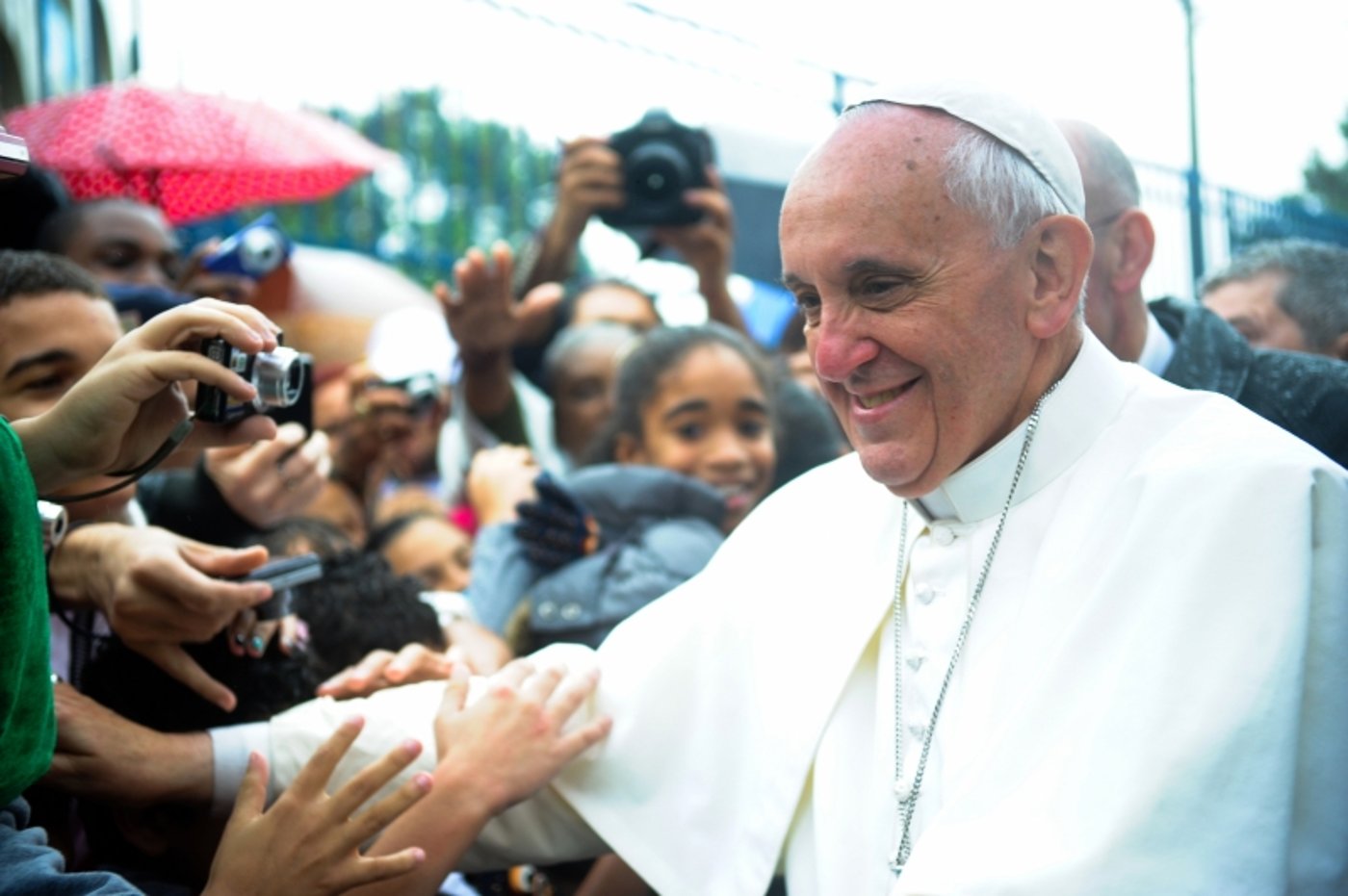
Pope Francis encourages us to consider, instead of fasting from meat during Lent, embracing 15 simple acts of charity.
Always greet others with a cheerful "hello" and express gratitude by saying "thank you," even when you feel it's unnecessary. Remind those around you how much you love them and greet the people you see every day with joy. Listen to their stories without prejudice and with love. Take the time to stop and help those in need, being attentive to their struggles. Lift someone's spirits by celebrating their qualities and successes.
If you have items you don't use, consider giving them to someone who needs them. Offer assistance to allow others to rest. Correct others with love instead of keeping silent out of fear. Show kindness through thoughtful gestures to those close to you, and keep your living space clean. Help others overcome obstacles, and if you're lucky enough to have your parents, make it a point to call them.
Practice fasting from hurtful words and choose to spread kindness instead. Fast from feelings of discontent and fill yourself with gratitude. Let go of anger, replacing it with meekness and patience. Avoid pessimism, and embrace hope and optimism. Set aside worries and fill yourself with trust in God. Refrain from complaining, and appreciate the simple things in life. Take a break from the pressure and turn to prayer. Move away from sadness and bitterness, and invite joy into your heart.
Practice fasting from selfishness and cultivate compassion for others. Let go of grudges and embrace a mindset of reconciliation. Make an effort to listen to those around you, allowing silence to enhance conversations instead of filling them with your own words.
The Pope concludes with a powerful reminder that by embracing this lifestyle, our daily lives can be filled with peace, trust, joy, and fulfilment. As we endeavour to embody the Pope’s guidance for the Lenten season and fasting, let us keep Pope Francis in our prayers, praying for his swift recovery. May God's will be done.
We stand firm as ‘Pilgrims of Hope,’ blessed and fruitful Lenten week.
Fr. Erick Balderas Vega M.Afr and Fr. Henry Byamukama M.Afr
OUR LADY OF LIGHT PARISH- LENTEN MESSAGE, 2025
‘Blessed is the person who trusts in the Lord, whose hope is in the Lord’ [Jeremiah 17:7]
Dear Brothers and sisters,
Our human journey is often shrouded in darkness, and we continuously need God’s light to guide us, lest we go astray. The Word of God serves as a lamp for our feet and a light for our path (Psalm 119:105), inviting us to meditate on it prayerfully and resolutely. One of the prayers from the Lenten prefaces reminds us: "Each year, you give us this joyful season to prepare our minds and hearts to celebrate the paschal mystery with renewed vigour."
This year's Lent presents a special opportunity within this Jubilee year to reflect on the troubling experiences facing our country and the world. We must confront the challenges of living our faith as Christians today, engaging with reality through the lens of hope, alongside the rest of humanity as pilgrims of faith, rooted in the resurrection of our Lord Jesus Christ.
We are called to be beacons of light in the darkness, voices for justice in the face of inequality, and instruments of peace amid conflict. We are called to hope—not despite our struggles, but because of them.
As a family of Our Lady of Light, guided by the theme “Strengthened by our hope in Christ, we commit ourselves to our community, celebrating and serving our seniors, guiding and empowering our youth,” this Lenten season presents an opportunity to refocus our attention on these principles. It is a time to recommit, reevaluate, and renew our commitment to Christ and one another.
We have organized our activities around the family, the greatest unity of the body of Christ and a model of our Trinitarian God! Our faith formation journey for our children is aligned with this vision, which is why we are planning pastoral home visits by our priests and deacons. Through shared scripture, prayer, sacraments for the sick, and blessings of your homes, we hope to enhance our faith journey together as pilgrims of hope.
The Lenten family project, family prayer, and children’s offerings to the Lord aim to tap into the generosity and innocence of children—qualities for which Christ praised them. He emphasized the importance of nurturing their growth in faith and warned against hindering it (Mark 9:42). We invite everyone to participate more fully in strengthening our relationship with God and deepening the love shared within our family of Our Lady of Light.
God’s word calls us to many different actions: to pray, to fast, and to give alms; to forgive as we are forgiven; to bear one another’s burdens; to welcome the stranger; to shelter the homeless; to clothe the naked; to rejoice in the Lord always; and to bear lasting fruit. To respond to these calls, we must turn away from sin, seek repentance, and trust that God’s Spirit will guide us on the road to peace.
We invite you to participate actively in the planned Lenten activities: the daily family prayer and project, the spiritual talks and adoration on Thursdays, the prayer of the Way of the Cross on Fridays, the Eucharist, and the chance to meet the Lord of mercy in the Sacrament of Penance.
Lent calls us to focus on our spiritual lives as we prepare to celebrate our life in Christ more fully, intimately, and authentically. The Easter mysteries provide the light we need in this dark world. In the shadow of the cross and the light of the resurrection, we come to understand our true identity and the meaning of life. We do not travel alone; we are pilgrims of hope, journeying with all of God’s people, following Jesus—who is the Way, the truth, and the life [John 14:6].
Dear Our Lady of Light family, let us embark on the pilgrimage of conversion, turning away from the sins that separate us from God and each other. Let us turn towards the love and mercy of Jesus Christ, who died and rose again for our salvation. Together, let us walk as pilgrims of hope towards the Easter dawn when we will celebrate the triumph of life over death.
May this Lenten season be a time of renewal, conversion, and hope for all of us. May we emerge from these 40 days as pilgrims ready to face the challenges of our world with faith, courage, and love. We pray for a hope that does not disappoint, a hope that sustains us on our journey towards eternal life.
A blessed and fruitful Lenten Season to each one of you.
Your servants;
Fr. Erick Balderas Vega M. Afr and Fr. Henry Byamukama M. Afr
THE KINGDOM IS NEITHER FOR THE RICH NOR THE POOR
LUKE 6:17, 20-26
Jesus’s message for the sixth Sunday of Ordinary Time focuses on the Beatitudes: “Blessed are you who are poor… But woe to you who are rich.” These words are directed toward us as believers and followers of Christ and His message of the Kingdom of God. As followers of Christ, should we find our security in what we own, or should we seek it in a community where everyone supports one another, ensuring that all are cared for?
A Matter of the Kingdom
To understand Jesus’ words, we need to realize that He speaks about the Kingdom of God. The Kingdom is the society that Jesus wants to create, and it’s not just for the future. When Jesus began His public life, He announced His mission in the synagogue at Nazareth:
“The Spirit of the Lord is upon me because he has anointed me to bring good news to the poor. He has sent me to proclaim release to the captives, recovery of sight to the blind, to set free those who are oppressed, and to proclaim the year of the Lord’s favor.” (Luke 4:18-19)
In the Kingdom, the poor and hungry receive good news because they join a community that will protect and care for them.
To grasp the message of the Beatitudes, we must recognize the theme of God’s unwavering compassion and love that permeates Luke’s Gospel. This theme focuses on the poor, the dispossessed, the overlooked, the captives, and the despised—even those who may have contributed to their unfortunate circumstances. Luke presents a list of beatitudes and woes to emphasize how those who are poor, neglected, and deprived are often better positioned to understand the new world order that God has sent Jesus to establish. The woes Jesus describes illustrate how wealthy individuals can become so consumed by their good fortune that they fail to notice the suffering of the poor and dispossessed living alongside them. Such individuals may be blind to the Kingdom of God and the new way of living as they overlook those regarded as second-rate.
This concept is effectively illustrated by a parable from the Orient, recounted by writer Jay Cormier: A bird of prey was searching a frozen landscape for food. On a large ice floe in a river, the bird spotted the remains of a deer left behind by hunters. It swooped down and began to gorge itself on its prize, becoming so engrossed in eating that it ignored the sound of rushing water nearby. Before long, the ice floe drifted to the edge of a large waterfall, and the bird was about to topple over. Although the bird flapped its wings to escape, its claws had frozen to the icy remains of the deer, leaving it trapped and powerless to break free.
We can become so consumed by the markers of success promoted by our society that we lose sight of ourselves in the pursuit of these ideals.
In the Kingdom, We Have No Rich or Poor
In the Kingdom, there is no room for either the rich or the poor. Being rich signifies having more than one’s needs, compelling one to share with those who are in need. Conversely, being poor reflects a lack of essential resources, such as food, clothing, shelter, and even human dignity. In this vision of the Kingdom, wealth and poverty cannot coexist because those who have abundance will generously uplift those who do not have enough.
This transcends mere charity; it’s a call for justice, ensuring that each person receives what is rightfully theirs. Charity involves giving what we can easily spare, while justice demands that we share what we possess. It goes beyond pity for the less fortunate; it’s about acknowledging them as our true brothers and sisters and standing in solidarity with them.
Ultimately, our focus should not dwell solely on wealth or poverty but rather on the foundations of our security. This vision encapsulates the ideal of the Kingdom and the mission of the Church, urging every disciple of Jesus to act. If we embrace this principle, we can all experience the joy of the Kingdom—not just in a distant future, but right here and right now, in our world and society.
The truth is, we have a journey ahead to bring that Kingdom to life. May the blessings of the jubilee year inspire us, as pilgrims of hope, to create a new community that embodies the values of the Kingdom.
Fr. Henry Byamukama M.Afr
A BLESSED JUBILEE YEAR 2025, FAREWELL 2024
Dear beloved brothers and sisters in Christ,
As we welcome the dawn of a new year, we take a moment to express our heartfelt gratitude to our loving God for the blessings and graces received in 2024. This past year has brought immense joy to our parish as we celebrated the Centenary of St. Catherine of Siena. We witnessed growth in various societies and associations, both at individual levels and as the entire family of God, Our Lady of Light.
Though we faced many challenges along the way, these obstacles provided us with opportunities to reflect deeply and trust in God’s love and guidance. Through it all, we have felt His presence, guiding and sustaining us.
With faith, we look back on the year, counting our blessings and recognizing the countless ways God has blessed our parish community. He has accomplished great things in us and through us through the sacraments we celebrated, the prayers answered, and the lives transformed by the power of the Gospel and grace. While some of these blessings may not have been immediately evident, we give thanks to God for each of you and your families for your faithfulness, dedication, spirit of volunteering, and generous service to God’s mission.
As we embark on the new year of 2025, we are filled with hope and anticipation for the Jubilee Year, embracing our role as Pilgrims of Hope! This is a time for celebration, reflection, and renewal—a chance to rediscover the richness of our faith, rejuvenate our spiritual lives, and reach out to those in need. We hope to journey together as a family, with a particular focus on serving our seniors while guiding and empowering the youth in our community. We trust in the Lord to lead us with generosity, wisdom, and full dedication.
We hope that this Jubilee Year will provide us with numerous opportunities to grow in our faith and deepen our relationships with God and one another as children of the Our Lady of Light family. We invite everyone to remain open to the work and guidance of the Lord’s Spirit in our daily lives. We aspire to use all our programs, meetings, liturgies, retreats, and devotions as avenues for experiencing the mercy and love of God.
As Julia Fahrenbacher suggests, we can find a ‘cure’ for all in day-to-day living.
Go gently today, don’t hurry or think about the next thing. Walk with the quiet trees, can you believe how brave they are…how kind? Model your life like theirs.
Blow kisses at yourself in the mirror. Especially when you are messed up, forgive yourself for not meeting your reasonable expectations.
Praise fresh air, clean water, good dogs. Spin something from Joy. Open a window even if it is cold outside. Sit, close your eyes, breathe, and Allow the river of it all to pulse through your eyelashes, fingertips, and bare toes.
Breathe in, breathe out until you feel your bigness. Until the sun shines in your veins. Breathe until you stop needing anything to be different.
May this Jubilee year be a time of blessing and growth for our parish community. May we be filled with the joy, hope, and love that come from knowing and serving our Lord. On behalf of the entire staff of Our Lady of Light, along with the deacons, we wish you all a happy, holy, and peaceful new year. May God bless us abundantly in 2025!
With gratitude and blessings,
Your servants
Fr Erick Vega M.Afr and Fr. Henry Byamukama M.Afr